
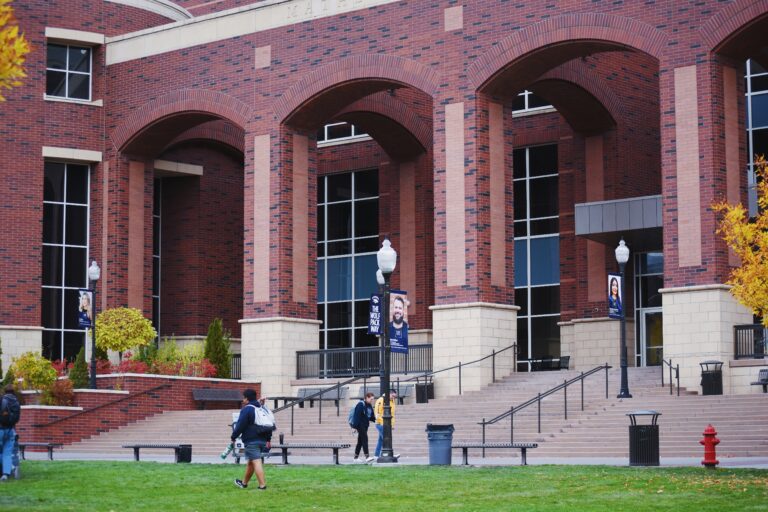
How Student Esports in Higher Education Are Redefining Campus Life
In recent years, student esports in higher education have shifted from informal gaming gatherings into full-blown programs that are reshaping how students engage, connect, and develop on campus. By bringing together competition, creativity, collaboration and community, student esports are redefining campus life in ways that both students and institutions are beginning to appreciate. This article explores how student esports in higher education contribute to belonging, leadership, inclusiveness, campus identity, and career pathways — and also examines some of the challenges institutions face.
1. Creating a Sense of Belonging Beyond the Classroom
One of the most powerful ways that student esports in higher education are transforming campus life is by providing students with a sense of belonging and connection beyond their academic disciplines. In many institutions, students feel disconnected from the campus community: they may attend classes, but without a meaningful extracurricular anchor their sense of belonging can suffer. Student esports create a central point for connection.
Through esports clubs and teams, students who share a passion for gaming — regardless of their major, year or background — can meet, socialise, and form friendships. The heart of student esports in higher education is the shared excitement of competition and teamwork. Whether students are playing casual matches, practising for inter-collegiate tournaments, or organising live streams on campus, the act of joining a team gives them a tangible community. According to research, increased campus belonging correlates with improved academic retention and engagement.
For example, a student who might not otherwise join a sports team or a club focused on their major could find in esports a welcoming environment. The fact that student esports in higher education often cross majors means that an engineering student might team up with an art student, a business major might coach a shout-caster team, and all can bond through their shared activity. In this way, esports become a locus of student life, and help institutions build a more inclusive and vibrant campus culture.
2. Developing Leadership and Teamwork Skills
Beyond the social dimension, student esports in higher education offer substantive opportunities for personal development — especially in leadership, teamwork, communication, and time-management. Competitive gaming demands that players coordinate closely, interact in real-time, adapt strategies under pressure, and fulfill roles in teams. A report by EDUCAUSE found that “students who participate in esports… gained valuable skills such as teamwork, communication, critical thinking,… and self-esteem and leadership.”
In the world of student esports in higher education, the team captain or shot-caller is as important as the star player. Students managing tournament logistics, broadcasting events, liaising with sponsors, or designing team branding all learn real-world transferable skills. The act of managing a campus tournament becomes a practical exercise in project management and organisational leadership.
Moreover, because many programs tie team participation to academic performance and deadlines, participants must juggle their academics, practice sessions, social commitments and team responsibilities. That pressure to balance multiple priorities fosters time-management skills. For many students, being part of esports in higher education becomes a formative experience—in effect, preparing them for collaborative workplaces and leadership roles beyond campus.
3. Promoting Collaboration and Inclusiveness Across Campus
Another major impact of student esports in higher education lies in its capacity to transcend traditional demographic and disciplinary boundaries. Unlike many traditional sports that may cater to specific physical abilities or athletic backgrounds, esports is broadly accessible. Many universities highlight the fact that student esports in higher education can attract students “regardless of physical fitness, gender, age and socio-economic background.”
This inclusive nature means that students from diverse majors (computer science, media, business, arts, liberal studies) can work together in gaming teams or event-management roles. It also creates opportunities for international students, students with physical disabilities, introverted or neurodiverse students—groups which might feel marginalised in other campus activities—to engage meaningfully in campus life.
In effect, student esports in higher education help build an ecosystem of collaboration: graphic-design students may create team branding, business students may handle sponsorship, IT students may manage the hardware and network, while gamers focus on practice and performance. This collaboration mirrors real industry structures and helps students build cross-functional skills. Further, the inclusive nature of esports fosters creativity and diversity of thought, strengthening the campus community.
4. Enhancing Campus Identity and School Spirit
As esports have matured, many institutions have realised that student esports in higher education play a unique role in enhancing campus identity and school spirit. Just as traditional sports rally students, alumni and fans around mascots and game day excitement, esports create a modern parallel. Universities are creating dedicated esports arenas, launching varsity-style teams, live streaming matches and building branding around gaming.
This phenomenon helps create a distinctive culture for a new generation of students, more comfortable with digital media and competitive gaming. A vibrant esports program can position a university as forward-looking and innovative — both in the eyes of prospective students and within the broader community. For example, institutes in India are using campus esports to tap into youth culture and engage students across towns and regions.
Moreover, tournaments and viewing parties build communal events where spectators as well as players come together. This sense of communal engagement — cheers, team branding, live-stream commentaries — strengthens school spirit and contributes to a sense of shared institutional identity.
5. Opening Career Pathways and Industry Connections
Perhaps one of the most compelling aspects of student esports in higher education is how they open career pathways for students—both within gaming and far beyond it. The global esports industry is growing rapidly, encompassing event management, streaming, game development, analytics, marketing, and more.
By participating in esports programs, students gain exposure to roles such as shout-caster, event organiser, social-media manager, stream technician or team coach. Institutions are increasingly acknowledging that esports is not just entertainment but a strategic platform to train students for future careers. One article noted that “universities are preparing students for careers in popular fields such as game design, esports management, and digital media” through esports programs.
Scholarships further enhance the value proposition, allowing students to pursue higher education thanks to their gaming skills. For many universities, student esports in higher education become recruitment and retention tools — helping attract students and giving them incentives to persist and excel.
In this way, campus esports become not merely recreational, but strategic: they align student passion with institutional mission and workforce trends. Students who might otherwise disengage can find a meaningful pathway into education, skill development and ultimately the workplace.
6. Addressing Potential Risks and Challenges
While the benefits of student esports in higher education are significant, institutions and students must also be aware of potential downsides and challenges. Gaming — when not properly balanced — can lead to issues such as excessive screen time, sleep deprivation, and social isolation. A study found that some students engaged in competitive gaming experienced less sleep and lower levels of physical activity.
Institutions must therefore ensure that esports programs are integrated responsibly, with adequate support structures: coaches, academic advisers, health and wellness services, time-management training and awareness of gaming addiction. Proper infrastructure and resources are also key: high-end hardware, reliable networks, dedicated spaces, and maintenance.
Another challenge is ensuring academic alignment. Some stakeholders may question whether esports programs distract from learning or core academic missions. The solution lies in embedding esports into student-engagement strategy, academic programmes, and co-curricular experiences — rather than treating them as purely recreational. With thoughtful design, student esports in higher education can drive academic engagement rather than detract from it.
Finally, cost and sustainability can be concerns: dedicated arenas, equipment upgrades, staffing and event logistics all require investment. Schools must weigh returns — in student engagement, retention, institutional branding, and student outcomes — against the resources required.
7. Best Practices for Institutions Implementing Esports
For institutions looking to leverage the power of student esports in higher education, several best practices emerge:
Create inclusive access: Ensure students from all majors, backgrounds and skill levels are welcome. Esports should not be exclusive to high-ranking players only. This inclusiveness strengthens the campus community.
Tie to student development outcomes: Frame esports as not just competition, but as an arena for teamwork, leadership, digital literacy and professional preparation.
Provide proper infrastructure: Invest in quality hardware, network infrastructure, dedicated spaces, streaming and event-hosting capabilities to deliver a robust experience.
Integrate into marketing & student-life strategy: Use esports as a recruitment and retention tool — position the program within campus branding, orientation, student-activities promotion and alumni engagement.
Balance wellness and academics: Monitor student schedules, provide support for time-management, health, and maintain academic standards for participants.
Develop pathways and tie to careers: Offer workshops, courses, or collaborations with industry in game design, streaming, analytics and event production so that students see real career bridges through esports.
Measure impact: Track metrics like student participation, retention, GPA improvements, event attendance and branding impact to assess return and refine the program.
8. The Future of Student Esports in Higher Education
Looking ahead, the role of student esports in higher education is poised to grow even further. As gaming technology advances (e.g., AR/VR, cloud streaming, mobile esports), campuses that embrace these shifts will better engage the next generation of students.
In addition, the global reach of esports means that campuses can connect locally and internationally — hosting tournaments, streaming globally, attracting international students and forging brand partnerships. The synergy between esports and academic disciplines (STEM, media, business) will deepen. With proper alignment, student esports will become integral to the modern campus experience.
Furthermore, as student expectations evolve, campuses that integrate esports into learning, social interaction and career development will likely gain a competitive edge in recruitment and student satisfaction. The campus of the future will include not just lecture halls and sports fields, but esports arenas, streaming studios and media labs — reflecting the ecosystem of modern engagement.
Conclusion
In summary, student esports in higher education are far more than recreational gaming. They are powerful catalysts for building community, fostering belonging, nurturing leadership and teamwork, enhancing campus identity, and opening career pathways. While challenges exist — from infrastructure requirements to balancing academics and wellness — the potential is significant.
Institutions that recognise this shift and strategically incorporate esports into their campus-life, student development and branding frameworks will find that student gaming becomes a profound tool for engagement and transformation.
For students, joining an esports program means more than playing games—it means becoming part of a community, learning valuable skills, and positioning for a future beyond the campus. For campuses, it means tapping into a vibrant, inclusive, and evolving domain that reflects the interests and aspirations of the digital generation.
When you consider all these dimensions, it becomes clear that student esports in higher education are not just redefining campus life — they’re shaping the future of how students connect, learn, and develop together.
Refrences
“How Esports Can Improve Students’ Personal and Academic Growth” — Digital Promise.
Link: https://digitalpromise.org/2025/02/18/how-esports-can-improve-students-personal-and-academic-growth/?utm_source=chatgpt.com“The Educational and Academic Benefits of Esports” — U.S. Academic Esports Association.
Link: https://www.usacademicesports.com/post/the-educational-benefits-of-esports?utm_source=chatgpt.com“Examining the Impact of School Esports Program Participation on Self-Regulation, Growth Mindset, Positive Youth Development” — Peer-reviewed study.
Link: https://pmc.ncbi.nlm.nih.gov/articles/PMC8820392/?utm_source=chatgpt.com“Esports in Higher Education: Prepare Your Institution” — United Educators.
Link: https://www.ue.org/risk-management/athletics/esports-in-higher-education-prepare-your-institution/
FAQs: Student Esports in Higher Education
1. What are student esports in higher education?
Student esports in higher education refer to organized gaming programs, tournaments, and communities within colleges or universities. These initiatives combine competition, teamwork, and technology to help students connect, learn, and grow through gaming while representing their institutions.
2. How do student esports in higher education benefit students?
They offer numerous benefits such as improving teamwork, leadership, time management, and communication skills. Students also gain opportunities to explore careers in gaming, broadcasting, event management, and digital marketing — making esports both fun and educational.
3. Are esports officially recognized by universities?
Yes, many universities around the world now officially recognize student esports in higher education as legitimate extracurricular or even varsity programs. Some even offer scholarships and academic credits for participation, acknowledging esports as a valuable student engagement tool.
4. Can student esports improve academic performance?
Surprisingly, yes. Studies show that students engaged in structured esports programs often demonstrate better focus, problem-solving, and critical-thinking skills. The discipline required in gaming — such as strategy and coordination — can translate into improved academic habits.
5. Are esports inclusive and open to everyone?
Absolutely. One of the strongest advantages of student esports in higher education is inclusivity. Unlike traditional sports, esports welcome students of all genders, physical abilities, and cultural backgrounds. This diversity helps create a more connected and accepting campus environment.
6. What types of careers can esports prepare students for?
Esports open up many career paths, including game design, live streaming, data analytics, event coordination, social media management, and marketing. Many universities partner with professional esports organizations to help students gain real-world experience in these industries.
7. Do esports promote teamwork and leadership?
Yes, teamwork is at the heart of esports. Players must coordinate strategies, make quick decisions, and rely on one another to succeed. In this way, student esports in higher education teach leadership, communication, and collaboration — all essential skills for future careers.
8. Are there challenges or drawbacks to esports in education?
Like any activity, esports can present challenges. Excessive gaming time or poor balance between play and study may affect performance. That’s why universities implementing student esports in higher education emphasize moderation, wellness programs, and academic monitoring.
9. How are colleges supporting esports programs?
Colleges now invest in gaming arenas, high-performance PCs, and professional coaching. They also host intercollegiate tournaments, offer scholarships, and integrate esports into academic departments such as business, media, or computer science — turning gaming into a learning opportunity.
10. What is the future of student esports in higher education?
The future looks bright. As gaming becomes more mainstream, student esports in higher education will continue to grow — integrating with career development, digital literacy, and global networking. Esports are not just a hobby anymore; they are shaping how the next generation of students learn, connect, and innovate.
Penned by Ridham
Edited by Disha Thakral, Research Analyst
For any feedback mail us at [email protected]
Transform Your Brand's Engagement with India's Youth
Drive massive brand engagement with 10 million+ college students across 3,000+ premier institutions, both online and offline. EvePaper is India’s leading youth marketing consultancy, connecting brands with the next generation of consumers through innovative, engagement-driven campaigns. Know More.
Mail us at [email protected]