
Topic: Adaptive Educational Gaming Platforms
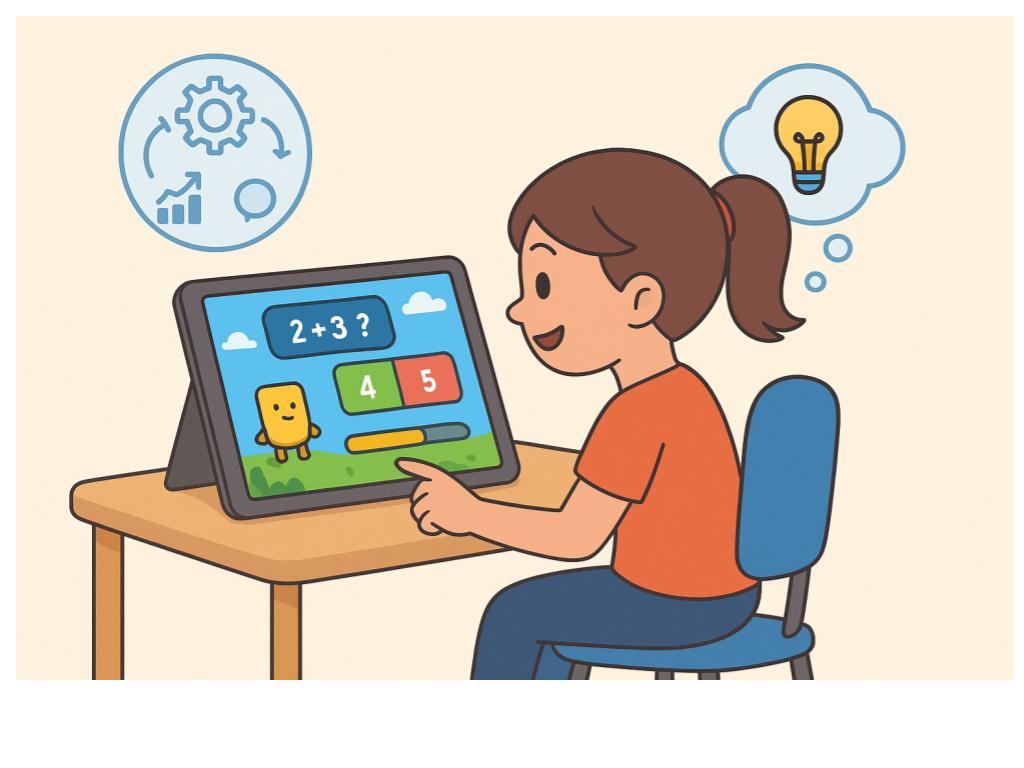
Learning today is not only about books and notes. Children find joy when they learn through games that adjust to their skills. It feels fun to solve puzzles while learning at the same time. In this modern digital era, such methods align perfectly with technology. Adaptive educational gaming and gamified differentiated approaches make lessons interactive and exciting. It also works as a form of practical learning. This is far more engaging than rote memorisation.
Such systems ask a question. How can learning feel like a game and still teach something real? The answer lies in offering dynamic challenges that match one’s ability while guiding toward next steps. That spirit is what makes adaptive educational gaming so unique.
2 Impactful Things You Must Know about Bringing Adaptive Learning to Classrooms
Personalised Play in the Classroom
Adaptive learning platforms adjust lessons in real time based on how a student performs. These tools use data to offer new content or give extra help. That way, each learner gets exactly what they need. EdTech Impact shows that adaptive platforms can use real-time adjustments in lesson pace and difficulty to support each student’s journey and boost engagement.
These platforms hold a promise for gamified differentiated instruction. They turn standard lessons into play where each child moves forward at their own speed. AI-powered tools are a good example that react to answers and keep learners motivated. This creates a mix of fun and focus where curiosity grows.
“Educational games can provide an intrinsically motivating environment reinforced with a personalised learning experience.” — Nikos Kickmeier-Rust
Popular Adaptive Educational Gaming Platforms
Kahoot!
Kahoot! is widely known for classroom quizzes. It lets teachers design questions that students answer in real time. It keeps learners active with music timers and bright visuals. Students see instant feedback, which helps them understand better without pressure.
Minecraft Education Edition
Minecraft Education Edition lets children explore lessons inside a block-based world. Teachers can set projects that connect with science, history and maths. Learners build objects or solve challenges inside the game. It brings creative play together with structured education.
ELEKTRA Project
ELEKTRA is a research-based platform that combines strong game design with curriculum goals. It focuses on helping learners engage deeply while still following school requirements. The platform adapts tasks to the player’s progress to keep the game challenging but not overwhelming.
ALIGN Model
The ALIGN model stands for Adaptive Learning In Games through Non-invasion. It tracks many skills in the background without breaking play. Learners stay immersed while the system adjusts the next task. It gives a smooth and responsive gaming experience.
Conclusion
Games can easily adapt without breaking the fun. Adaptive educational gaming changes to suit each learner while keeping the adventure intact. That means the system sees what the player knows and adjusts tasks without stopping the flow of play.
The benefits are clear. Students feel shown what they need, not pushed into uniform tasks. Teachers find more time to help as systems handle personalised pace and feedback. Games keep attention and curiosity alive. These gamified differentiated tools offer fair learning and let each student shine at their own speed.
References
[1] “Adaptive Learning,” EdTech Impact. [Online]. Available: https://edtechimpact.com/categories/adaptive-learning/
[2] “Artificial Intelligence in Education,” University of San Diego. [Online]. Available: https://onlinedegrees.sandiego.edu/artificial-intelligence-education/
[3] N. Kickmeier-Rust, D. Albert, and C. Conati, “Adaptive Educational Games: Providing Non-invasive Personalized Learning Experiences,” ResearchGate, 2007. [Online]. Available: https://www.researchgate.net/publication/224357824_Adaptive_Educational_Games_Providing_Non-invasive_Personalised_Learning_Experiences
FAQ on Adaptive Educational Gaming Platforms
1. What are adaptive educational gaming platforms?
Adaptive educational gaming platforms are digital tools that adjust lessons in real time, using game-based methods to personalize learning for each student.
2. How do adaptive educational gaming platforms work?
These platforms track student responses, analyze progress, and modify tasks so learners face challenges at the right level.
3. Why are adaptive educational gaming platforms important for classrooms?
They combine fun with focus, making lessons more engaging while helping teachers manage personalized learning for diverse students.
4. What role does AI play in adaptive educational gaming platforms?
AI in adaptive educational gaming platforms powers real-time adjustments, ensuring students get the right content, pace, and support.
5. Which adaptive educational gaming platforms are popular today?
Examples include Kahoot!, Minecraft Education Edition, the ELEKTRA Project, and the ALIGN model, each offering unique features.
6. Can adaptive educational gaming platforms improve student motivation?
Yes. They use challenges, feedback, and rewards to keep learners engaged, which helps maintain motivation and focus.
7. How do teachers benefit from adaptive educational gaming platforms?
Teachers save time as platforms automate pace adjustments, allowing them to focus on guidance and one-on-one support.
8. Do adaptive educational gaming platforms support different subjects?
Yes. From science to history and math, adaptive educational gaming platforms can be customized for multiple disciplines.
9. What makes adaptive educational gaming platforms different from normal games?
Unlike regular games, these platforms align with curriculum goals and adjust difficulty based on learner progress.
10. Are adaptive educational gaming platforms suitable for younger learners?
Absolutely. Their design allows them to adapt to varying levels, making them effective for children as well as older students.
11. What are the challenges of adaptive educational gaming platforms?
Challenges include cost, access to devices, and ensuring balance between gameplay and educational value.
12. How do adaptive educational gaming platforms support differentiated learning?
They offer gamified differentiated instruction by tailoring activities to each student’s strengths, weaknesses, and pace.
Penned by Priyanka Bhambhu
Edited by Shashank Khandelwal, Research Analyst
For any feedback mail us at [email protected]
Transform Your Brand's Engagement with India's Youth
Drive massive brand engagement with 10 million+ college students across 3,000+ premier institutions, both online and offline. EvePaper is India’s leading youth marketing consultancy, connecting brands with the next generation of consumers through innovative, engagement-driven campaigns. Know More.
Mail us at [email protected]