
Topic: College Sports
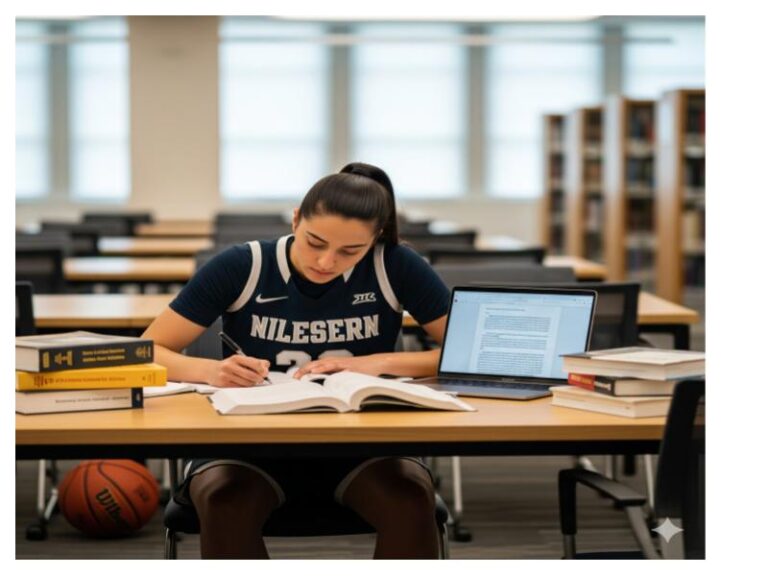
Campus sports used to be defined by old movie stereotypes. You know the one: the “dumb jock” who’s only in college to play, not to learn. That idea is lazy, outdated, and officially dead. Today’s college athletics are filled with a new generation of student-athletes who are not just players; they are entrepreneurs, activists, and top-tier academics. They are smashing those old clichés and proving that the conversation about diversity in sports is about more than just what’s on the surface—it’s about recognizing the whole, multi-talented person.
3 Stereotypes Being Smashed on Campus
Myth #1
Athletes Are Not Intelligent. This is the most insulting lie. The educational prerequisites to be qualified to play for a team, even initially, are merciless, which requires you to have greater-than-average grades just to be allowed to permit someone to watch you exercise your talent. Not only that, but a lot of our athletes are pursuing the most demanding courses we offer at our colleges, such as engineering, computer science, or pre-med. It must be pointed out that not only are they carrying a full load, but they’re doing it while balancing hours of practice, team meetings, and away games per week.
Myth #2
Serious Sports Are Just for Men. We can no longer deny the growing popularity and expansion of women in collegiate athletics. Women are no longer just playing sports such as cricket, basketball, and soccer; they’re growing in accomplishments as well. They’re attracting huge crowds, inked multi-million dollar deals (ESPN), and creating a fan base from their enormous social media followers. They’ve demonstrated to the globe that muscle, skill, and simple competitiveness aren’t a specific gender’s birthright, and are serving to bring up the next generation of girls to be listened to in sport.
Myth #3
Athletes Have No Other Interests. Modern-day athletes understand that they are more than just a jersey number and prove it. They are employing their platforms in rallying for justice or social justice on the side of reforms and movements, and beginning to rally for change advocacy; they are launching their own clothing lines, and podcasts based on the new NIL (Name, Image, Likeness) regulations; and lastly, they are employing social media in having their creative abilities actualized (in painting, musical passion). They’re avoiding being forced into a box and embracing their own individual brands that are being fit into several diverse interests and passions outside of sport.
3 Reasons Why This Shift is Taking Place Now
Social Media Gave Them a Voice
In the past, the perspectives of athletes were only portrayed to fans via sports journalists. Now, with the advent of platforms like Instagram, X (Twitter), and YouTube, athletes can communicate directly with their followers and the general public. They can take control of their narrative. They can demonstrate parts of their actual lives- the work they put in, the challenges they face while in school, and their silly and goofy personalities. It provides athletes the opportunity to present themselves as more than a highlight on a video of a game.
NIL Money Turned Them into CEOs
The change in the Name, Image, and Likeness (NIL) rule can only be described as a complete revolution. Now, college athletes can receive pay for endorsements, sponsorship recruitment, and their own businesses. This has made them entrepreneurs overnight. They are learning about contracts, marketing, financial sustainability, and brand management. This is all providing them real-life, on-the-ground business knowledge that completely obliterates the old-school analogy of amateurism.
A New Focus on Mental and Career Health
Colleges are now investing more money in the “student” part of their “student-athlete” experience. They are beginning to understand that their obligation to the student-athlete does not simply begin and end at the playing field.
Conclusion
The idea of a college athlete as a singular figure is officially behind us; the contemporary student-athlete is a multi-dimensional, driven, and inspirational individual, simultaneously proficient in many aspects of life. They’re adding a tone of richness and excitement to the campus sports culture. They are authentically breaking stereotypes, and in doing so, they’re illuminating that the true power of campus sports culture lies in diversity.
References
[1] Brown Daily Herald, “Athletes struggle against ‘dumb jock’ stereotype,” Brown Daily Herald, 2012. [Online]. Available:https://www.browndailyherald.com/article/2012/04/athletes-struggle-against-dumb-jock-stereotype
[2] ESPN, “What NIL in college sports means and how athlete deals work,” ESPN College Sports, 2024. [Online]. Available:https://www.espn.com/college-sports/story/_/id/41040485/what-nil-college-sports-how-do-athlete-deals-work
[3] Forbes, “College athletes and the NIL: A new marketing frontier,” Forbes, Aug. 30, 2024. [Online]. Available:https://www.forbes.com/sites/greatspeculations/2024/08/30/college-athletes–the-nil-a-new-marketing-frontier
FAQ
Q1. How are student-athletes breaking stereotypes in college sports today?
Modern athletes are excelling both on and off the field. They are pursuing rigorous academic majors, starting businesses, and leading social change, proving that success in college sports goes hand in hand with intelligence and creativity.
Q2. What is the “dumb jock” stereotype, and why is it outdated?
The “dumb jock” stereotype assumes athletes focus only on sports and neglect academics. In reality, college sports now demand academic excellence, discipline, and leadership, making this stereotype completely obsolete.
Q3. How has the NIL rule transformed college sports?
The Name, Image, and Likeness (NIL) rule allows college athletes to earn money through endorsements and personal ventures. This shift has turned many into entrepreneurs, teaching them brand management and financial literacy early in their careers.
Q4. Are women’s college sports gaining more recognition?
Absolutely. Women athletes are leading record-breaking teams, securing sponsorships, and growing massive audiences on social media. Their influence is reshaping the visibility and respect for women’s participation in college sports.
Q5. How do mental health initiatives support student-athletes?
Universities are investing more in wellness programs, counseling, and academic mentorship. These initiatives ensure that students in college sports maintain both mental balance and long-term career development.
Q6. What role does social media play in changing perceptions about athletes?
Social media gives athletes the ability to share authentic stories, showcase training routines, and highlight academic achievements. It helps humanize them and dismantle old stereotypes tied to college sports culture.
Q7. How are college athletes using their influence for activism?
Many are speaking up for social justice, gender equality, and mental health awareness. College sports now act as platforms where athletes advocate for real change and inspire younger generations.
Q8. What academic fields are popular among college athletes today?
Student-athletes increasingly pursue demanding fields like engineering, business, psychology, and pre-med. They are combining their physical discipline with analytical and creative thinking.
Q9. How do colleges support diversity within sports programs?
Most institutions promote inclusivity by offering scholarships, mentorship programs, and equitable opportunities across gender and cultural lines, ensuring that everyone can thrive in college sports.
Q10. What does the future of college sports look like?
The future is dynamic and inclusive. Expect to see more athlete entrepreneurs, digital creators, and advocates emerging from campus teams, transforming college sports into a space of innovation and empowerment.
Penned by Yug
Edited by Disha Thakral, Research Analyst
For any feedback mail us at [email protected]
Transform Your Brand's Engagement with India's Youth
Drive massive brand engagement with 10 million+ college students across 3,000+ premier institutions, both online and offline. EvePaper is India’s leading youth marketing consultancy, connecting brands with the next generation of consumers through innovative, engagement-driven campaigns. Know More.
Mail us at [email protected]