
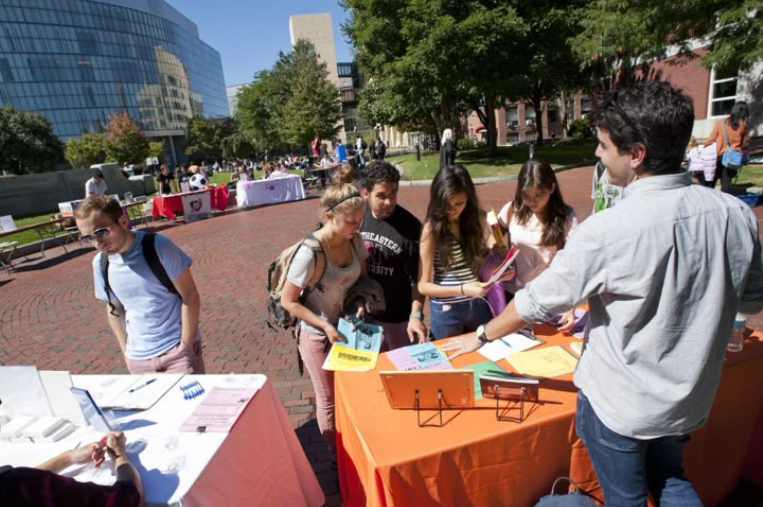
College life marks the beginning of a transition into new academic and life experiences. A very welcoming aspect of these experiences includes creating a unique culture of student volunteering.College student volunteering marks the beginning of a transition into new academic and life experiences.
This culture is driven by student clubs and initiatives that extend past donating for charity and contribute to an ongoing experience of advocacy where students act on their own initiative to coordinate donation drives, collaborate with NGOs, and lead projects that are beneficial for their campus impact and larger community.
This ecosystem of clubs—celebrations and talent showcases—engages students in more than just time filler; it develops well-rounded, community-oriented citizens. College Student Volunteering opens doors to unique campus experiences, skill development, and community impact through student-led clubs and initiatives.
A Range of Opportunities: Volunteering Models
This mode is fueled by variety, and students have limitless opportunities to donate some portion of their time and talents.
Skill-Based Volunteering
Students draw on their academic knowledge and education (engineering, marketing, etc.) to help and directly support nonprofits with real solutions to real problems.
Community Development: Meaningful work, such as building houses or mentoring or tutoring underserved children and students, has some level of direct and tangible impact on others.
Environmental Activism
Many on-campus clubs are engaged in sustainability, including clean-ups, as well as creating awareness campaigns.
Virtual Volunteering
This is an innovative and modern method that allows students to participate remotely in activities related to global causes by online mentoring, graphic design, etc.
These models serve societal and global needs, and the ultimate intended effect is that students acquire practical experience, benefitting from volunteering, so they can learn to be productive citizens and responsible professionals.
The Mutual Reward
Personal Development and Professional Competitiveness
Engaging in this volunteering culture turns out to be a positive experience that is transformative and has lasting benefits.
Direct Student Benefits
Skill Development
Through student volunteers, they gain practical and team management skills, but also develop valuable teamwork, leadership, and communication skills that reside beyond the classroom.
Career Exploration
Volunteering is a great way to understand and explore careers, build a built-in professional social network, and have meaningful experiences as examples for interviews and internships.
Improved Well-Being
When a person is contributing to something bigger than themselves, they feel intentional and motivated in their engagement, it reduces their stress, and it provides the person with confidence when they see the progress they have made.
Long-Term Benefits
Builds Character and Empathy
Volunteering, particularly with an underserved community, will increase awareness and understanding and widen world views; moreover, it will establish a sustainable lifetime ethic of service and social responsibility.
Develops a Strong Network
Friends, professors, and community leaders become a social support system for your job long after graduation.
Enhances Life Skills
Students learn how to manage different commitments, sharpen critical thinking skills, and become flexible in any career; the fact is, humans are on a continuous learning fringe based on changes in life and career.
Conclusion: Cultivating Intentional Futures
In conclusion, college clubs can serve as more than just extracurricular activities; they are indeed an effective accelerant of passion and purpose. By developing a diverse portfolio of volunteer opportunities, they provide students a low-stakes environment to practice, connect, and investigate their interests.
In doing so, exploration and engagement reason past wonders and interest into clear displays of commitment. In this way, student learning is an eventful engagement that cycles through community impact, practicing the initial steps of personal awareness, and creating a personal and professional self-identity based on empathy and action.
In the end, college clubs create a participatory infrastructure for future generations as they experiment with the things they enjoy while developing a critical lens for creating positive social change in the world.
References
[1] Berry college “ Serving With Purpose :Volunteering During Your College Years” ,2025. [Online].
Available: Serving with Purpose: Volunteering During Your College Years
[2] Wesson Ezell, ‘How Community Service University Clubs Transform Volunteer Opportunities on Campus’,Sparkmoor,2024. [Online].
Available: University Clubs & Student Organizations: Volunteer Opportunities Impacting Communities
FAQs :-
Q1. What is College Student Volunteering and why is it important?
College Student Volunteering provides students with opportunities to develop skills, contribute to communities, and grow personally and professionally.
Q2. How can I get involved in College Student Volunteering on campus?
You can join clubs, student initiatives, or organized projects that focus on community service and College Student Volunteering.
Q3. What are the benefits of College Student Volunteering for personal growth?
College Student Volunteering improves teamwork, leadership, communication, and critical thinking, all while fostering empathy and social responsibility.
Q4. Which skills can I develop through College Student Volunteering?
College Student Volunteering helps students enhance project management, mentoring, organizational, and problem-solving skills.
Q5. Can College Student Volunteering help with career opportunities?
Yes, College Student Volunteering builds a professional network, provides internship experience, and strengthens resumes for future jobs.
Q6. What types of College Student Volunteering exist?
College Student Volunteering includes skill-based volunteering, community development, environmental activism, and virtual volunteering opportunities.
Q7. How does College Student Volunteering impact the community?
Through College Student Volunteering, students organize donation drives, mentoring programs, and sustainability initiatives that positively impact society.
Q8. Is College Student Volunteering only for certain academic majors?
No, College Student Volunteering is open to all students, regardless of their major, because clubs offer diverse ways to contribute.
Q9. How much time should I dedicate to College Student Volunteering?
The time commitment for College Student Volunteering varies, but even small regular contributions can create meaningful impact.
Q10. Why is College Student Volunteering considered transformative?
College Student Volunteering transforms students by fostering empathy, leadership, and real-world skills, preparing them for future challenges.
Penned by Keshavi
Edited by Disha Thakral, Research Analyst
For any feedback mail us at [email protected]
Transform Your Brand's Engagement with India's Youth
Drive massive brand engagement with 10 million+ college students across 3,000+ premier institutions, both online and offline. EvePaper is India’s leading youth marketing consultancy, connecting brands with the next generation of consumers through innovative, engagement-driven campaigns. Know More.
Mail us at [email protected]