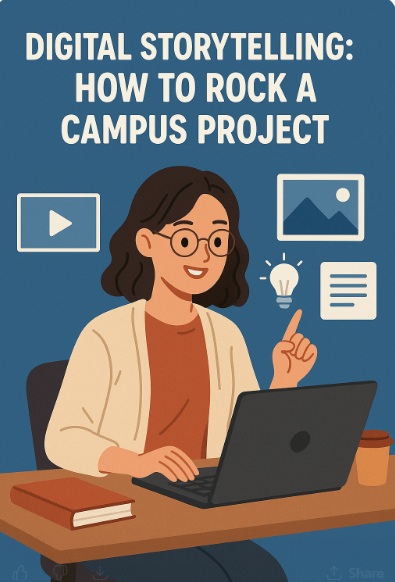
Digital storytelling is all about using stuff like pictures, sound, video, animation, and interactive stuff to make cool and stories that stick with people. Stories can turn boring stuff on campus into something folks actually care about.
When you’re doing projects, stories give you ideas, get people to join in, and get real student input. They help students, teachers, and everyone else feel connected and make learning way more interesting.
This hands-on thing gives students skills and info that jazzes up campus culture.
Here’s how to make a killer campus project with digital storytelling. It seriously helps because it makes information memorable by mixing pics, sounds, and text.
What’s the Point?
A good digital story knows what it’s trying to do. Ask yourself: What am I trying to say? What do I want people to get out of this?
A clear goal keeps your story on track, from what you say to how you say it.

Be Original:
A story’s power is in being your own. Use your own thoughts and what’s happened to you – a photo you snapped, a video clip, something from your diary.
Pick the Right Style:
How you tell your story is as important as the story itself. Short film? Podcast? Photo collection? E-book? Presentation? Pick what will grab folks.
What’s going to grab them? A cool video? A podcast that makes you tear up? Something interactive?
The right style makes your message stick. It gets through to people and doesn’t just tell a story, but builds a cool experience that helps make good things happen on campus.
Check It Out and Make It Better:
Once your digital story is out there, that’s not the end. See what people – classmates, teachers, or your audience – have to say. Listen to what they say and go use it! Good comments help you know what people liked and what they didn’t.
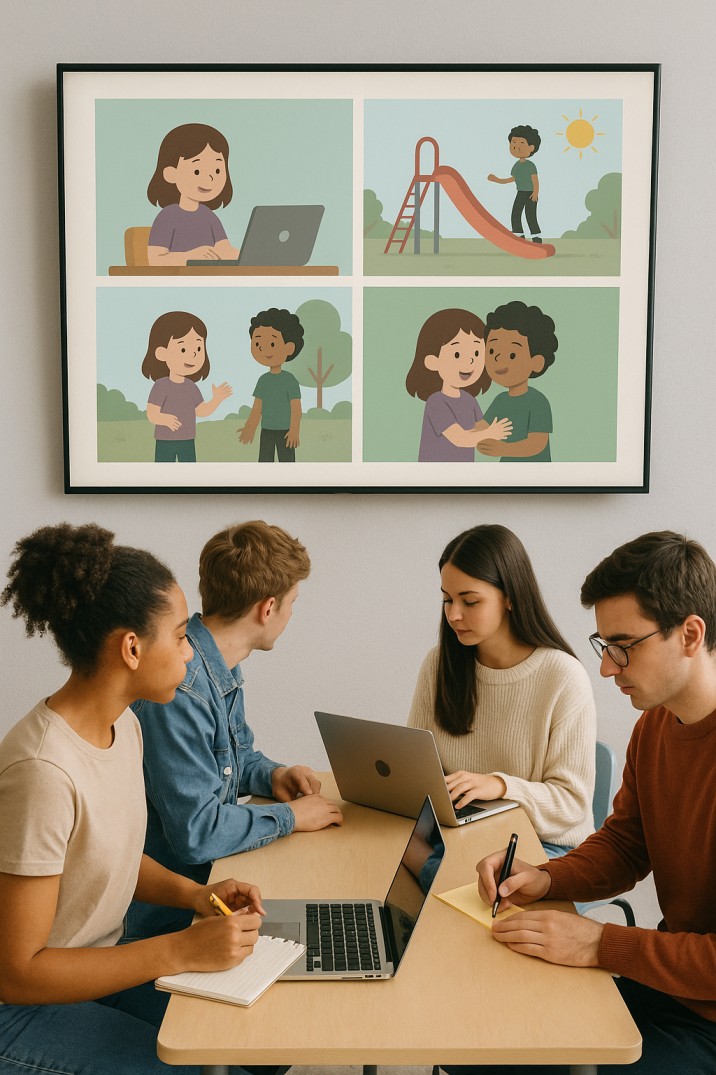
Looking at the comments and making is super crucial for getting good at digital storytelling and shaping a campus culture that’s more creative, connected, and gets things done.
Bottom Line:
The ‘art of digital storytelling’ is way more than just making stuff. It’s making a real with your audience, picking the right way to tell your story, and constantly getting better because of what people tell you. Every step is important. Knowing your audience helps you craft your message so it speaks to them. Picking the right medium makes your story interesting and easy to get to, and putting it out there so it gets beyond your friends means it reaches more people.
Plus, looking at your stuff after it’s out and doing something with the comments makes a storyteller good at talking to people. When you mix knowing your audience, picking a good style, reaching far, being new, and making things better, you’ve got a solid plan for campus digital storytelling. By doing this, you build a campus culture online that’s alive, active, and strong, where stories don’t just teach but get people going too.
FAQs: Digital Storytelling for Students
1. What is digital storytelling?
Digital storytelling is the art of combining multimedia elements like images, video, audio, text, and animation to tell a story. Unlike traditional storytelling, digital storytelling allows students to add visuals, background music, and interactive elements that make the story more engaging. It’s widely used in education to make lessons more memorable and interactive.
2. Why is digital storytelling important for students?
Digital storytelling helps students communicate ideas creatively. It encourages critical thinking, improves writing skills, and allows them to present projects in innovative ways. Instead of just writing an essay or report, students can create a short film, podcast, or presentation that connects with their audience on an emotional level. This not only makes learning fun but also prepares them for digital communication skills needed in real careers.
3. How does digital storytelling improve learning on campus?
When students use digital storytelling, they make content more relatable and engaging. For example, a history project can become a mini-documentary with images and voiceovers, while a science project can use animations to explain a concept. This mix of creativity and information keeps the audience’s attention and helps students retain knowledge for longer.
4. What are the main elements of digital storytelling?
Every good digital storytelling project includes:
A clear message or goal – knowing what story you want to tell.
Strong visuals – photos, illustrations, or video clips.
Audio – narration, music, or sound effects.
Structure – a beginning, middle, and end.
Personal touch – real experiences, perspectives, or emotions.
These elements come together to create an experience that’s both meaningful and memorable.
5. What tools can students use for digital storytelling?
Students don’t need expensive tools to start digital storytelling. Some popular free or affordable options include:
Canva – for presentations, posters, and videos.
iMovie / OpenShot – for video editing.
Audacity – for recording and editing podcasts.
StoryMapJS – for interactive stories.
Google Slides / PowerPoint – for simple multimedia projects.
These tools make it easy to combine text, visuals, and sound into one digital story.
6. Can digital storytelling help in group projects?
Yes! Digital storytelling is perfect for collaboration. One student can write the script, another can handle visuals, while others can edit audio or video. Working together on a storytelling project teaches teamwork, communication, and project management. Group projects also encourage brainstorming, which often results in more original and creative stories.
7. What makes digital storytelling different from traditional storytelling?
Traditional storytelling is usually limited to spoken or written words. Digital storytelling, on the other hand, integrates multimedia—like video, audio, and graphics—making the story more interactive. While traditional stories rely only on imagination, digital stories use technology to immerse the audience visually and emotionally.
8. How does digital storytelling build communication skills?
By practicing digital storytelling, students learn how to deliver a message clearly and effectively. They have to write scripts, record voiceovers, and structure content for different audiences. These skills directly improve communication in real life, whether it’s pitching ideas, giving presentations, or expressing personal stories.
9. What are some creative ideas for digital storytelling projects?
Students can experiment with many formats of digital storytelling:
A short film about campus life.
A podcast interviewing classmates or teachers.
A digital photo story of a cultural event.
An animated explainer video for a complex subject.
An e-book combining text and illustrations.
A social media campaign with mini-stories.
The key is to choose a format that matches both the story and the audience.
10. How does digital storytelling affect campus culture?
When students share stories through videos, podcasts, or online platforms, digital storytelling creates a sense of connection. It showcases diverse voices and experiences, helping build a stronger community. For example, student-led storytelling projects can highlight social issues, achievements, or campus traditions, making the culture more vibrant and inclusive.
11. Is digital storytelling useful outside the classroom?
Definitely. Skills learned through digital storytelling apply to real-world situations. For example, businesses use storytelling in marketing campaigns, NGOs use it for awareness drives, and individuals use it for personal branding. By practicing in college, students gain experience that will be valuable in professional careers.
12. What challenges do students face in digital storytelling?
Common challenges in digital storytelling include:
Lack of access to good tools or equipment.
Limited technical skills in editing or design.
Time constraints during busy semesters.
Difficulty in narrowing down ideas to one strong story.
The good news is that with free tools, tutorials, and teamwork, most of these challenges can be overcome.
13. How can teachers support digital storytelling?
Teachers can encourage digital storytelling by integrating it into assignments and offering guidance on tools. Instead of a traditional essay, teachers can allow students to submit a short video or photo story. Providing feedback on creativity, originality, and storytelling skills helps students refine their projects. Some teachers also organize campus showcases where students can present their stories to a wider audience.
14. What role does feedback play in digital storytelling?
Feedback is crucial in digital storytelling. Once a project is shared, listening to classmates’ or teachers’ opinions helps students understand what worked and what didn’t. Constructive feedback allows them to improve technical skills, refine their storytelling style, and make the next project even stronger. Storytelling is a cycle of creating, sharing, learning, and improving.
15. What is the future of digital storytelling in education?
The future of digital storytelling is bright because technology keeps evolving. With tools like virtual reality (VR), augmented reality (AR), and interactive apps, students will be able to create immersive storytelling experiences. As campuses become more digital, storytelling will move beyond classrooms—into online communities, global collaborations, and professional portfolios. It will remain a key skill for communication, creativity, and cultural connection.
Penned by Mehak Behl
Edited by Seema Acharya, Research Analyst
For any feedback mail us at [email protected]
Transform Your Brand's Engagement with India's Youth
Drive massive brand engagement with 10 million+ college students across 3,000+ premier institutions, both online and offline. EvePaper is India’s leading youth marketing consultancy, connecting brands with the next generation of consumers through innovative, engagement-driven campaigns. Know More.
Mail us at [email protected]