Introduction
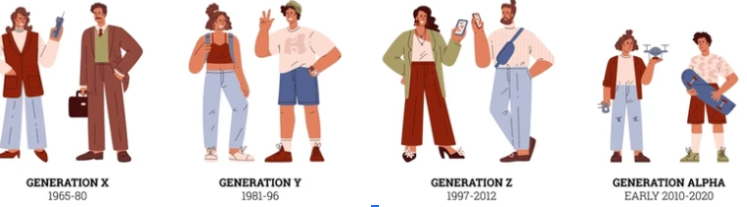
Nowadays, in the digital era, Gen Z education is changing the way we think about learning. The generation born between the late 1990s and early 2010s has grown up with technology. Also, new youth trends are shaping how people see education, career goals, and personal growth.
Gen Z education is moving more towards the use of Generative AI. Digital skills and tools are most important in the Gen Z era. It helps in learning in an interactive way, which is becoming quite easier for them to retain for the long-term. Their world mostly moves around the internet and the digital world.
Generation that is Born Digital
“Digital generation” is called Gen Z for a reason. For Gen Z, technology is not just a tool it is a part of daily life. They prefer visualising , videos, and interactive sessions instead of heavy textbooks.
Apps like Duolingo, YouTube channels have made learning fun and more exciting. Instead of learning, Gen Z wants to understand how things work and why they matter. They are more like exploring ideas by using digital tools to make learning more flexible.
Learning and the Purpose of Personalized
One of the biggest youth trends in education is Personalization. Gen Z students want the type of learning that fits their interests and career goals. They want choices in selecting subjects, online platforms, or doing internships that match their interest.
For Gen Z, learning is not just about marks or degrees. It is about finding their purpose. They want to connect with real-world problems and meaningful causes.
Hybrid and Experiential Learning
The COVID-19 pandemic changed the pattern of learning, and Gen Z quickly adapted. Online classes became normal, but students still needed interaction and teamwork. That is where hybrid learning, a mix of online and offline education, became popular.
AI, Technology and Future Skills
Technology is taking Gen Z education forward at an unprecedented pace. Artificial Intelligence (AI) tools are transforming traditional learning into a more intelligent and adaptive experience. In Gen Z education, AI not only tracks patterns in students’ learning habits but also identifies strengths, weaknesses, and preferred learning styles. By analyzing this data, AI can provide customized lessons, adaptive quizzes, and instant feedback, making education more efficient, personalized, and engaging. Beyond academics, AI-powered tools help Gen Z develop critical skills like problem-solving, creativity, and digital literacy. Virtual simulations, interactive apps, and smart tutoring platforms ensure that learning is no longer one-size-fits-all but tailored to each student’s pace and interests.
Creativity and Collaborations in the New Generation
Unlike past generations that learned everything individually, Gen Z depends on collaboration. They love group projects, online communities for better skills development. Platforms like Google Workspace, and Discord have become their new classrooms, places where they can share ideas, and build projects together.
Creativity is also a huge part of Gen Z education. Whether it is starting a YouTube channel, designing a brand, or launching a social campaign, Gen Z loves to express themselves.
Conclusion
In the digital era, Gen Z education is giving us the direction for the future of learning. This generation sees education as a lifelong journey, not just limited to classrooms. Because of youth trends, learning has become more flexible, personalized, and interactive. Traditional boundaries between subjects, classrooms, and even teachers are blurring, making way for a more holistic and dynamic learning experience. Gen Z students are exploring knowledge through digital platforms, AI-driven tools, collaborative projects, and real-world problem-solving, which ensures that learning is meaningful and relevant to their aspirations.
For understanding Gen Z, we must listen to their needs and embrace their innovative mindset. They value more choice, connection, and creativity. They are not just passive recipients of knowledge—they actively seek ways to apply it in practical, impactful ways. Gen Z education also emphasizes skills like critical thinking, emotional intelligence, adaptability, and digital literacy, preparing students not just for exams, but for a rapidly evolving world.
This is not just the future of education; it is the beginning of a smarter, more connected, and inclusive learning ecosystem. By integrating technology, fostering creativity, and encouraging collaboration, Gen Z education inspires students to become lifelong learners, innovators, and global citizens. It demonstrates that learning is not a destination but a journey—one that grows with curiosity, purpose, and meaningful engagement with the world. As this generation continues to lead, education will evolve into a system that is more adaptable, student-centered, and capable of preparing learners for the challenges and opportunities of tomorrow.
References
Research Gate, “GENERATION Z: EDUCATION IN THE WORLD OF DIGITIZATION FOR THE FUTURE OF ORGANIZATIONS,” Research Gate, March 2021. [Online].
Available: https://www.researchgate.net/publication/350426559_GENERATION_Z_EDUCATION_IN_THE_WORLD_OF_DIGITIZATION_FOR_THE_FUTURE_OF_ORGANIZATIONS
FAQs :-
1. What is Gen Z Education?
Gen Z Education is the modern approach to learning designed for students born between the late 1990s and early 2010s. This style of learning focuses on using digital tools, interactive content, and online resources. Students engage with multimedia and apps to understand concepts better and apply knowledge in practical ways rather than just memorizing facts.
2. How is technology shaping Gen Z Education?
Technology plays a major role in shaping the learning experience. Online platforms, interactive videos, and educational apps provide new ways for students to explore subjects at their own pace. Visual and hands-on tools make lessons more engaging and help learners adapt to digital classrooms efficiently.
3. Why is personalized learning important in Gen Z Education?
Personalized learning allows students to focus on topics that match their interests and career goals. By using adaptive lessons and data-driven insights, students can learn in a way that suits their individual pace and style. This approach encourages deeper understanding and helps learners connect with practical, real-world problems.
4. How did the pandemic impact Gen Z Education?
The COVID-19 pandemic accelerated hybrid learning models, combining online and in-person education. Students had to adapt to virtual classes while still collaborating with peers. This experience highlighted the importance of flexibility, digital literacy, and self-directed learning as key skills for the modern classroom.
5. What role does AI play in Gen Z Education?
AI tools support learning by tracking progress, identifying gaps, and offering customized lessons. They help students learn more efficiently by adapting content to individual needs. Beyond academics, AI also assists in building problem-solving and critical thinking skills through interactive simulations and adaptive practice exercises.
6. How does collaboration enhance Gen Z Education?
Collaboration is essential in modern learning environments. Students work together on group projects, participate in online communities, and share ideas using digital platforms. Collaborative learning encourages creativity, teamwork, and communication skills, making the educational experience more social and well-rounded.
7. What makes Gen Z Education different from traditional education?
This approach differs from traditional classrooms by emphasizing technology, flexibility, and creativity. Instead of rote memorization and standardized tests, students focus on understanding, skill-building, and applying knowledge in real-world contexts. Experiential learning and hybrid models are key aspects that set it apart.
8. How does Gen Z Education promote creativity?
Students are encouraged to express themselves through digital media, content creation, and entrepreneurial projects. Activities like designing campaigns, coding apps, or producing videos allow learners to explore innovative ideas, fostering self-expression and personal growth beyond academics.
9. What are the challenges in Gen Z Education?
Some challenges include digital distractions, screen fatigue, and unequal access to technology. Students also need guidance to stay disciplined in online learning environments, and educators require training to effectively use modern tools. Addressing these challenges ensures learning remains engaging and equitable.
10. What is the future of Gen Z Education?
The future will likely see fully integrated digital and AI-driven learning with global collaboration. Education will continue to focus on personalized, interactive, and practical learning experiences. By embracing flexibility, creativity, and new technologies, students will develop skills to thrive in an increasingly interconnected and fast-paced world.
Penned by Gun Mittal
Edited by Preksha Khatod, Research Analyst
For any feedback mail us at [email protected]
Transform Your Brand's Engagement with India's Youth
Drive massive brand engagement with 10 million+ college students across 3,000+ premier institutions, both online and offline. EvePaper is India’s leading youth marketing consultancy, connecting brands with the next generation of consumers through innovative, engagement-driven campaigns. Know More.
Mail us at [email protected]