
Topics: Peer Counseling, Help-seeking behaviour, Mental Health Literacy
Introduction
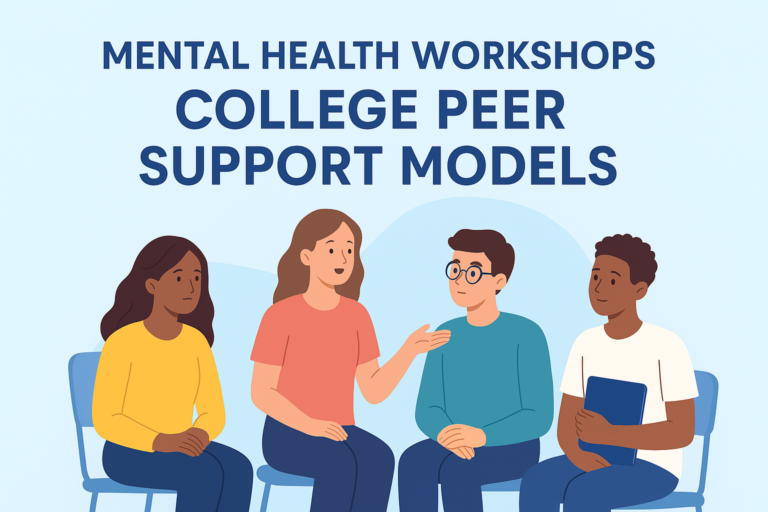
Peer Counseling programs on college campuses give students an accessible and relatable way to seek emotional support. These models work because guidance comes from fellow students who understand daily academic pressures. They also play a key role in connecting individuals to professional help when necessary. Well-trained and supervised volunteers reduce stigma, spot early warning signs, and create a culture where talking about mental health feels normal rather than attention-seeking.
Peer Counseling Helps Build Mental Health Awareness
Many campuses rely on peer educators to deliver workshops on stress, anxiety, relationships, and exam pressure. Their everyday language avoids clinical jargon and helps improve Mental Health Literacy. Programs like the University of Miami’s COPE Peer Educators guide students on emotional well-being and when to reach out for formal counseling. These sessions improve awareness and strengthen Help-seeking behaviour, especially among students reluctant to approach therapists directly.
Training often focuses on active listening, reflective communication, and non-judgmental questioning. Research shows that when peers are trained properly, they effectively spread mental-health knowledge and influence students’ willingness to seek support.
Student-Driven Peer Support Networks
Many programs begin as student-led initiatives — wellness clubs, ambassador roles, or safe-space groups. The University of Michigan’s Peer to Peer Depression Awareness program trains students to discuss mood, sleep, and stress within classrooms and dorms. This campus-wide network makes mental-health conversations a natural part of student life.
Support groups often operate as weekly drop-in circles facilitated by trained mentors with faculty oversight. UK-based Student Minds notes that these groups maintain strong ground rules on confidentiality and respectful dialogue to ensure safety.
Peers in Early Intervention and Crisis Response
Peers frequently notice early warning signs such as social withdrawal, mood changes, or alarming posts online. Initiatives inspired by Mental Health First Aid India teach the “Recognise, Respond, Refer” model — listening calmly, assessing safety, and connecting the student to professionals. Peers do not serve as therapists; instead, they provide early support and hand off urgent cases appropriately.
Frameworks like the PREPARE model emphasize reconnecting students socially, giving clear information, and linking them to immediate help. This structured approach keeps students safe while respecting volunteer boundaries.
Training for Peer Volunteers Through Workshop Models
Workshops include modules on communication, empathy, mental-health basics, and referral pathways. Some institutions even offer credit courses or digital badges. Students learn growth mindset strategies, cognitive reframing, and mental-health first aid.
Training blends lectures, role-plays, supervised sessions, and debriefs led by psychologists. Programs benefit volunteers by strengthening leadership skills, resilience, and empathy. Successful models depend on consistent supervision, confidentiality rules, and firm boundaries on what peers can and cannot handle.
Real Campus Examples
Stanford’s Bridge Peer Counseling Center provides anonymous phone and in-person support run entirely by students, helping peers navigate stress, homesickness, and academic overload. Many callers simply need someone to listen so their distress doesn’t escalate.
The Mary Christie Institute highlights peer-to-peer depression-sharing programs where seniors discuss their journey with therapy and medication. Hearing relatable experiences from peers reduces stigma and encourages earlier Help-seeking behaviour among younger students.
References
[1] Mental Health America, Copeland Center for Wellness and Recovery, Temple University Collaborative on Community Inclusion, and Doors to Wellbeing, Peer Support in College Mental Health Initiatives: Learning from the Peer Support Movement. Apr. 2023. [Online].
Available: https://mhanational.org/wp-content/uploads/2024/12/College-Peer-Support-Report-2023.pdf
FAQs
Q1. What is Peer Counseling in college mental-health programs?
Peer Counseling is a system where trained students provide emotional support, share resources, and guide peers toward professional services.
Q2. How does Peer Counseling improve Mental Health Literacy?
It enhances Mental Health Literacy by using relatable conversations to explain common issues, coping strategies, and available services.
Q3. Why does Peer Counseling strengthen help-seeking behaviour among students?
Talking to peers feels safer and more relatable, which boosts Help-seeking behaviour for counseling and early intervention.
Q4. Can Peer Counseling replace therapy on campus?
No. Peer Counseling complements therapy but does not replace professional mental-health care.
Q5. How do peer mentors identify when someone needs urgent support?
Training helps peers recognize red flags and improve Mental Health Literacy around crisis symptoms.
Q6. Do peer-led workshops increase help-seeking behaviour?
Yes, workshops improve awareness and reduce stigma, leading to stronger Help-seeking behaviour.
Q7. What skills do students gain from Peer Counseling training?
They learn active listening, empathy, and communication — all central to Peer Counseling and Mental Health Literacy.
Q8. Are peer support groups confidential?
Most groups follow strict confidentiality guidelines to encourage honest sharing and better Help-seeking behaviour.
Q9. How does Peer Counseling support students from diverse backgrounds?
Peers often understand cultural barriers and help bridge gaps in Help-seeking behaviour through relatable conversation.
Q10. Why is Mental Health Literacy essential for college students?
Higher Mental Health Literacy enables students to recognize symptoms, support friends, and access help earlier.
Penned by Khushboo
Edited by Jinal Kapadia, Research Analyst
For any feedback mail us at [email protected]
Transform Your Brand's Engagement with India's Youth
Drive massive brand engagement with 10 million+ college students across 3,000+ premier institutions, both online and offline. EvePaper is India’s leading youth marketing consultancy, connecting brands with the next generation of consumers through innovative, engagement-driven campaigns. Know More.
Mail us at [email protected]