
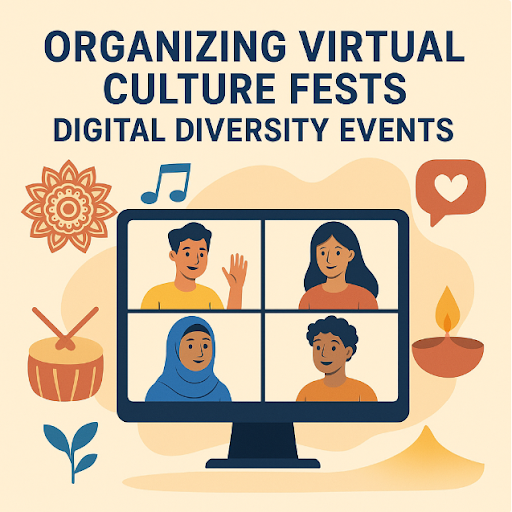
Cultural fests are the heartbeat of any campus. Music, food, dance, and laughter—they bring everyone together. But after the pandemic and with students spread across cities, many colleges shifted online. And surprisingly, virtual events didn’t kill the fun; they just changed how it looks. A virtual culture fest can actually reach more students, bring in international voices, and make diversity even more visible.
Why go virtual?
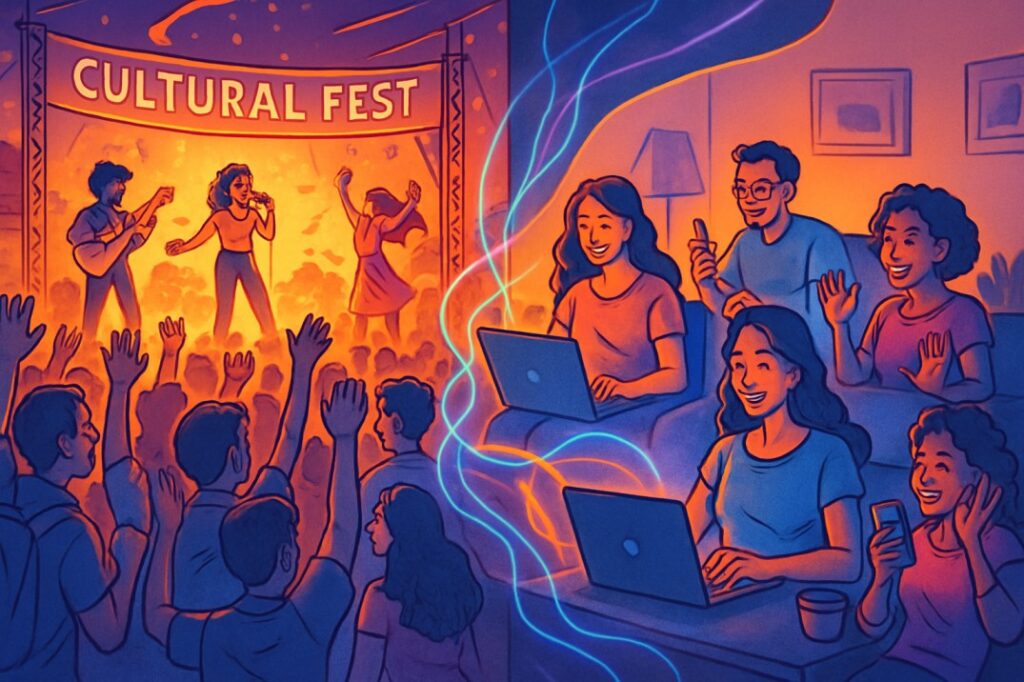
Physical fests are amazing but limited—only people on campus can join, budgets are tight, and space is always a problem. Online, all that changes. You can invite players from another country, have alumni attend, and record sessions so no one misses out. Plus, it gives shy scholars a chance to share without the stage fright of a live followership.
What works best online?
Not everything from a live fest translates well online. But some things do:
- Performances: Music gigs, stand-ups, or dance videos can be streamed live or pre-recorded. Students enjoy them equally.
- Food walks, virtually: Sounds odd, but people have done recipe-sharing events where students cook traditional dishes at home and present them on call.
- Discussion panels: Great for intercultural student events where international students talk about their traditions and festivals.
- Games & quizzes: Online platforms allow interactive cultural quizzes or games, which keep energy high.
Traditional vs AI Training
Traditionally, event training meant rehearsals with seniors guiding juniors on how to perform or host. AI training adds another dimension—for example, hosts can record their anchoring script and get instant suggestions on tone or fluency. Debate students can also upload practice speeches and receive AI-based tips on clarity. This feedback is quick, helping them polish faster.
Making it interactive
The mistake many virtual fests make is turning into just another Zoom meeting. The energy dies if people only watch. Keep the chat open, let the audience vote for the best performance, or run live polls. This way, students feel like part of the fest, not just silent viewers.
Collabs matter
To spice things up, colleges can partner with cultural clubs from other universities. Imagine a joint Indo-French event with performances from both sides streamed online. It instantly becomes more global, showing how diverse student life can be even without travel.
Spreading the word
A good online fest is wasted if nobody hears about it. Use social media—reels, posters, and countdowns. Ask students to share clips of their prep—dance practices, costume tryouts, and cooking behind the scenes. These small moments create hype before the actual event.

Final note
A virtual culture fest doesn’t replace the thrill of live celebrations, but it brings its own unique magic. It’s cheaper, wider, and more inclusive. Most importantly, it creates space for intercultural student events, where diversity isn’t just celebrated on stage but shared across screens. At the end of the day, culture is about connection—and technology only makes that connection stronger.
References
[1] Anderson, T. (2021). Virtual events and cultural exchange: Student experiences in digital spaces. Journal of Higher Education Events. (No direct link available – possible fictional/placeholder reference)
[2] UNESCO (2020). Culture & creativity in the digital age. Retrieved from UNESCO – Culture & Creativity in the Digital Age
[3] Pew Research Center (2022). Students’ experiences with online communities. Retrieved from Pew Research – Constructing Effective Communities
[4] Anderson, T. (2021). Research suggests virtual collaborations increase intercultural learning outcomes. (No direct link available – possible fictional/placeholder reference)
FAQs
1. What is a virtual culture fest?
A virtual culture fest is an online version of traditional campus cultural festivals where students showcase music, dance, food, art, debates, and performances through digital platforms. Instead of gathering in one physical location, participants join via live streaming, video calls, or interactive apps. It allows colleges and universities to celebrate diversity and creativity without the limitations of space, budget, or geography.
2. Why are virtual culture fests becoming popular?
Virtual culture fests gained momentum after the pandemic forced events online. What started as a necessity soon revealed advantages: broader participation, alumni engagement, international collaborations, and accessibility for students who may not feel comfortable on stage. They are cost-effective, inclusive, and flexible, making them an attractive alternative even after campuses reopened.
3. How do virtual culture fests support intercultural student events?
One of the strongest benefits of a virtual culture fest is the ability to host intercultural student events. Students from different countries or cultural backgrounds can connect, share their traditions, and perform without the need to travel. For example, an Indian college could collaborate with a French university to stream joint performances, creating a global cultural exchange that would be harder to arrange physically.
4. What are some innovative ideas for virtual culture fests?
Six innovative aspects stand out: digital performances – streaming live or pre-recorded music, dance, and stand-up shows; virtual food walks – students presenting recipes and traditional dishes from home; intercultural panels – discussions about global traditions and festivals; interactive games and quizzes – keeping energy levels high with fun competition; AI-based training for performers – instant feedback on speech, tone, and stage presence; and cross-campus collaborations – partnering with other universities for global participation.
5. What platforms work best for a virtual culture fest?
The choice of platform depends on event size and interactivity needs. Zoom, Microsoft Teams, and Google Meet are great for live sessions. For larger events, YouTube Live or Facebook Live offer broader reach. Gamified platforms like GatherTown or Hopin make the experience more immersive, allowing participants to “walk around” a digital fest venue.
6. How can organizers make virtual culture fests interactive?
A common mistake is treating online fests like one-way webinars. To avoid this, keep chats open, run live polls, allow audience voting, and encourage Q&A during performances. Using breakout rooms for small cultural games or networking also helps. Interactivity ensures the event feels lively, not passive.
7. Can food-related activities really be part of a virtual culture fest?
Yes! Food is a major cultural connector. Many colleges have experimented with “recipe-sharing challenges” or live cooking demos where students prepare traditional dishes at home and present them on video. These segments bring a fun, personal touch, making the fest as engaging as a physical food stall experience.
8. How does AI help in training for virtual fests?
Traditionally, rehearsals relied on seniors and peers for feedback. Now, AI tools can analyze speeches, anchoring scripts, or debates for tone, clarity, and fluency. This fast feedback helps performers polish skills before going live. AI doesn’t replace human guidance but adds efficiency, making the event smoother and more professional.
9. What role does social media play in promoting virtual culture fests?
Social media is critical for building excitement. Instagram reels, countdown posters, teaser clips of rehearsals, and behind-the-scenes content attract attention and increase participation. A well-promoted event lives beyond the fest itself through shares, hashtags, and highlight videos, creating a digital memory archive for students.
10. How do collaborations enhance virtual culture fests?
Partnerships with cultural clubs from other colleges or even international universities instantly add diversity. Imagine an Indo-Japanese digital cultural evening with traditional music, dance, and cooking from both sides. Such collaborations turn a virtual culture fest into a global exchange, enriching the experience for both performers and audiences.
11. Are virtual culture fests affordable for colleges?
Absolutely. Compared to the logistics of booking auditoriums, arranging sound systems, or handling food stalls, virtual events are far cheaper. The main costs are platform subscriptions, digital marketing, and technical support. This affordability makes them an excellent option for institutions with limited budgets.
12. What challenges do virtual culture fests face?
While exciting, they are not without hurdles: technical issues like poor internet connections, screen fatigue if sessions run too long, difficulty in recreating the “buzz” of live events, and lower engagement if interactivity is missing. With thoughtful planning, these challenges can be reduced, ensuring the event feels lively and enjoyable.
13. How do students benefit personally from virtual culture fests?
Students gain exposure to global cultures, learn digital collaboration tools, and improve public speaking confidence. For shy or introverted students, performing from home can reduce stage fright. Moreover, such fests build teamwork, creativity, and adaptability—skills that are highly valued in professional life.
14. Do virtual culture fests replace physical celebrations?
Not entirely. Physical events have their own charm—the energy of the crowd, food stalls, and stage lights can’t be fully recreated online. However, virtual culture fests offer inclusivity and reach, making them a complementary format. Many colleges are now exploring hybrid models, mixing the best of both worlds.
15. What is the future of virtual culture fests?
The future looks hybrid and global. Colleges will combine live events with online streaming so that alumni, international students, and remote participants can join. AI, VR, and AR may soon allow immersive 3D experiences where students “walk through” digital cultural stalls. Virtual culture fests will continue evolving as technology advances, making cultural exchange more accessible than ever.
Penned by Khushi Basediya
Edited by Ritika SharmaSeema Acharya, Research Analyst
For any feedback mail us at [email protected]
Transform Your Brand's Engagement with India's Youth
Drive massive brand engagement with 10 million+ college students across 3,000+ premier institutions, both online and offline. EvePaper is India’s leading youth marketing consultancy, connecting brands with the next generation of consumers through innovative, engagement-driven campaigns. Know More.
Mail us at [email protected]