
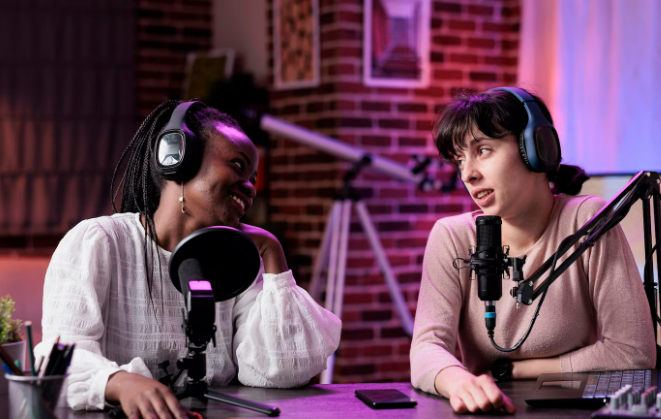
Podcasting has developed into an easily digestible and impactful platform for young creators to share ideas, tell stories, and develop communities of enthusiasts. A student podcasting guide will assist students who want to host a podcast, from idea to create to launch, by explaining how to approach the planning process and provide practical advice to create episodes that resonate and stand out in a vast array of content on offer. These youth podcasting tips will help youth to stay relevant and build a career path for their future self.
Introduction to Teenager Podcasting
Teenage-focused podcasting leverages student work, creativity, authenticity, and technology to inspire students and young adults. Podcasting allows students to delve into their passions and interests, be it pop culture, current events, or even niche hobbies. Podcasting allows young people to develop communication skills, research skills, and bolster their confidence. Importantly, podcasting enables young people to use digital audio platforms to create an identity and connect with peers around the world.
Understanding the target audience
Identifying the target demographics
Before recording, the hosts need to know who they are talking to. Things to consider are, of course, age range (e.g., 15–24); interests (gaming, social justice, entrepreneurship), and listening habits (while commuting, during a study break, as background sound). Building a demographic profile will help you to identify your language, tone, and topics.
Interacting with your audience
Interaction creates loyalty. Ask listeners to submit questions through social media polls, feedback options using comments, voice messages and/or email. Use fan feedback or listener submissions in episodes. Doing so creates a community feel and sense of ownership. Try to build in at least one engaging activity or segment in each show.
Basic Equipment & Software
Selecting a Microphone & Camera Setups
A good microphone enhances audio clarity. Good inexpensive beginning options are:
- USB condenser microphones (for example, Blue Yeti) -696 for under $150
- Economical dynamic microphones (e.g. Audio-Technica ATR2100x) – for under $100
- Sony ZV-1 Compact Camera -Premium 4K recording with flip screen, it’s under $593
- OBSPOT Tiny 2 – Ai powered webcam with gesture control it’s under $270
Software Recommendations
Editing is where raw audio becomes an episode. It is crucial to find something good to edit your work.
- Audacity (a good free and cross-platform program)
- GarageBand (free on Mac)
- Adobe Audition (subscription to unlock advanced features).
- Audio Mass (an open-source web-based waveform editor)
Content Creation Strategies
Topic Development
Whatever you choose as a content topic needs to be something in the middle of what you love and what your audience wants. To avoid writer’s block, it’s good to have a mix of evergreen content (study tips, career advice) and topics that are timelier and trending (viral challenges, latest gadget releases), so pay attention to areas which you may be incidental in. I try to dedicate an hour of research for each episode subject matter to look for a different take on the content.
Episode Structure
As being foretold structure designed by European Public Health Association, having a consistent structure helps your audience stick in their minds
- Intro (15-30 seconds) include theme music, show name.
- Segment 1: main topic discussion (10-15 minutes)
- Segment 2: audience Q&A or short feature films (5-7 minutes)
- Ending (1-2 minutes) include a call for action (subscribe, review, follow).
Guest Interviews
Guests are also a good way to give your show credibility and a new perspective. Each guest you interview can give you 5-7 open-ended questions to start, and ways you plan to record and edit the interview (if it is remote). Interviews are often best if they are at least 15-20 minutes long so you have enough content to edit down to the highlights for the episode. Be sure to ask for permission to publish their interview.
Marketing and Promotion Methods
Using Social Media
Take advantage of the sites where young populations are located. Create short teaser videos (30 – 45 seconds) for YouTube shorts and Instagram Reels. Create audiograms with waveforms and captions. Using peak posting times (ex. lunchtime and early evening).
Working with Other Podcasters
Cross-promotion provides an opportunity for growth. Find peer shows that are close to the same themes as your show where you would do a swap episode or guest appearance. Follow each other’s social media accounts and newsletter mentions to find a new fan base.
Find help of Podcast Directories
Submission to the major directories provides a discoverable medium. Apple Podcasts, Spotify, Google Podcasts, and Stitcher, are essential podcast platforms. Complete the metadata forms (cover art, episode Title, episode description, and keywords) to maximize search external.
Conclusion
Making use of these youth podcasting tips and following an all-encompassing student podcasting guide, helps youth podcasters develop a sustainable show. By analysing their listeners interests and patterns, the young creators can create content that makes a difference. Acquiring quality recording devices and simple editing software will help get professional audio developing a structure for episodes and keeping segments fun for listeners can give episode structure; conducting interviews with meaningful guests adds value and working to promote the podcast with social media, collaborations, and major podcast directories, can add clarity to the real and evolving community of loyal listeners.
References
- (March,2025). How to start a podcast in 2025: A Step-By-Step Guide. Podcast Insights https://www.podcastinsights.com/start-a-podcast/
- (2022). Getting started with Podcasts. European Journal of Public Health, https://doi.org/10.1093/eurpub/ckac129.023
- (April ,2025 )21 Tips to Record Video Interviews Professionally + Free Checklist https://riverside.com/blog/record-video-interview
- (2018)Building Souls and CVs in a Student-Run Podcasting Course https://transpublika.co.id/ojs/index.php/JRPP/article/download/587/494
- The Most INTENSIVE Beginner’s Guide to Microphones https://www.reddit.com/r/Twitch/comments/12vshg8/the_most_intensive_beginners_guide_to_microphones/
- MIC Recommendation and Camera Apparatus – Amazon.IN and Flipkart.IN
FAQs
1. What are the most important youth podcasting tips for beginners?
Some of the most important youth podcasting tips for beginners include choosing a clear theme, investing in basic audio equipment, and planning episodes in advance. These steps help young creators stay consistent and professional from the start.
2. How can youth podcasting tips improve audio quality?
Youth podcasting tips such as using a good microphone, recording in a quiet environment, and editing with free software can drastically improve audio quality. Clear sound makes a podcast more engaging and easier to follow.
3. What youth podcasting tips help with growing an audience?
Key youth podcasting tips for audience growth include promoting episodes on social media, collaborating with other podcasters, and encouraging listener feedback. Building community engagement is essential for long-term success.
4. Are there youth podcasting tips for content planning?
Yes, one of the best youth podcasting tips is to create an episode calendar. Planning topics ahead ensures consistency, prevents burnout, and allows time for quality research and guest outreach.
5. Which youth podcasting tips make a show stand out?
Youth podcasting tips like having a unique voice, telling personal stories, and experimenting with formats help a podcast stand out. Creativity and authenticity attract listeners more than generic content.
6. How do youth podcasting tips help with monetization?
Youth podcasting tips such as building a loyal audience, integrating sponsorships naturally, and offering bonus content can help creators earn revenue. Monetization becomes easier once the podcast demonstrates consistent quality.
7. What youth podcasting tips are useful for social media promotion?
Effective youth podcasting tips for promotion include creating short audio clips, sharing behind-the-scenes content, and using relevant hashtags. This strategy increases visibility and draws new listeners from online platforms.
8. Are there youth podcasting tips for handling nervousness?
Yes, youth podcasting tips for nervousness include practicing scripts, recording multiple takes, and treating the microphone like a friendly conversation. Confidence grows as students record more episodes.
9. What youth podcasting tips should students follow for interviews?
Some valuable youth podcasting tips for interviews are preparing thoughtful questions, actively listening, and allowing guests to share stories. This approach makes conversations natural and engaging for listeners.
10. Where can I find reliable youth podcasting tips online?
Reliable youth podcasting tips can be found on platforms like YouTube tutorials, podcasting blogs, and online communities. Many resources specifically guide young podcasters with free advice and step-by-step guidance.
Penned by Priyansh Sharma
Edited by Sneha Seth, Research Analyst
For any feedback mail us at [email protected]
Transform Your Brand's Engagement with India's Youth
Drive massive brand engagement with 10 million+ college students across 3,000+ premier institutions, both online and offline. EvePaper is India’s leading youth marketing consultancy, connecting brands with the next generation of consumers through innovative, engagement-driven campaigns. Know More.
Mail us at [email protected]