
This guide gives you everything you need to ace virtual career fairs and master the job search strategies that’ll help you stand out in a virtual crowd. Why Virtual Career Fairs Are a Big Deal So let’s get started with the basics.
What are virtual career fairs? They are the online events where students and job seekers get a common ground with recruiters and company representatives through chat rooms, video calls, webinars, and virtual booths.
The benefits?
Accessibility: Students from Tier-2 or Tier-3 cities can now meet recruiters from all around the globe. Convenience: Travelling is out the window. Not in the city, not a problem…
Efficiency: Jump between booths, schedule chats, and attend sessions all in one tab. They’re not just convenient; they’re mandatory in a modern student’s job search strategy.
Prepping for the Fair: Do Your Homework (This One’s Important)
Although the fair is online. But that doesn’t mean you log in and wing it. Prepare like you’re prepping for an exam, but this one could get you earnings.
1.Research
Pick up your notes and list down all the attending companies and categorize them according to your interest. Visit their websites and LinkedIn, read their vision statements, check recent news and projects, and learn what roles they’re offering. This is what will help you have more meaningful conversations than just asking, “What do you guys do?”
2.Tailor Your Resume
using a single resume for all the companies. A big no. Customize your resume, create one master resume, and then align it with the roles you’re targeting. Keep it crisp, and to the point name your file something that shows how professional you are, not FinalFinal_Resume_YES_USE_THIS.pdf.
3.Perfect Your Elevator Pitch
The primary part of your job search strategy,the lines that capture your capabilities. What would you say in 30 seconds? Yes, that’s your elevator pitch. Keep it sharp, personal, and impactful, not just your name and degree.
During the Fair: It’s Show Time!
After all the prep is up to the mark, now it’s game time.
Dress (at Least the Upper Half) to Impress
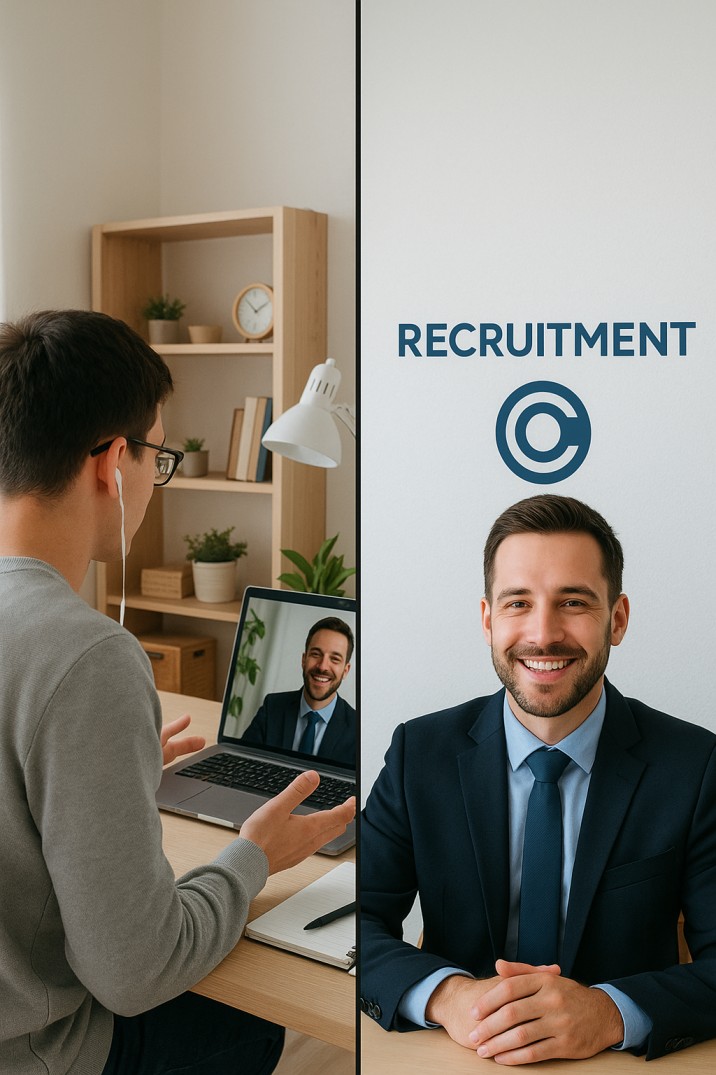
How to make your first appearance totally matters. Dressing in formal attire is not a thing that should be negotiated, giving everything a professional touch
Start Smart Conversations
Use the chat function or video calls to ask relevant questions. Don’t just copy-paste the same “Hi, what roles do you have?” to every company. Use the prep research you did mention about the company like you are the one they are finding. Try: Hi, I saw your recent project on sustainable logistics. It really caught my attention. Would there be any opportunities related to that?”
Take Notes Like a Detective
Keep a notebook or document open. Write down names, job roles, recruiter advice, and deadlines. All this comes to use when you’re applying or writing follow-up emails; they are the game changers.
After the Fair
Don’t Ghost the Recruiters Don’t be that person at all who makes a great impression and then disappears like you don’t exist.
Send Thank You Emails
Within the first 24–48 hours, email the recruiters you held a conversation with. Mention something specific from your chat to click them with you instantly; this will give you an edge. Make sure your content is to the point , polite, and appreciative.
Apply Quickly
If you found roles that matched your interest, apply right away; do not overthink or overanalyze. Mention in your cover letter that you spoke to a recruiter at the virtual fair this gives you an edge over your competition.
Connect on LinkedIn
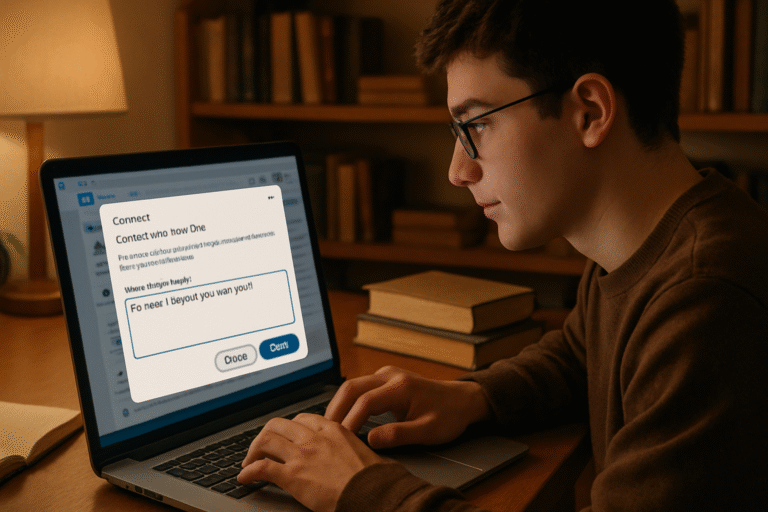
Treat it like a mandatory move to follow up by connecting on LinkedIn with a brief message.For example: “Hi [Name], it was great speaking with you at [Fair Name]! I’d love to stay connected and learn more about [Company].”
Smart Job Search
Strategies for Students Attending virtual career fairs is a strong start, but pairing it with these smart job search strategies increases your success rate
Keep a Job Tracker: Use Google Sheets to track applications, deadlines, and follow-ups, because just applying for a position won’t give you one.
Set Alerts: LinkedIn, Glassdoor, and Internshala—all these are the platforms that will help you with custom job alerts.
Join Career Groups: Be it on LinkedIn or Discord, student communities often share openings before they go public to be one of the earliest applicants.
Practice Interviews: Even for virtual roles, there is no negotiation in this; interview prep is key. Use platforms like Pramp or InterviewBuddy.
CONCLUSION: Your Screen Is Your Stage
Yes, there are no doubt that the job market is tough. And yes, online events can feel awkward and far different from real ones. But virtual career fairs are designed to be the connection between students and recruiters no matter where you are,they become that bridge that leads you toward your dream.So, put on your best version, be through with your strategy, and treat that screen like a spotlight that is waiting for you to shine. After all, it’s not just about being present at the fair; it’s about being different from the crowd. And who knows? Your future employer might just be sitting behind that next screen, waiting to meet you.
References
Brazen Technologies. (n.d.). How virtual career fairs work. Retrieved August 6, 2025
Handshake. (n.d.). What is a virtual career fair? Retrieved August 6, 2025
Indeed Editorial Team. (2023). How to prepare for a virtual job fair. Retrieved August 6, 2025
LinkedIn. (n.d.). 5 tips to nail your next virtual job fair. Retrieved August 6, 2025
University of California Berkeley Career Center. (n.d.). Virtual career fairs: Tips and tools. Retrieved August 6, 2025
FAQs on Virtual Career Fairs
1. What are virtual career fairs?
Virtual career fairs are online events where students and job seekers connect with employers, recruiters, and company representatives through chat rooms, video calls, and digital booths. Unlike traditional fairs, you don’t need to travel or wait in long lines—everything happens on a screen, making job opportunities accessible to everyone, including students in remote areas.
2. Why are virtual career fairs important for students today?
With companies adopting remote hiring and hybrid work models, virtual career fairs have become a must-attend event for students. They provide accessibility, convenience, and efficiency, letting students meet recruiters globally without leaving their rooms. These fairs are now a crucial part of a modern job search strategy.
3. How do virtual career fairs work?
Virtual career fairs typically have an online platform where companies set up virtual booths. Students can browse company profiles, join live webinars or Q&A sessions, schedule video chats with recruiters, and submit resumes directly through the platform. This setup replicates a physical fair but with digital flexibility.
4. What are the benefits of attending virtual career fairs?
The key benefits of attending virtual career fairs include accessibility, convenience, networking, and efficiency. Students from small towns or Tier-2/Tier-3 cities can meet global recruiters without travel. They can connect with recruiters, alumni, and hiring managers, jump between booths, schedule meetings, and apply on the spot—all from the comfort of their home.
5. How should students prepare for virtual career fairs?
Preparation is essential for success at virtual career fairs. Students should research attending companies in advance, tailor their resumes for each company, and practice an elevator pitch to introduce themselves in 30 seconds. It’s also important to test technical setups like Wi-Fi, camera, and microphone before the event. Being prepared increases confidence and leaves a strong impression on recruiters.
6. What mistakes should students avoid at virtual career fairs?
Students should avoid logging in without preparation, sending the same generic message to every recruiter, and not dressing professionally. Additionally, they should remember to take notes and follow up after the event. Avoiding these mistakes helps present a professional image and improves the chances of success.
7. How should students dress for virtual career fairs?
Even though the event is online, dressing in formal or semi-formal attire is crucial. Wearing a neat shirt, blazer, or professional outfit (at least from the waist up) creates a positive impression during video calls. Recruiters notice the effort, even in a virtual environment.
8. What is an elevator pitch and why is it important?
An elevator pitch is a short, 30-second introduction where students summarize their skills, background, and career goals. At virtual career fairs, it serves as a first impression tool. A strong pitch should include the student’s name, degree, area of interest, and a brief statement of what makes them a good fit for the company.
9. How can students stand out during virtual career fairs?
Students can stand out by asking specific, well-researched questions about company projects, showing genuine enthusiasm, and highlighting relevant skills and experiences. Following up with thank-you emails and LinkedIn connections also helps recruiters remember them as proactive and interested candidates.
10. Should students tailor resumes for virtual career fairs?
Yes, students should always tailor their resumes for virtual career fairs. A generic resume is less effective than one customized for a specific company or role. Including company-specific keywords improves the chances of being shortlisted. It’s also important to name the file professionally, such as “YourName_Resume.pdf,” instead of something like “Final_Resume2.pdf.”
11. How do students network effectively in virtual career fairs?
Effective networking requires active participation. Students should engage in chats and video sessions, introduce themselves politely, connect on LinkedIn after the event, and refer to details from conversations when following up. This builds credibility and strengthens recruiter recall.
12. What should students do after virtual career fairs?
After attending a virtual career fair, students should send thank-you emails to recruiters within 24–48 hours, apply for roles discussed during the event, and connect on LinkedIn with company representatives. Keeping a job tracker to organize applications and deadlines ensures they don’t miss any opportunities.
13. What challenges do students face in virtual career fairs?
Students often face challenges such as technical issues (like poor Wi-Fi or audio glitches), overcrowded chat sessions where it’s difficult to get recruiter attention, and a lack of preparation compared to other applicants. Additionally, many forget to follow up afterward. Overcoming these challenges helps students gain the full benefit of the event.
14. How can virtual career fairs fit into a student’s job search strategy?
Virtual career fairs should be combined with other job search strategies, such as setting job alerts on platforms like LinkedIn, Glassdoor, and Internshala, practicing virtual interviews, and joining student communities that share job openings early. This multi-channel approach increases the chances of landing a job.
15. What is the future of virtual career fairs?
The future of virtual career fairs looks promising. Post-COVID, many universities and companies continue to adopt hybrid hiring models. Virtual career fairs are expected to evolve with features like AI matchmaking, interactive virtual reality booths, and global participation, making them a permanent and integral part of the hiring process
Penned by Taranpreet Kaur
Edited by Ragi Gilani, Research Analyst
For any feedback mail us at [email protected]
Transform Your Brand's Engagement with India's Youth
Drive massive brand engagement with 10 million+ college students across 3,000+ premier institutions, both online and offline. EvePaper is India’s leading youth marketing consultancy, connecting brands with the next generation of consumers through innovative, engagement-driven campaigns. Know More.
Mail us at [email protected]