
A personal website portfolio is not just a digital resume, but it may be living and evolving with your career. With a good site, you are able to display work samples, narrate stories, and keep your presence online dynamic, unlike a plain PDF. This paper will describe the importance of a personal site portfolio, how it is created, and why the concept of updating the resume on a regular basis makes it particularly effective.
The reason why a living portfolio is much better than a fixed resume.
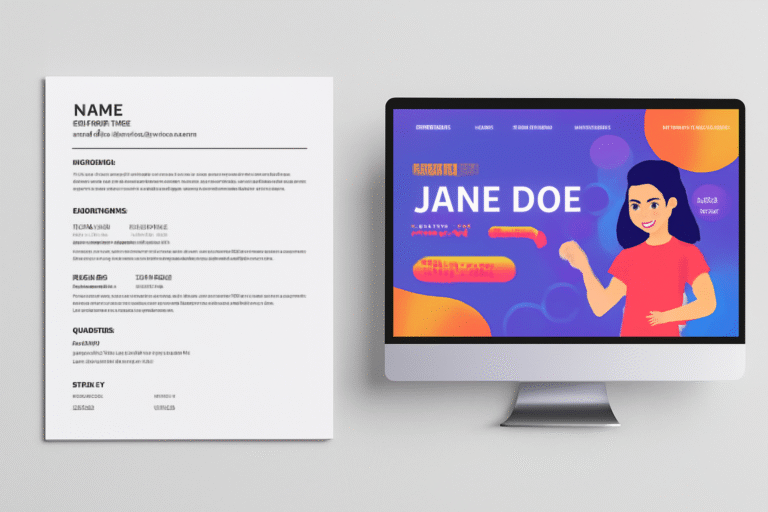
A traditional resume lists jobs, dates, and skills. A personal site portfolio will allow individuals to view your work and see your way of thinking. You may also add project pages, case studies, code samples, videos, design files, and links to running projects. Recruiters, clients, and collaborators take more time on websites where they can browse your work, and a richer experience tends to stick better in their memory than a single-page PDF.
Make a continuous resume update part of your routine
You should treat your site as a location where you update your resume on a consistent basis. You don’t have to recreate your resume every few months; you can update your site with new projects, accomplishments and thoughts as they occur. The post of a quick blog, the addition of a new portfolio or even an updated project demo will update your profile and make the job applications/job interviews less of a panic rush. Employers will not have a snapshot of growth but a timeline.
What should be in a personal web site portfolio.
Home page: A short, friendly introduction and links to your most important work.
Resume / CV page: A downloadable resume and a concise timeline of roles.
Projects or portfolio page: Detailed case studies for 3-6 strong projects. Show the problem, your process, and the outcome (with visuals or links).
Blog or updates: Postings on the latest work, lessons learned, or tools you used – ideal in terms of ongoing resume update.
Contact/social links: Obvious contacts to you (GitHub, Dribbble, LinkedIn) or look at your pertinent profiles.
Extras: Reviews, lectures, credentials, or code samples—whatever demonstrates prowess.
Actually useful design tips.
Maintain the design as lean and quick. Use readable fonts, clear headings, and good spacing. Arrange the projects in a way that the visitors can scan them: title, one-line summary, and a read more button to the details. Should be a mobile-friendly design – lots of viewers will have their phones. Lastly, express yourself: a tiny picture, a brief personal gratification, or a catchy slogan can leave an impression.
Show process, not just results
Employers would want to know how you can solve things. For each project, briefly, what do you intend to do, the challenges, and the quantifiable outcomes. Include code snippets, screenshots, or before-and-after visuals when possible. This enriches your portfolio and helps fill the ongoing resume updating habit by making each new lesson content to share.
Don’t overwork content.
You do not have to revamp your site every week. Most updates should be small, such as adding a new project, publishing a brief reflection, or replacing a new testimonial. Quickly make edits with tools such as content management systems or simple static site generators. Similarly, automating some of your site can make it interesting, such as putting your GitHub activity or a blog feed into your site.
Make a continuous resume update part of your routine
You should treat your site as a location where you update your resume on a consistent basis. You don’t have to recreate your resume every few months; you can update your site with new projects, accomplishments and thoughts as they occur. The post of a quick blog, the addition of a new portfolio or even an updated project demo will update your profile and make the job applications/job interviews less of a panic rush. Employers will not have a snapshot of growth but a timeline.
What should be in a personal web site portfolio.
Home page: A short, friendly introduction and links to your most important work.
Resume / CV page: A downloadable resume and a concise timeline of roles.
Projects or portfolio page: Detailed case studies for 3-6 strong projects. Show the problem, your process, and the outcome (with visuals or links).
Blog or updates: Postings on the latest work, lessons learned, or tools you used – ideal in terms of ongoing resume update.
Contact/social links: Obvious contacts to you (GitHub, Dribbble, LinkedIn) or look at your pertinent profiles.
Extras: Reviews, lectures, credentials, or code samples—whatever demonstrates prowess.
Actually useful design tips.
Maintain the design as lean and quick. Use readable fonts, clear headings, and good spacing. Arrange the projects in a way that the visitors can scan them: title, one-line summary, and a read more button to the details. Should be a mobile-friendly design – lots of viewers will have their phones. Lastly, express yourself: a tiny picture, a brief personal gratification, or a catchy slogan can leave an impression.
Show process, not just results
Employers would want to know how you can solve things. For each project, briefly, what do you intend to do, the challenges, and the quantifiable outcomes. Include code snippets, screenshots, or before-and-after visuals when possible. This enriches your portfolio and helps fill the ongoing resume updating habit by making each new lesson content to share.
Don’t overwork content.
You do not have to revamp your site every week. Most updates should be small, such as adding a new project, publishing a brief reflection, or replacing a new testimonial. Quickly make edits with tools such as content management systems or simple static site generators. Similarly, automating some of your site can make it interesting, such as putting your GitHub activity or a blog feed into your site.
SEO and discoverability
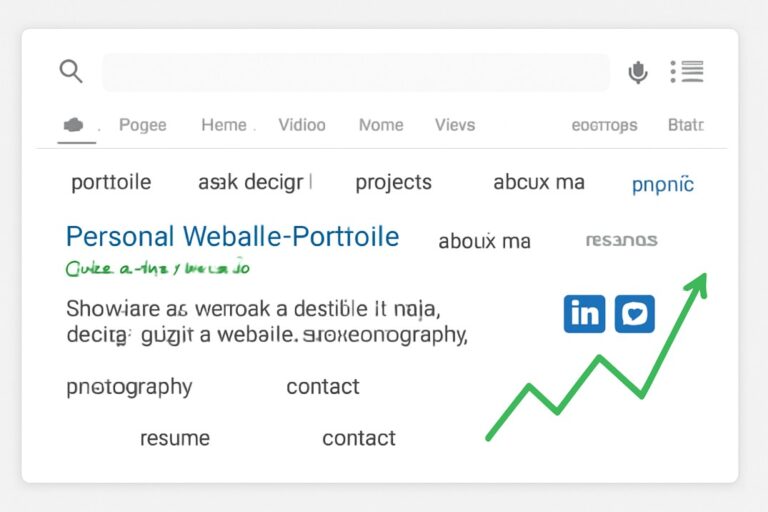
One of the websites on which a person places their portfolio should be accessible. Use clear page titles, short URLs, and concise meta descriptions. Insert keywords connected with your work and name yourself in the first place. Post new information on social media and professional networks to create traffic and demonstrate active work—another advantage of constant resume renewal.
Final thoughts
A career portfolio in the form of personal websites brings your career to life as a story. It allows your work to be explored easily, demonstrates growth in your career by having an up-to-date resume, and enables you to shine in a saturated job market. Keep it simple, consistent, and stick to clarity: with time, your site will be your greatest business asset.
References
[1] J. van der Meer, “The Digital Portfolio as a Tool for Employability,” International Journal of E-Portfolio, vol. 9, no. 1, pp. 13–25, 2019.
[2] A. D. Friedman and L. E. Tucker, “Online Professional Identity: Creating a Personal Website for Career Advancement,” Journal of Career Development, vol. 47, no. 2, pp. 146–161, 2020, doi: 10.1177/0894845319840430.
[3] D. Cambridge, E-Portfolios for Lifelong Learning and Assessment. San Francisco, CA, USA: Jossey-Bass, 2010.
FAQs
1. What is a personal website portfolio and why is it important?
A personal website portfolio is an online space where you showcase your professional work, skills, and experiences. Unlike a static resume, it evolves with your career and allows employers to see your growth over time. Having a personal website portfolio also helps you build a strong online presence and stand out in a competitive job market.
2. How does a personal website portfolio differ from a traditional resume?
A traditional resume is limited to text and bullet points. In contrast, a personal website portfolio allows you to display case studies, visuals, code samples, and videos. It gives employers an interactive experience, helping them understand your thought process and problem-solving skills in ways a one-page PDF never could.
3. What should I include in a personal website portfolio?
A strong personal website portfolio should contain a home page with a clear introduction, a resume or CV section, a projects or portfolio page with detailed case studies, a blog or updates section, and contact and social media links. These elements create a complete professional picture and demonstrate ongoing growth.
4. How often should I update my personal website portfolio?
Ideally, you should update your personal website portfolio every time you complete a significant project or achieve a milestone. Small updates—like adding a blog post or testimonial—keep your portfolio fresh and ensure employers always see your most recent work.
5. Can a personal website portfolio help me get a job faster?
Yes. Recruiters and hiring managers often look for candidates with a digital presence. A personal website portfolio demonstrates initiative, creativity, and technical ability, which gives you a competitive edge. Many professionals find that having a portfolio site shortens the job search process.
6. What design principles should I follow when creating a personal website portfolio?
Your personal website portfolio should be clean, responsive, and easy to navigate. Use readable fonts, consistent headings, and a minimal color scheme. Arrange projects with clear titles, summaries, and a “read more” button. Always ensure the portfolio is mobile-friendly since many recruiters view profiles on their phones.
7. Should I include unfinished projects in my personal website portfolio?
It’s better to showcase only complete or polished work in your personal website portfolio. However, if an unfinished project demonstrates a valuable process, you can include it with a note explaining your role and what you learned. Transparency often impresses employers.
8. How do I make my personal website portfolio stand out from others?
Add unique touches like behind-the-scenes explanations, case studies, or interactive demos. Employers don’t just want to see final results; they want to understand how you solved challenges. A personal website portfolio that shows your process, not just outcomes, creates a stronger impression.
9. Can a personal website portfolio benefit freelancers and entrepreneurs?
Absolutely. For freelancers, a personal website portfolio acts as both a resume and a marketing tool. It demonstrates skills, showcases client testimonials, and attracts new clients. Entrepreneurs can use their portfolio site to display past ventures, products, and business achievements.
10. What role does SEO play in a personal website portfolio?
SEO is critical for making your personal website portfolio discoverable. Use clear titles, meta descriptions, and short URLs. Include keywords related to your industry and skills. Optimized portfolios not only impress employers but also rank higher on search engines, increasing visibility.
11. Should I buy a custom domain for my personal website portfolio?
Yes, purchasing a custom domain makes your personal website portfolio look professional and credible. A domain with your name (e.g., yourname.com) is easy to remember and adds authority to your online presence. Free subdomains often look less polished.
12. How can I show both technical and creative skills in a personal website portfolio?
Blend visuals with technical content. For example, if you’re a web developer, include GitHub repositories and live project links. If you’re a designer, show sketches, mockups, and final designs. A balanced personal website portfolio highlights both creativity and execution.
13. Should students create a personal website portfolio even without work experience?
Yes, students benefit greatly from building a personal website portfolio. Instead of client work, they can showcase academic projects, personal side projects, hackathon entries, and skills they are developing. This demonstrates initiative and prepares them for future opportunities.
14. Can I use my personal website portfolio as a blog too?
Yes, combining a blog with your personal website portfolio is an excellent strategy. You can share lessons learned, industry insights, and progress updates. This keeps your portfolio dynamic and shows employers you are engaged in continuous learning.
15. What are the long-term benefits of maintaining a personal website portfolio?
A personal website portfolio grows with your career, becoming a timeline of achievements. Over the years, it shows consistent progress, adaptability, and dedication. In the long term, it acts as a living resume that evolves alongside your professional journey
Penned by Gautam Suresh
Edited by Zainab Shaikh, Research Analyst
For any feedback mail us at [email protected]
Transform Your Brand's Engagement with India's Youth
Drive massive brand engagement with 10 million+ college students across 3,000+ premier institutions, both online and offline. EvePaper is India’s leading youth marketing consultancy, connecting brands with the next generation of consumers through innovative, engagement-driven campaigns. Know More.
Mail us at [email protected]