
Digital Minimalism: Reclaim Your Time, Focus, and Productivity
In today’s hyper-connected era, digital devices dominate almost every aspect of life. From smartphones to laptops, social media notifications, endless emails, and online entertainment, it’s easy to feel overwhelmed and distracted. Many people struggle with time management, productivity, and even mental health because they’re constantly “plugged in.”
Digital Minimalism offers a practical, sustainable solution. Unlike temporary digital detoxes, digital minimalism is a long-term lifestyle strategy focused on intentional technology use, reducing clutter, and prioritizing meaningful activities. By adopting digital minimalism, individuals can regain control over their time, improve focus, reduce stress, and build a more fulfilling life.
What is Digital Minimalism?
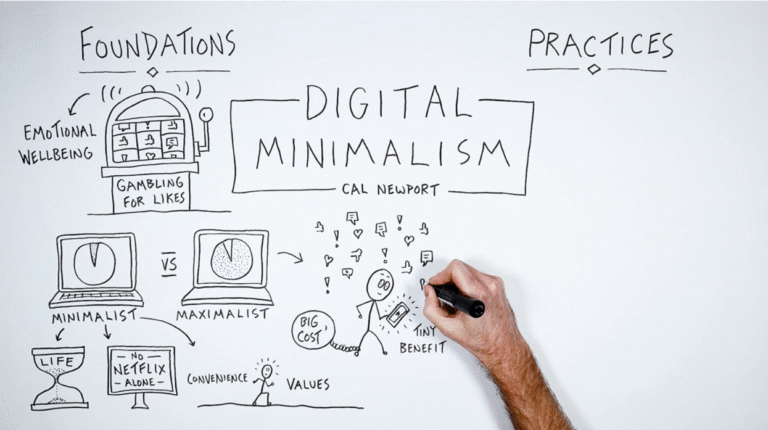
Digital minimalism is a lifestyle philosophy introduced by Cal Newport. It encourages using technology intentionally rather than passively. The goal is not to eliminate technology but to ensure that every digital tool you use serves a meaningful purpose.
Key Concepts of Digital Minimalism:
Intentional Use: Every interaction with digital devices should have a purpose. Check whether the activity supports your personal or professional goals.
Decluttering Digital Life: Remove apps, notifications, and habits that don’t add value.
Mindful Engagement: Focus on high-value digital tasks rather than mindless scrolling or multitasking.
Value Alignment: Align your technology use with your priorities to maximize its benefits.
Practicing digital minimalism helps reduce cognitive overload, improves attention span, and fosters balance between online and offline life.
Digital Minimalism vs Digital Detox
While digital minimalism and digital detox are often mentioned together, they are different.
| Feature | Digital Minimalism | Digital Detox |
|---|---|---|
| Duration | Long-term lifestyle | Short-term break |
| Approach | Intentional, value-driven usage | Temporary abstinence |
| Focus | Sustainable engagement | Quick relief from overload |
| Benefits | Improved productivity, mental clarity | Short-term stress reduction |
A digital detox is temporary, while digital minimalism changes how technology is used consistently, creating lasting positive effects.
Why Digital Minimalism is Important
1. Reduces Digital Overload
Excessive screen time and constant notifications overwhelm the brain. Digital minimalism encourages intentional use, helping to reclaim attention and reduce stress.
2. Boosts Productivity
By reducing distractions, digital minimalism allows for focused work and better output. Limiting unnecessary digital interruptions improves efficiency in both personal and professional tasks.
3. Improves Mental Health
Overuse of technology increases anxiety, sleep disturbances, and emotional fatigue. Practicing mindful technology use helps restore balance and mental well-being.
4. Strengthens Relationships
Spending more time offline allows for face-to-face communication, creating deeper connections with friends, family, and colleagues.
Core Principles of Digital Minimalism
1. Intentional Technology Use
Ask yourself before using a device: “Does this serve a meaningful purpose?” Avoid mindless scrolling and notifications. Intentionality is the foundation of digital minimalism.
2. Declutter Digital Life
Remove apps that do not serve your goals, unsubscribe from irrelevant emails, and mute non-essential notifications. Less digital clutter equals more mental space.
3. Prioritize High-Value Activities
Replace low-value digital activities with meaningful tasks: reading, journaling, learning, creative projects, or offline hobbies.
4. Set Boundaries
Define tech-free zones or times, such as meals, evenings, or weekends. Boundaries help maintain focus, reduce stress, and promote real-world engagement.
5. Reflect Regularly
Evaluate digital habits weekly. Identify distractions, measure screen time, and replace low-value tasks with purposeful activities.
Step-by-Step Guide to Practicing Digital Minimalism
Audit Your Digital Life:
Track apps, devices, and screen time to identify areas of improvement.Eliminate Low-Value Apps:
Remove apps that waste time or trigger compulsive use.Set Usage Rules:
Decide which apps and devices are essential. Limit social media or entertainment apps to scheduled periods.Schedule Tech-Free Periods:
Dedicate time for offline activities, such as reading, exercising, or spending time with family.Replace Passive Use:
Engage in creative hobbies, outdoor activities, or personal growth projects instead of mindless scrolling.Reflect and Adjust:
Weekly reflection ensures your digital habits stay aligned with your goals and priorities.
Daily Habits for Digital Minimalism
Morning Without Screens: Begin the day with meditation, journaling, or exercise instead of checking your phone.
Single-Tasking: Focus on one task at a time to enhance productivity.
Offline Hobbies: Spend time reading, painting, cooking, or exercising.
Weekly Digital Review: Evaluate your screen time and make necessary adjustments.
Digital Sabbatical: Occasionally disconnect entirely to recharge focus and energy.
Tools to Support Digital Minimalism
| Tool/App | Purpose | Notes |
|---|---|---|
| Screen Time / Digital Wellbeing | Monitor usage and set limits | Built-in Android/iOS features |
| Forest | Gamified productivity and focus app | Encourages uninterrupted work |
| Freedom | Block distracting websites and apps | Customizable block schedules |
| Todoist / Notion | Task organization and planning | Helps prioritize meaningful tasks |
These tools support intentional digital habits and make it easier to practice digital minimalism consistently.
Challenges in Practicing Digital Minimalism
Fear of Missing Out (FOMO): People worry about missing social updates or news.
Social Pressure: Colleagues or friends expect constant availability.
Habitual Use: Breaking long-standing habits is difficult and requires consistency.
Work Demands: Jobs that require digital presence make it challenging to set boundaries.
Solutions: Start small, establish clear rules, replace low-value digital activities with meaningful offline tasks, and leverage productivity tools for reinforcement.
Real-Life Case Studies
Professionals: Employees who reduced social media use by 50% reported improved task completion and decreased stress.
Students: College students practicing minimalism focused better on studies and showed academic improvement.
Families: Households implementing tech-free meals or weekends strengthened relationships and reduced conflicts.
Research Insights
Studies have shown that reducing screen time can significantly improve concentration, memory, and sleep quality. Mindful technology use reduces stress hormones and supports mental well-being. By practicing digital minimalism, people are more present, creative, and productive.
Frequently Asked Questions
Q1: What is digital minimalism?
Digital minimalism is a lifestyle approach that emphasizes intentional, meaningful technology use while minimizing distractions.
Q2: How do I start practicing it?
Track usage, remove unnecessary apps, set tech-free periods, and replace passive digital activities with offline tasks.
Q3: How long does it take to see results?
Typically, people notice improvements in focus, productivity, and reduced stress within 2–4 weeks.
Q4: Is it the same as a digital detox?
No. A digital detox is short-term, while digital minimalism is a sustainable, long-term approach.
Q5: Can it increase productivity?
Yes. By reducing distractions and prioritizing meaningful tasks, productivity significantly improves.
Conclusion
Digital minimalism is more than a trend—it’s a lifestyle strategy for the modern digital world. By intentionally using technology, reducing clutter, setting boundaries, and prioritizing meaningful activities, you can reclaim focus, enhance productivity, improve mental health, and enjoy more fulfilling relationships.
Start today by evaluating your digital habits, eliminating distractions, and scheduling purposeful offline activities. Over time, digital minimalism can transform technology from a source of stress into a tool that supports your life and goals.
fore more information kindly check this
Penned by Names
Edited by Ritika Sharma, Research Analyst
For any feedback mail us at [email protected]
Transform Your Brand's Engagement with India's Youth
Drive massive brand engagement with 10 million+ college students across 3,000+ premier institutions, both online and offline. EvePaper is India’s leading youth marketing consultancy, connecting brands with the next generation of consumers through innovative, engagement-driven campaigns. Know More.
Mail us at [email protected]