
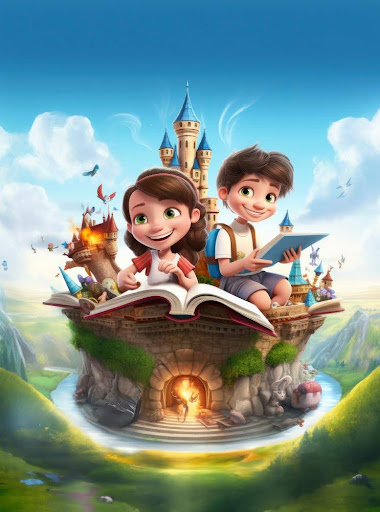
5 ways animated comics are redefining storytelling
Recently, it has been observed that there is a sudden boost in the trend of animated comics. The animated comics magazines are redefining storytelling by combining images, visuals, and words to create the most impactful form of media.
Humans have evolved to different forms of media over time. From stone art and symbols, humans have transformed media consumption into manuscripts, books, comics, theater, black and white films, coloured films, animations, and now animated comics. These comics are dynamic and catch the attention of viewers.
This evolution can be very evident in the form of an ever-increasing audience and creators.
These animated comics magazines present a new form of storytelling by creating a new visual narrative. With dynamic visual storytelling, these stories reshape the tradition of storytelling and increase engagement.
Below are 5 ways in which animated comics are revolutionizing storytelling:
New visual dynamics
The animated comics have introduced a new method of storytelling and media consumption in the form of visual dynamics. These visuals make the story look more realistic and, hence, are more appealing and attention-grabbing to the new generation.
The comics catch the attention of the viewers with their creative images and interesting story lines. The visuals bring scenes to life. This increases the engagement.
Realistic characters
Animated comics bring characters to life through dynamic visuals. These visuals are crafted to resemble moving images rather than static ones… They bring characters to life through their appearance, movement, speech, and emotional expressions. This connection between characters and readers makes them feel like a part of the readers’ lives.
Enhances engagement
The animated comics attract readers with their unique style. They increase engagement with their attention-grabbing characteristics. The storyline, along with catchy media, gets stuck in a person’s mind, which increases engagement. This leaves a long-lasting impression and, hence, boosts the consumption of this form of media. This enhances engagement.
No language barriers
The animated comics do not have any language barriers, and hence, can reach a wide audience. Non-native consumers understand the story through visuals and motions. This increases the diversity of viewers.
Global reach
The animated comics do not have any language barriers, and hence, have a wide reach. Digital platforms, on which these animated comics are released, do not have geographical barriers and can be accessed by a wide audience. People, on the other hand, get a new variety of storytelling.
CONCLUSION
Animated comics magazines are redefining the way in which media is being consumed by people, transforming the way of storytelling. By giving a new visual narrative, they attract the new generation. With their wide digital reach, they are breaking global and language barriers. These animations are blending cultures across the world. Their ability to engage readers increases their readership and profitability, which promotes more creativity and hard work in this field.
This new way of storytelling is revolutionizing media consumption by creating new visual dynamics that the new generation finds attractive. This has become possible by showcasing realistic characters and inhibiting any language or geographical barriers. In conclusion, one can say that animated comics have not only changed the way in which stories are now published but also the preferences of readers.
As time moves forward, new ways of storytelling might evolve and compete with animated comics. But right now, it is this animated storytelling that is cutting-edge.
REFERENCES
[1] | |
[2] | “comics as visual storytelling,” https://www.ebsco.com/research-starters/literature-and-writing/comics-visual-storytelling. |
FAQs
Q1. What are animated comics magazines?
Animated comics magazines are a modern evolution of comics that combine static illustrations with motion, sound, and interactive elements. They transform panels into dynamic sequences, allowing readers to experience stories in a more immersive way.
Q2. How are animated comics magazines different from traditional comics?
Unlike traditional comics that rely on static images, animated comics magazines use motion graphics, transitions, voiceovers, and sound effects. These features bring characters and scenes to life, creating an experience that feels closer to animation while still preserving the essence of comics.
Q3. Why are animated comics magazines becoming popular?
They are gaining popularity because audiences today seek fast, visually engaging digital content. Animated comics magazines fit perfectly with mobile viewing habits, providing vibrant visuals and interactive storytelling that capture attention quickly and hold it longer.
Q4. Who creates animated comics magazines?
Animated comics magazines are created by teams of writers, illustrators, animators, and sound designers. Independent creators also experiment with the format, often releasing their work online through apps or social media. This diversity of creators helps expand the range of stories available.
Q5. What technologies are used to make animated comics magazines?
Creators rely on tools like Adobe After Effects, Toon Boom, Clip Studio Paint, and other animation software. Some platforms also provide interactive publishing options. These technologies help transform static illustrations into animated sequences that form the core of animated comics magazines.
Q6. Do animated comics magazines break language barriers?
Yes, animated comics magazines are widely understood across cultures. Visual storytelling, gestures, and expressions often communicate the story without relying heavily on text. Even when dialogue is present, the overall narrative can be followed by people who don’t speak the language.
Q7. Are animated comics magazines available worldwide?
They are accessible globally because they are primarily distributed online. Apps, streaming services, and digital publishing platforms allow readers from any part of the world to access animated comics magazines instantly, making them a cross-cultural phenomenon.
Q8. How do animated comics magazines improve engagement?
Animated comics magazines keep readers engaged through motion, sound, and interactive storytelling. The timed reveals and dynamic scenes make stories feel more immersive. This form of media ensures readers spend more time interacting with the content and remember it for longer.
Q9. What genres work best for animated comics magazines?
All genres adapt well to animated comics magazines. Action and sci-fi benefit from motion effects, horror uses suspenseful sound and movement, while romance becomes more emotional through character expressions. This versatility attracts a wide range of readers.
Q10. Can animated comics magazines be used for education?
Yes, animated comics magazines are increasingly used in education. They simplify complex subjects by combining storytelling with visuals and motion. For example, history lessons or scientific concepts can be explained in a way that is both engaging and easy to understand.
Q11. How are animated comics magazines distributed?
Most animated comics magazines are distributed digitally through apps, websites, and online stores. Some creators release their work on social media, while others publish on subscription-based platforms. Digital distribution removes printing costs and increases accessibility worldwide.
Q12. Can animated comics magazines generate revenue for creators?
Yes, creators earn revenue from subscriptions, ads, crowdfunding, merchandise, and licensing deals. Animated comics magazines also have strong potential for adaptations into films, games, or animations, opening new income opportunities.
Q13. What is the future of animated comics magazines?
The future looks promising as technologies like AI, AR, and VR evolve. Animated comics magazines may soon include 3D interactions and more immersive storytelling features, keeping them at the forefront of digital entertainment and education.
Q14. Are animated comics magazines suitable for all age groups?
They are designed for all ages, depending on content and genre. Children enjoy colorful and simple stories, while adults engage with complex narratives. Many platforms label animated comics magazines with age ratings to guide appropriate use.
Q15. How can readers access animated comics magazines?
Readers can find them through mobile apps, official websites, and digital comic platforms. Some are free, while others require subscriptions. Social media channels also feature previews, making animated comics magazines easy to discover and enjoy anywhere.
Penned by Samidha
Edited by Disha, Research Analyst
For any feedback mail us at [email protected]
Transform Your Brand's Engagement with India's Youth
Drive massive brand engagement with 10 million+ college students across 3,000+ premier institutions, both online and offline. EvePaper is India’s leading youth marketing consultancy, connecting brands with the next generation of consumers through innovative, engagement-driven campaigns. Know More.
Mail us at [email protected]