
Topics: Digital detox, Wellbeing
Introduction
In today’s fast-paced digital world, young people are more connected than ever. Their digital footprint continues to grow, shaping how they study, work, and interact. Yet, alongside this rise in screen involvement, a strong movement is emerging—digital detox.
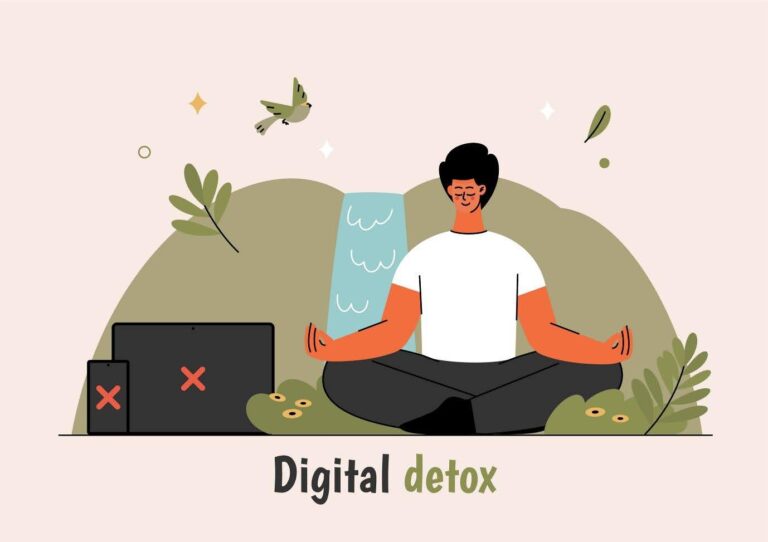
A digital detox is an intentional break or reduction in screen use, done to improve overall wellbeing. As Gen Z becomes increasingly conscious of mental and physical health, many are choosing real-life connections over constant digital engagement. This shift away from screens has proven benefits: reduced anxiety, fewer headaches, better sleep, and improved focus.
4 Benefits of Digital Detox
1. Improves Mental Health
Constant exposure to screens—especially social media—can heighten anxiety, reduce focus, and elevate stress levels. A digital detox helps lower digital overstimulation, promoting calmness and emotional stability. Studies show that cutting down on digital activities helps enhance mental wellbeing, making it easier to maintain a healthier mindset.
2. Builds Better and Stronger Social Connections
Reduced screen time encourages more face-to-face interactions. Youth who practice digital detox often report improved communication skills, stronger friendships, and deeper emotional understanding. These real-world social connections contribute significantly to personal growth and long-term wellbeing.
3. Increases Concentration and Productivity
Limiting screen distractions allows students and professionals to stay focused on their tasks. A digital detox prevents unnecessary scrolling and boosts productivity. Without constant notifications, concentration improves, leading to better academic and professional performance.
4. Fosters Creativity
When the mind gets a break from digital noise, creativity flourishes. A digital detox gives young people time to explore hobbies like painting, reading, cooking, or music—activities that enhance problem-solving skills and contribute to emotional wellbeing. Engaging in offline activities also sparks fresh ideas and innovative thinking.
How Youth Can Successfully Practice Digital Detox
While the benefits are clear, going screen-free isn’t simple. Digital habits run deep, but small changes can make the process easier:
Set fixed hours for screen usage and stick to them.
Explore new hobbies to keep the mind engaged offline.
Start real-life conversations and participate in group activities.
Turn off unnecessary notifications to reduce temptation.
Create screen-free zones like the dining table or bedroom.
Conclusion
Reducing screen time brings several benefits—mental, physical, and emotional. A digital detox improves productivity, concentration, creativity, and overall wellbeing. Although it may feel challenging at first, the youth-led shift toward mindful digital use shows that change is possible.
Start with small steps. Limit screen exposure gradually and build healthier habits over time. Real-life connections, meaningful conversations, and regular in-person interactions can make the process enjoyable and sustainable.
The positive trend is encouraging: today’s youth understand the consequences of excessive device usage and are actively choosing balance. With awareness, consistency, and community support, a healthier digital lifestyle is within reach.
References
[1] “Digital Detox.” [Online].
Available: https://health.arizona.edu/digital-detox
[2] “Digital Detox Strategies and Mental Health: A Comprehensive Scoping Review of Why, Where, and How.” [Online].
Available: https://pubmed.ncbi.nlm.nih.gov/40026988/
FAQs
Q1. What is a digital detox?
It is a short break from phones, laptops, and other screens to help the mind and body reset.
Q2. Why are young people choosing screen breaks today?
Many feel overwhelmed by constant notifications and want more balance, better focus, and real-life interactions.
Q3. How long should a break from devices last?
It varies. Some prefer a few hours daily, while others choose a full day or weekend without devices.
Q4. Can taking time away from screens improve mental health?
Yes. It reduces stress, helps clear the mind, and supports healthier emotional habits.
Q5. Does avoiding screens help with sleep?
Definitely. Staying away from bright screens before bed helps the brain relax and makes it easier to fall asleep.
Q6. What are simple ways to reduce screen usage?
Set time limits, turn off non-essential alerts, and keep devices out of reach during meals or study hours.
Q7. Will taking breaks improve productivity?
Yes. When people avoid distractions from apps and messages, they stay more focused and finish tasks faster.
Q8. Can limiting screen time boost creativity?
It can. With fewer distractions, people often explore hobbies, try new activities, and think more freely.
Q9. How can students balance online classes with breaks from devices?
They can plan short pauses between sessions, stretch, drink water, or spend a few minutes outdoors.
Q10. Is it hard to start a screen break?
It can be at first, but small steps—like keeping the phone away during meals—make it easier to form the habit.
Penned by Samidha
Edited by Jinal Kapadia, Research Analyst
For any feedback mail us at [email protected]
Transform Your Brand's Engagement with India's Youth
Drive massive brand engagement with 10 million+ college students across 3,000+ premier institutions, both online and offline. EvePaper is India’s leading youth marketing consultancy, connecting brands with the next generation of consumers through innovative, engagement-driven campaigns. Know More.
Mail us at [email protected]