
8 Vital Facts About India’s Urea Shortfall and the Potential for Domestic Fertiliser Production in the Future
Published: June 19, 2026
Key Strategy Takeaways
- • Rising demand is creating pressure on India's fertiliser supply.
- • Domestic production is being expanded through government initiatives.
- • Nano-urea and technological innovation can improve efficiency.
- • Reducing import dependence is important for agricultural security.
- • Continued investment and reforms are required for self-sufficiency.
Key Strategy Takeaways
- • Rising demand is creating pressure on India’s fertiliser supply.
- • Domestic production is being expanded through government initiatives.
- • Nano-urea and technological innovation can improve efficiency.
- • Reducing import dependence is important for agricultural security.
- • Continued investment and reforms are required for self-sufficiency.
8 Vital Facts About India’s Urea Shortfall and the Potential for Domestic Fertiliser Production in the Future
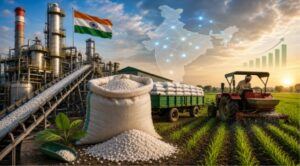
India is known for having agriculture as its main industry, where millions of farmers work, providing food security to the whole nation. One of the most important parts of agricultural production is the use of urea, which helps in increasing the production output and maintaining soil fertility. Unfortunately, India faces many problems regarding an eventual urea shortfall that might lead to problems in agricultural production until August 2026.
The question arises about the possibility of domestic manufacturing companies meeting the supply deficit of around 2 million tonnes before the start of agricultural production. The fate of the Indian fertiliser industry is determined by many factors, from manufacturing efficiency to agricultural management planning.
1. Need for understanding Indian urea requirement
The Indian agriculture industry requires nitrogenous fertilisers like urea to increase crop productivity. Crops like wheat, rice, sugarcane, and maize need fertilisers in abundance during their cultivation processes. The demand for urea rises with the start of the planting season in India. This demand is fuelled by the rise in population and, consequently, the rise in food requirements. In spite of the efforts of India to produce more fertilisers, the consumption rate still remains higher than the production rate.
2. Causes of Urea Shortage
Various causes lead to the anticipated shortage of urea by August 2026. One of the most significant reasons for this situation is the widening difference between the demand within the country and the manufacturing capabilities. Natural gas is another contributing cause since it is one of the main raw materials used in the manufacturing process of urea.
Apart from that, the unexpected closure of fertiliser plants for maintenance, transportation difficulties, and delays in importing fertilisers could lead to a shortage of urea. All these factors have been considered to pose serious threats to the safety of the fertiliser chain in the country.
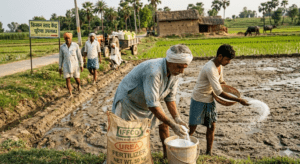
3. Initiatives by the Government to Boost Production Domestically
The Indian government has undertaken several measures to ensure that there is increased production of fertilisers within the country. There has been the revival of some defunct factories producing fertilisers to curb the country’s dependence on imports. Measures to boost industrialisation through subsidies and investment will see more efficient production.
4. Problems Faced by Local Fertiliser Manufacturing Units
Even after such efforts from the government side, there are some operational problems that the industry is facing. Energy cost is one of the main challenges faced by fertiliser producers. In addition to this, there might be technological problems associated with local fertiliser manufacturing units along with infrastructure issues and inconsistent raw material supply.
The issue of the environmental impact of chemical fertiliser production is yet another problem that industries have to consider in this regard. The industry would need to achieve a balance between higher output and environmental protection objectives.
5. Effects on Farmers and Agricultural Sector
If there were any extended period of urea shortage, it would affect the farming community directly. Lack of fertilisers might hamper agricultural production and also raise costs associated with cultivation. It might become necessary for them to buy fertilisers in local markets at expensive rates.
Small farmers would be the most susceptible since they rely on government-sponsored networks for providing fertilisers. Reduced yield may also have an effect on the price of food and the agricultural output of the nation. Thus, it is important to ensure an adequate supply of fertilisers for farmers and consumers.
6. Role of Technology and Innovations
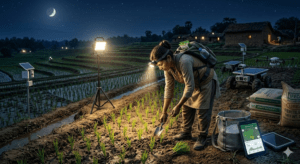
Technology is playing an increasing role in improving fertiliser management and production-process efficiency. Advanced systems of monitoring and data analytics help industries to optimise the production process. Government initiatives include promotion of nano-urea and other fertiliser technologies that will reduce dependency on urea usage. Nano-urea requires a lesser quantity but has better efficiency as compared to regular urea. Digital agriculture platforms have assisted farmers in fertiliser usage. Precision agriculture techniques are making fertiliser application easier.
7. Cut fertiliser imports
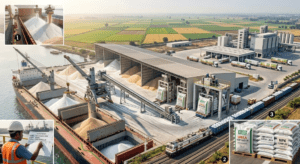
The country has been historically dependent on the import of fertiliser from other countries, including Russia, Oman and China. But now with changes in the global business environment, it has become evident that import dependence can be problematic.The focus now lies in increasing the capacity of the country’s agricultural industry through domestic manufacturing of fertilisers, which can ensure security against any external threats in the future.
8. Future Outlook for Indian Fertiliser Industry
The success of the future of India’s fertiliser industry will hinge on reforms and innovation. Provided all current initiatives are successful in their implementation and production increases steadily, it is likely that India will be able to overcome its urea deficit ahead of the target date of 2026. Nevertheless, full self-sufficiency will remain dependent on consistent development efforts.
It is thought that the introduction of innovative approaches through the use of technology, other types of fertilisers, and an enhanced supply system could contribute greatly to the problem of ensuring adequate fertiliser resources.
Frequently Asked Questions
Why is India facing a urea shortfall?
The demand for urea is increasing faster than domestic production capacity, creating supply challenges.
How is the government addressing the shortage?
The government is reviving fertiliser plants and encouraging domestic production to improve supply.
Can India become self-sufficient in urea production?
India is expanding production capacity, but complete self-sufficiency will require long-term investment and innovation.
Citations & References
Ministry of Chemicals and Fertilisers, Government of India, Annual Report on Fertiliser Sector 2025, New Delhi, India, 2025.
Food and Agriculture Organization (FAO), Global Fertilizer Market Outlook, Rome, Italy, 2024.
NITI Aayog, Indian Agriculture and Fertilizer Sustainability Report, New Delhi, India, 2025.
Indian Farmers Fertiliser Cooperative Limited (IFFCO), Fertilizer Production and Supply Chain Analysis, New Delhi, India, 2024.
Connect Your Brand with Gen-Z
Unlock high-impact youth marketing strategies with EvePaper.
Book Strategy Call