
10 Must-Know Rules for NEET Aspirants Starting Late
Published: August 30, 2026
Key Strategy Takeaways
- Treat NCERT as your ultimate guide, covering 85–90% of the exam.
- Prioritize high-weightage topics and solve at least 10–15 years of Previous Year Questions (PYQs).
- Take weekly timed mock tests and meticulously analyze recurring mistakes in an error notebook.
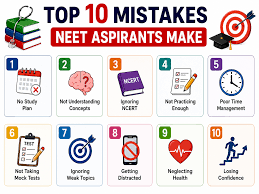
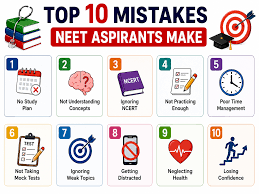
Key Strategy Takeaways
- Treat NCERT as your ultimate guide, covering 85–90% of the exam.
- Prioritize high-weightage topics and solve at least 10–15 years of Previous Year Questions (PYQs).
- Take weekly timed mock tests and meticulously analyze recurring mistakes in an error notebook.
10 Must-Know Rules for NEET Preparation Starting Late
Starting your NEET preparation late can feel like trying to board a moving train. However, thousands of students crack the examination every year by working smart. Here are some strategies given below-
1. Master the NCERT First
Do not get bogged down by heavyweight reference materials. Nearly 85–90% of NEET questions in Biology, Chemistry and Physics come directly from concepts detailed in NCERT textbooks. Treat NCERT as your Bible.
2. Prioritize High-Weightage Topics
When prioritizing high-weightage topics for your NEET preparation, analyze the last five years of exam papers to maximize your study time.Analyze the last five years of exam papers and focus heavily on high-return areas like:
- Biology: Human Physiology, Genetics and Ecology.
- Chemistry: Chemical Bonding, Coordination Compounds and Organic Reactions.
- Physics: Modern Physics, Optics and Current Electricity.
3. Build a Strict Daily Timetable
Consistency beats motivation. Divide your day into dedicated blocks for all three subjects.
Building a strict daily timetable is one of the most critical steps to succeed in late NEET preparation
4. Practice Active Recalling
Use active recall techniques like flashcards, quick formula sheets and self-quizzing immediately after studying a chapter.
5. Solve PYQs
It gives you direct insight into the exam pattern and question styles. Aim to solve at least the last 10–15 years of NEET papers.
6. Take Weekly Mock Tests
Simulating real exam conditions is important in improving time management. Take weekly timed mock tests and treat them as serious attempts rather than informal practice.
Taking timed weekly mock tests will significantly boost your NEET preparation and help you manage exam pressure.7. Analyze Your Test Mistakes Thoroughly
Spend equal time reviewing every incorrect answer or unattempted question. Maintain an error notebook to see your recurring mistakes and review them weekly.
8. Focus on Numerical Speed
Practice basic mental math, memorize common square roots and formulas and solve numerical problems daily to reduce solving time.
9. Eliminate Digital Distractions
Turn off social media notifications, set strict limits on entertainment screen time and use study apps or timers like the Pomodoro technique.
10. Protect Your Mental and Physical Health
Take short breaks during study sessions, stay hydrated, eat balanced meals and keep a positive mindset. Confidence plays a huge role on the exam day.
Table of Contents
Frequently Asked Questions
Q1: What study material is the most important for NEET if I am starting late?
NCERT textbooks are the most important, as nearly 85–90% of questions in Biology, Chemistry, and Physics come directly from these concepts.
Which Biology topics should I prioritize to maximize my score?
You should focus heavily on high-return areas like Human Physiology, Genetics, and Ecology.
What are the key Physics topics to cover first?
For Physics, prioritize high-weightage topics such as Modern Physics, Optics, and Current Electricity.
How many years of Previous Year Questions (PYQs) should I solve?
You should aim to solve at least the last 10–15 years of NEET papers to gain direct insight into the exam pattern and question styles.
How can I improve my memory retention for formulas and concepts?
Practice active recall techniques like using flashcards, quick formula sheets, and self-quizzing immediately after studying a chapter.
How often should I take mock tests?
You should take timed mock tests on a weekly basis, treating them as serious attempts to improve your time management under real exam conditions.
What is the best way to review a mock test after taking it?
Spend time reviewing every incorrect answer or unattempted question, and maintain an error notebook to review your recurring mistakes weekly.
How can I increase my numerical solving speed in Physics and Chemistry?
Practice basic mental math, memorize common square roots and formulas, and solve numerical problems daily to reduce your solving time.
How do I manage distractions while trying to cover the syllabus?
Eliminate digital distractions by turning off social media notifications, setting screen time limits, and using study timers like the Pomodoro technique.
Is a daily timetable necessary for late starters?
Yes, because consistency beats motivation. You should build a strict daily timetable that divides your day into dedicated study blocks for all three subjects.
Connect Your Brand with Gen-Z
Unlock high-impact youth marketing strategies with EvePaper.
Book Strategy Call