
PULSE 2026: What Students Should Know Before AIIMS New Delhi’s September Fest
Published: September 13, 2026
Key Strategy Takeaways
- PULSE 2026 is scheduled for September 17–21, 2026 at AIIMS New Delhi.
- Students should verify registration, identification, entry, and event requirements before attending.
- Gen Z values participation, personal expression, digital interaction, and authentic experiences.
- Brands can create stronger connections by contributing meaningfully to the student experience.
- Authenticity is increasingly important in youth-oriented event marketing.
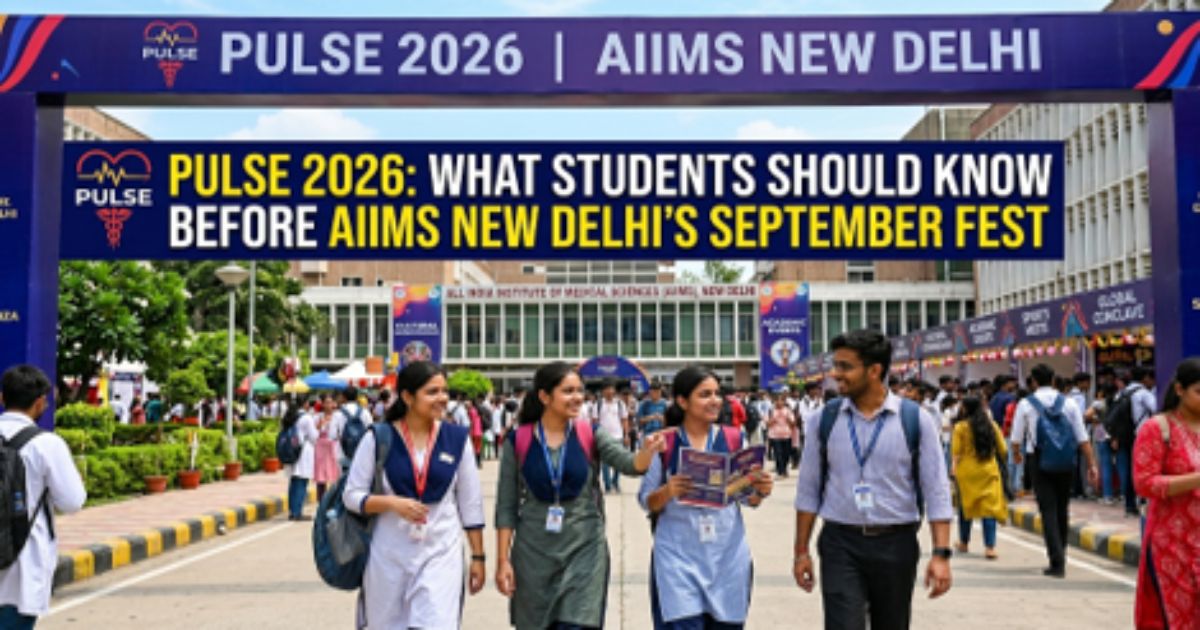
Abstract— PULSE 2026 is set to bring together students, performers, athletes, artists, and young audiences at All India Institute of Medical Sciences (AIIMS), New Delhi, from September 17 to 21, 2026. Beyond being a medical-college cultural festival, PULSE represents an important youth-facing platform where entertainment, student identity, community participation, and brand communication meet. For Generation Z (Gen Z), attending such an event is not simply about watching performances; it is also about creating experiences, sharing content, discovering brands, and participating in communities that feel authentic. This article examines what students should know before attending PULSE 2026, with particular attention to brand authenticity and Gen Z expectations.
Keywords— brand authenticity, Gen Z, student marketing, cultural festival, youth engagement, PULSE 2026.
I. INTRODUCTION
College festivals have evolved from simple cultural gatherings into large-scale experiences involving entertainment, competitions, social interaction, digital content, and brand engagement. PULSE, the annual cultural festival associated with AIIMS New Delhi, reflects this transformation. The 2026 edition is scheduled for September 17–21 and advertises five days of competitions, cultural activities, sports, scientific events, and professional shows. The festival website states that participants can take part in activities ranging from music, dance and literature to sports and scientific competitions.
For students, however, preparation should go beyond deciding which event to attend. PULSE 2026 provides an opportunity to understand how modern youth events combine experience, identity, and branding.
II. RESEARCH ANALYSIS
A. PULSE as a Student Experience
According to the PULSE 2026 information available online, the festival features multiple categories including socio-cultural events, fine arts, literary activities, sports, scientific society events, workshops, and informal competitions. This variety is significant because Gen Z audiences generally do not want to remain passive spectators. They expect opportunities to participate, create, compete, and share experiences.
Students should therefore review the event schedule in advance, identify competitions or performances of interest, and keep their registration and identification documents ready. The festival information also indicates that participants should carry their digital registration/QR information and valid college or government identification.
B. Why Brand Authenticity Matters
PULSE also provides an interesting environment for brands. Student festivals offer direct access to a young, digitally connected audience, but simply placing a logo on banners is unlikely to create meaningful engagement.
For Gen Z, authenticity can influence whether a brand feels relevant or artificial. A brand that supports an event, creates useful experiences, provides meaningful interaction, or reflects student interests can become part of the festival experience rather than appearing as an interruption.
This distinction is important for marketers. A food brand, technology company, fashion label, or financial-service provider could use interactive experiences, contests, demonstrations, or student-created content instead of relying exclusively on conventional advertising. Authentic participation can make a brand more memorable.
C. Gen Z and the Digital Festival Experience
PULSE 2026 also highlights the increasingly digital nature of student festivals. The festival information refers to digital cards, online registration, real-time notices, schedules, and digital verification systems. This reflects a wider change in youth experiences: the physical event and its digital presence are increasingly connected.
Students are therefore likely to experience PULSE before, during, and after the five-day festival. Pre-event content can influence expectations, while photographs, short videos, reviews, and social-media posts can extend the festival experience beyond the AIIMS campus.
For brands, this creates both an opportunity and a challenge. Gen Z can amplify experiences quickly, but negative or inauthentic experiences can also become visible just as quickly.
III. WHAT STUDENTS SHOULD REMEMBER
Students planning to attend PULSE 2026 should focus on four practical areas:
- Plan ahead: Check registration requirements, event schedules, venues, and entry rules before arriving.
- Protect your credentials: Use the festival’s stated registration and verification processes rather than relying on unofficial sellers or social-media claims.
- Explore beyond headline shows: Competitions, literary events, sports, arts, and scientific activities can provide more meaningful participation than simply attending concerts.
- Create responsibly: Social media can document the experience, but respectful photography and responsible content sharing are essential in a medical-campus environment.
IV. CONCLUSION
PULSE 2026 represents more than a conventional college festival. It demonstrates how student communities, entertainment, digital platforms, and brands increasingly intersect. For Gen Z, the value of an event lies not only in its scale but also in whether the experience feels genuine, participatory, and relevant.
For marketers, the lesson is equally clear: brand authenticity should be experienced, not merely advertised. For students, PULSE offers an opportunity to participate in a diverse cultural environment while creating memories, connections, and experiences that extend beyond the festival itself.
Frequently Asked Questions
What is brand authenticity at college festivals like PULSE 2026?
At festivals like PULSE 2026, brand authenticity means creating meaningful, relevant student experiences rather than just placing logos on banners.
Why does Gen Z prioritize brand authenticity?
Gen Z prioritizes brand authenticity because they easily recognize artificial advertising and expect brands to reflect genuine student interests.
How does brand authenticity improve student marketing?
High brand authenticity ensures that a company’s marketing feels like a natural part of the festival experience instead of an annoying interruption.
Can brand authenticity be measured at youth events?
Yes, brand authenticity is measured by how actively students participate in and share the interactive experiences a brand provides.
How can companies build brand authenticity at PULSE 2026?
Companies build brand authenticity by hosting interactive contests, demonstrations, and useful experiences that genuinely engage the Gen Z audience.
Why is traditional advertising failing compared to brand authenticity?
Traditional advertising often lacks brand authenticity, failing to provide the participatory, community-driven experiences that modern young audiences expect.
Does digital content impact brand authenticity?
Absolutely, digital content heavily impacts brand authenticity, as Gen Z uses social media to quickly amplify both genuine and artificial brand interactions.
How does a lack of brand authenticity harm a company?
A lack of brand authenticity can result in negative reviews and quick backlash on digital platforms, which damages the company’s youth reputation.
Is brand authenticity important for food and fashion labels?
Yes, whether it is a food brand or a fashion label, establishing brand authenticity is crucial for making the marketing effort memorable to students.
How does brand authenticity relate to student identity?
Students connect with brands that display strong brand authenticity because these brands align with their personal identity and cultural community.
Why must marketers experience brand authenticity rather than just advertise it?
Gen Z audiences demand action, meaning brand authenticity must be physically experienced through meaningful festival participation, not merely advertised.
Can scientific and literary events foster brand authenticity?
Yes, supporting specific academic or literary competitions helps companies build targeted brand authenticity by contributing to unique student interests.
Citations & References
[1] PULSE 2026, “PULSE 2026—Annual Cultural Fest, AIIMS New Delhi,” PULSE, 2026. Official PULSE 2026 website
[2] PULSE 2026, “About PULSE—The Legacy,” AIIMS Student Association, 2026. PULSE 2026—About and Legacy
[3] PULSE 2026, “Official Notices,” PULSE, 2026. PULSE 2026—Official Notices
[4] PULSE 2026, “PULSE BR Card,” PULSE, 2026. PULSE 2026—Participant Card Information
TRANSFORM YOUR BRAND’S ENGAGEMENT WITH INDIA’S YOUTH
Drive massive brand engagement with 10 million+ college students across 3,000+ premier institutions, both online and offline. EvePaper is India’s leading youth marketing consultancy, connecting brands with the next generation of consumers through innovative, engagement-driven campaigns. Know More.
Mail us at [email protected]
Connect Your Brand with Gen-Z
Unlock high-impact youth marketing strategies with EvePaper.
Book Strategy Call