
How Brand Collaborations With Student Clubs Are Paying Off in 2026
Published: October 9, 2026
Key Strategy Takeaways
- 1. Partner with student clubs to connect with Gen Z audiences through trusted campus communities.
- 2. Sponsor college festivals, technical events, cultural programs, and sports competitions to increase brand visibility.
- 3. Use student ambassador programs to build long-term relationships with college audiences.
- 4. Collaborate with student creators to produce authentic social media content.
- 5. Choose student clubs whose interests align with the brand's products, services, and marketing goals.
- 6. Offer students meaningful benefits, such as workshops, product trials, internships, and learning opportunities.
- 7. Use Instagram, YouTube, and LinkedIn to extend campus campaign reach beyond college boundaries.
- 8. Track campaign performance through event attendance, social media engagement, website visits, and registrations.
- 9. Use QR codes, referral links, and promotional codes to measure student responses.
- 10. Build long-term sponsorship partnerships instead of relying only on one-time college events.
- 11. Encourage student clubs to share honest feedback about products and brand experiences.
- 12. Create interactive activities, competitions, and workshops to make brand promotions more engaging.
- 13. Set clear sponsorship goals, budgets, timelines, and responsibilities before launching a campaign.
- 14. Maintain transparency in paid promotions and protect students' personal information.
- 15. Focus on genuine student value and trust to achieve sustainable campus marketing results.
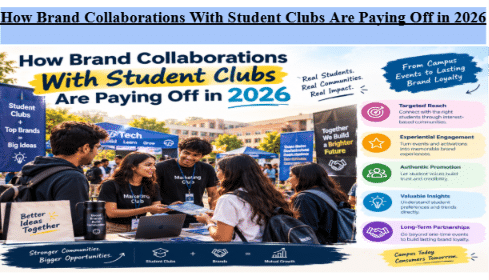
Key Strategy Takeaways
- 1. Partner with student clubs to connect with Gen Z audiences through trusted campus communities.
- 2. Sponsor college festivals, technical events, cultural programs, and sports competitions to increase brand visibility.
- 3. Use student ambassador programs to build long-term relationships with college audiences.
- 4. Collaborate with student creators to produce authentic social media content.
- 5. Choose student clubs whose interests align with the brand’s products, services, and marketing goals.
- 6. Offer students meaningful benefits, such as workshops, product trials, internships, and learning opportunities.
- 7. Use Instagram, YouTube, and LinkedIn to extend campus campaign reach beyond college boundaries.
- 8. Track campaign performance through event attendance, social media engagement, website visits, and registrations.
- 9. Use QR codes, referral links, and promotional codes to measure student responses.
- 10. Build long-term sponsorship partnerships instead of relying only on one-time college events.
- 11. Encourage student clubs to share honest feedback about products and brand experiences.
- 12. Create interactive activities, competitions, and workshops to make brand promotions more engaging.
- 13. Set clear sponsorship goals, budgets, timelines, and responsibilities before launching a campaign.
- 14. Maintain transparency in paid promotions and protect students’ personal information.
- 15. Focus on genuine student value and trust to achieve sustainable campus marketing results.
How Brand Collaborations With Student Clubs Are Paying Off in 2026
Introduction
In 2026, college campuses have become important spaces for brands looking to connect with young consumers. Students are not just learners; they are also trendsetters, content creators, event organizers, and active users of digital platforms. From technology and fashion to food, entertainment, and education, brands are increasingly finding opportunities to reach students through college clubs and campus events.
Student clubs play a major role in college life. Cultural clubs, technical clubs, entrepreneurship cells, photography groups, sports associations, and marketing clubs organize activities that bring students together. These communities provide brands with a direct way to introduce their products and services to a young audience.
Brand collaborations with student clubs are becoming more valuable because they offer benefits to both sides. Brands gain visibility, customer feedback, and opportunities to build long-term relationships with potential customers. At the same time, student clubs receive sponsorships, event support, learning opportunities, and access to industry professionals.
As digital marketing continues to evolve, these partnerships are moving beyond simple banners and promotional stalls. Brands are now exploring interactive campaigns, social media challenges, workshops, product demonstrations, and student ambassador programs. This shift is helping campus collaborations become a meaningful part of modern marketing strategies.
1. Why Brands Are Focusing on Student Communities
One of the main reasons brands collaborate with student clubs is the opportunity to connect with younger audiences. College students are often exploring new products, digital services, fashion trends, career opportunities, and lifestyle choices. Their experiences and preferences can influence what they purchase and recommend to others.
Instead of relying only on traditional advertising, companies can engage students through activities that feel relevant to their interests. For example, a technology company can partner with a coding club to conduct a programming workshop, while a sports brand can support a college tournament. Similarly, a food and beverage company might sponsor a cultural festival or organize product sampling at a campus event.
These activities allow brands to introduce themselves in a setting where students are already interested and engaged. They also help companies understand how young consumers respond to their products.
Student clubs provide another important advantage: community trust. Students may be more interested in an opportunity shared by a club they know than in a generic advertisement. However, this trust depends on the quality and honesty of the promotion. Collaborations work best when the product genuinely matches students’ interests.
2. Social Media Is Increasing the Value of Campus Partnerships
Social media has changed the way college events reach audiences. Earlier, the impact of a campus event was often limited to students who attended it. Today, photos, videos, event announcements, interviews, and short-form content can reach students across different colleges and cities.
Platforms such as Instagram, YouTube, and LinkedIn allow student clubs to promote their activities before, during, and after an event. When a brand collaborates with a club, both parties can benefit from this online visibility.
For example, a fashion brand sponsoring a college fest might collaborate with student creators to produce styling videos or behind-the-scenes content. A software company working with a technical club could share highlights from a coding competition, while a career-focused organization might publish workshop clips and student testimonials.
This approach creates more than a single promotional opportunity. Content can continue attracting attention after the event ends, especially when it is useful, entertaining, or relevant to the audience.
Brands can also evaluate campaign performance through measurable indicators such as views, reach, engagement, link clicks, registrations, and event attendance. These figures help marketers understand which activities are producing results and where future campaigns can improve.
However, a high number of likes or views does not automatically translate into sales. Brands need to connect social media activity with meaningful outcomes, such as sign-ups, product trials, qualified leads, or purchases.
3. Sponsorships Are Helping Student Clubs Grow
Brand collaborations are not beneficial only to companies. Student clubs also gain practical support that can improve the quality of their activities.
Organizing a college festival, technical workshop, business competition, or sports event requires money and resources. Clubs may need funds for venues, equipment, prizes, promotional materials, refreshments, and guest speakers. Sponsorships can reduce these financial pressures and help students organize more professional events.
A technology company might provide software access or equipment for a technical competition. A learning platform could offer free courses or certification opportunities to participants. A local business might contribute refreshments, merchandise, or financial support for a cultural event.
These partnerships can also give students valuable professional exposure. By communicating with sponsors, preparing proposals, managing promotional activities, and reporting campaign results, club members develop skills in negotiation, teamwork, project management, communication, and marketing.
Such experiences can strengthen their portfolios and provide useful examples during internship and job interviews.
For brands, supporting student clubs can create goodwill and demonstrate a commitment to education, creativity, and youth development. The strongest partnerships are those in which students receive genuine value rather than being treated only as a promotional channel.
4. Student Ambassadors Are Creating Long-Term Opportunities
One-time event sponsorships can generate attention, but some brands want to maintain a presence on campus throughout the academic year. Student ambassador programs offer one way to achieve this.
In these programs, selected students help introduce a brand to their campus community. Depending on the agreement, their responsibilities may include sharing approved information, organizing events, collecting feedback, promoting competitions, or explaining how a service works.
For example, an education platform may work with student ambassadors to promote learning resources and career workshops. A technology company might invite students to demonstrate its tools or participate in product feedback sessions. A lifestyle brand may collaborate with student creators to develop content for a specific campus audience.
The advantage of this approach is continuity. Instead of appearing only during a festival, a brand can build relationships with students over several months.
Students can also benefit through training, networking, mentorship, event experience, and clearly defined compensation or rewards where offered. Brands should establish transparent expectations and avoid asking ambassadors to make misleading claims or spam their classmates.
When these programs are managed responsibly, they can create a mutually beneficial connection between companies and student communities.
5. How Brands Measure the Success of Collaborations
In 2026, brands are becoming more focused on measuring the actual results of their campus marketing activities. Sponsoring an event or receiving social media attention is useful, but companies also want to understand whether their investment has achieved its objectives.
One important measure is event participation. The number of students attending an event helps brands understand how many people had an opportunity to interact with them. Social media engagement is another useful indicator because it shows whether students are responding to the campaign.
Brands may also track website visits, QR code scans, app downloads, discount code usage, registrations, product trials, and purchases. These indicators help companies identify which activities attract attention and encourage further action.
For example, suppose a brand sponsors a college entrepreneurship event. The company could measure the number of attendees, workshop registrations, website visits generated through a campaign QR code, and feedback collected after the event. By comparing these results with the campaign’s goals and expenses, the brand can make better decisions about future sponsorships.
Student clubs can also benefit from this approach. By sharing a clear report with sponsors, they demonstrate professionalism and make it easier to establish future partnerships.
The important lesson is that successful collaborations should be evaluated using meaningful results rather than visibility alone. Clear objectives, reliable data, and honest reporting help both sides understand the value of their efforts.
6. Challenges Brands and Student Clubs Must Overcome
Although campus partnerships offer several advantages, they also involve challenges. One common problem is choosing the wrong audience. A brand may invest in a large event but receive limited engagement if its products or services do not match student interests.
Another challenge is poor communication. Student club leaders may change each academic year, and members often balance event planning with examinations, assignments, and internships. Without clear responsibilities and deadlines, promotional activities can be delayed or missed.
Budget limitations can also affect smaller student clubs. Some organizations may struggle to attract sponsors because they lack previous event records, audience data, or professional sponsorship proposals. Brands, meanwhile, need to ensure that the expected benefits justify their investment.
There is also a risk of excessive promotion. Students may lose interest if every club activity becomes an advertisement. Partnerships can damage trust when students feel pressured to purchase products or share promotional messages without understanding the benefits.
To avoid these problems, brands and clubs should agree on their objectives, responsibilities, timelines, deliverables, and reporting methods before starting a campaign. They should also follow college policies and respect students’ privacy.
Transparency is particularly important when students receive payment, gifts, or other benefits for promoting a product. Promotional content should be clearly disclosed where required, and personal information should only be collected with appropriate consent.
By addressing these challenges early, brands and student clubs can build stronger relationships and create more successful campaigns.
7. What the Future Holds for Campus Brand Collaborations
The future of campus marketing is likely to involve more personalized, interactive, and measurable experiences. Instead of sponsoring only large festivals, brands can work with smaller clubs that have specific interests and highly engaged members.
For example, a company developing artificial intelligence tools could collaborate with a coding club to organize a practical workshop. A financial services company could support a financial literacy session, while an environmental organization could partner with a campus sustainability club to promote responsible consumption.
Artificial intelligence and analytics tools may also help marketers understand campaign performance, organize feedback, and identify which activities are most relevant to different student communities. However, these tools should support genuine engagement rather than replace personal relationships.
Another promising direction is the combination of online and offline activities. A college event can introduce a product in person, while student-created videos and social media discussions extend the experience beyond campus. This approach allows brands to maintain engagement even after an event has finished.
Long-term partnerships may become increasingly valuable as companies seek to build familiarity and trust instead of depending on one-time promotions. When a brand consistently supports useful student activities, its presence can become associated with learning, creativity, and community development.
Nevertheless, future success will depend on relevance, transparency, and mutual benefit. Brands that understand student needs and respect campus culture will have better opportunities to develop lasting relationships.
Conclusion
Brand collaborations with student clubs are becoming an important marketing opportunity in 2026. These partnerships connect companies with young audiences through college festivals, workshops, technical competitions, sports events, cultural programs, and student ambassador initiatives.
For brands, the benefits include increased awareness, direct audience engagement, valuable feedback, product trials, and opportunities to measure campaign performance. For student clubs, collaborations can provide financial assistance, event resources, professional exposure, networking opportunities, and practical experience.
However, successful partnerships require more than sponsorship money or promotional posts. Brands must choose relevant student communities, provide genuine value, communicate clearly, and measure outcomes responsibly. Student clubs must also deliver agreed activities while protecting their credibility and their members’ interests.
As marketing continues to evolve, campus collaborations can become more creative, data-driven, and community-focused. The most successful partnerships will be those in which brands do not simply advertise to students but work with them to create meaningful experiences.
Ultimately, the real value of brand collaborations lies in building relationships that benefit both businesses and student communities. When these partnerships are planned carefully and executed authentically, they can create lasting value beyond a single event or marketing campaign.
Frequently Asked Questions
1. What are brand collaborations with student clubs?
Brand collaborations with student clubs are partnerships in which companies work with college organizations to promote products, sponsor events, organize workshops, or engage students through marketing activities.
2. Why are brands partnering with student clubs in 2026?
Brands are partnering with student clubs to reach Gen Z audiences, improve brand awareness, build trust, and create meaningful connections with college students.
3. How do student clubs benefit from brand collaborations?
Student clubs can receive sponsorship funds, event resources, free products, workshop opportunities, professional mentorship, and industry exposure through brand partnerships.
4. Which types of brands collaborate with college student clubs?
Technology companies, fashion brands, food and beverage businesses, educational platforms, sports brands, and financial service providers may collaborate with student clubs.
5. How do brands measure the success of campus marketing campaigns?
Brands measure success using event attendance, social media engagement, website traffic, QR code scans, registrations, product trials, and sales conversions.
6. What role do student brand ambassadors play in marketing?
Student brand ambassadors help companies promote products, organize campus activities, share approved content, collect feedback, and build relationships with fellow students.
7. How does social media improve student club collaborations?
Social media platforms such as Instagram, YouTube, and LinkedIn help student clubs extend campaign reach, share event highlights, and engage audiences beyond their campuses.
8. Are brand collaborations beneficial for small student clubs?
Yes. Small student clubs can partner with local businesses and emerging brands to secure resources, improve event quality, develop professional skills, and build industry connections.
9. What challenges do brands face when collaborating with student clubs?
Common challenges include limited budgets, poor communication, low student participation, audience mismatch, and difficulty measuring campaign results.
10. What makes a student club brand collaboration successful in 2026?
A successful collaboration combines clear objectives, relevant audiences, creative activities, transparent communication, measurable results, and genuine benefits for both brands and students.
11. How can student clubs attract brand sponsorships in 2026?
Student clubs can attract sponsors by creating professional proposals, sharing event details, highlighting audience reach, showcasing previous results, and explaining the benefits brands will receive.
12. What marketing strategies work best for campus brand collaborations?
Interactive workshops, product demonstrations, social media campaigns, campus competitions, student ambassador programs, and event sponsorships can help brands engage college audiences.
13. How can brands build long-term relationships with student clubs?
Brands can build lasting relationships by offering consistent support, organizing regular activities, providing learning opportunities, maintaining clear communication, and understanding student interests.
14. Do brand collaborations with student clubs help increase sales?
Yes, they can contribute to sales by introducing products to relevant audiences, encouraging product trials, and providing special offers. However, actual results depend on the campaign, product relevance, and student response.
15. What is the future of brand collaborations with student clubs?
The future may include more personalized campaigns, AI-powered marketing insights, digital ambassador programs, creator partnerships, and measurable campus experiences that benefit both brands and students.
Connect Your Brand with Gen-Z
Unlock high-impact youth marketing strategies with EvePaper.
Book Strategy Call