
Why an Event Management Career Is Booming Among College Students in 2026?
Published: October 12, 2026
Key Strategy Takeaways
- Treat campus festivals as practical opportunities to develop professional skills.
- Build entrepreneurial experience by organizing manageable events and learning from each project.
- Develop budgeting, negotiation, leadership, and crisis management capabilities.
- Use event portfolios to demonstrate individual responsibilities and measurable results.
- Explore internships and networking opportunities to gain industry exposure.
- Learn digital marketing, project management, and event safety fundamentals.
- Research entry-level roles and career expectations before choosing a professional path.
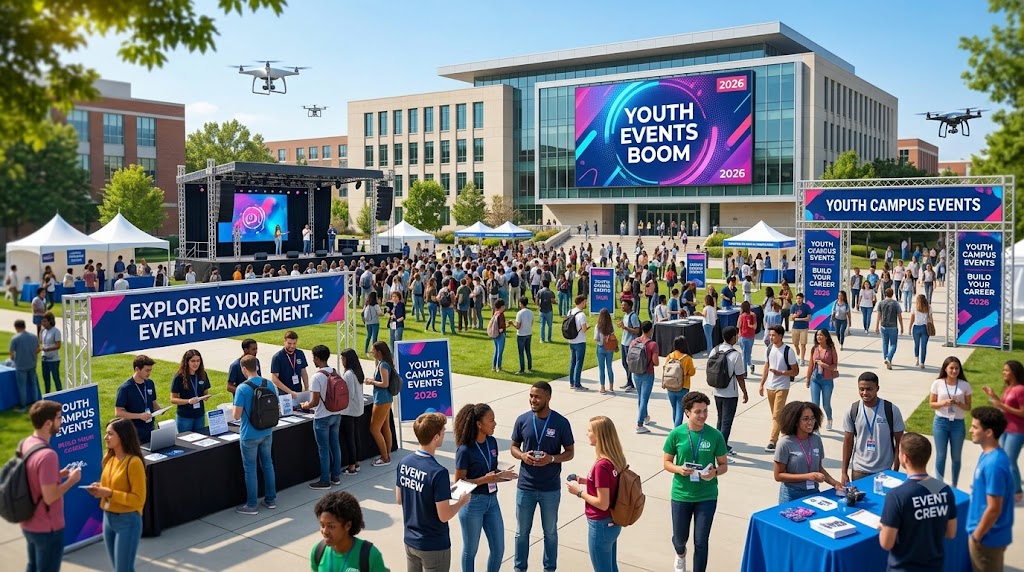
Table of Contents
Key Strategy Takeaways
- Treat campus festivals as practical opportunities to develop professional skills.
- Build entrepreneurial experience by organizing manageable events and learning from each project.
- Develop budgeting, negotiation, leadership, and crisis management capabilities.
- Use event portfolios to demonstrate individual responsibilities and measurable results.
- Explore internships and networking opportunities to gain industry exposure.
- Learn digital marketing, project management, and event safety fundamentals.
- Research entry-level roles and career expectations before choosing a professional path.
7 Reasons Why Students Are Choosing It
The days of college festivals being limited to talent shows and food stalls are long gone. Today, campus cultural and technical fests have evolved into large-scale spectacles that attract major sponsors, celebrity performers, and thousands of attendees. As these campus events grow in complexity, rivaling professional concerts and corporate galas, a new professional pathway has emerged.
What was once seen as an extracurricular distraction is now laying the foundation for lucrative futures, making an event management career an increasingly attractive choice for college students.
From coordinating performances to negotiating sponsorship deals, students are discovering that campus events offer much more than entertainment. They provide opportunities to develop business skills, build professional networks, and gain practical experience before graduation.
As the events industry continues to create opportunities across entertainment, marketing, hospitality, and corporate communications, students are increasingly exploring how these experiences can shape their future careers.
The Rise of the Student Entrepreneur
Modern campus activities require advanced logistical planning, marketing strategies, and effective budgeting. As a result, the growth of fest culture has created opportunities for student-led event management companies. Young people are no longer waiting until graduation to establish their businesses; instead, they are creating small event agencies and organizing teams directly within their universities
Growing fest culture is fueling demand for student-run event management ventures, creating opportunities for students to gain practical experience through campus competitions, workshops, and event-organizing activities.
From securing sponsorships to managing ticket sales and controlling crowds, these student-led initiatives often operate like small businesses. Students learn to coordinate multiple responsibilities, communicate with vendors, promote events, and deliver results within limited budgets.Such an environment allows young entrepreneurs to gain practical experience before entering the professional workforce. Rather than relying exclusively on classroom lessons, they can apply their knowledge to real projects and understand how business decisions affect outcomes.
By the time they graduate, students who have consistently organized events may already possess a portfolio of completed projects. College grounds effectively become a live-action business simulator, where creativity, planning, teamwork, and problem-solving come together.
How Student-Led Event Agencies Create Opportunities
A student-led agency can begin with a relatively small project, such as organizing a departmental seminar, managing a club event, or promoting a campus competition. Over time, the team can take on larger responsibilities, including cultural festivals, sponsor partnerships, and intercollege events.
Students can divide responsibilities according to their interests and strengths. One person may manage promotions, another may coordinate vendors, while others handle finances, registration, and event operations.
This would expose them directly to event management career basics functions.This approach creates opportunities to experiment with business models, understand customer expectations, and build a network of contacts. It also helps students discover whether entrepreneurship, marketing, operations, or client management suits their interests.
Translating Campus Chaos into Corporate Skills
The transition from organizing college events to working in the professional events industry can be remarkably seamless. Managing a campus event teaches both technical and interpersonal skills under pressure.
Financial Acumen: Core team members frequently manage budgets running into lakhs, forecast potential cost overruns, track sponsorship income, and coordinate vendor payments. These responsibilities introduce students to financial planning and accountability.
Crisis Management: Resolving a sound system failure during a performance or responding to a sudden surge in attendance develops resilience and quick decision-making. Students learn to identify problems, prioritize safety, and find practical solutions.
Negotiation: Pitching to brands for festival sponsorships develops communication, persuasion, and business-to-business marketing skills. Students learn how to present proposals, explain audience value, and negotiate mutually beneficial arrangements.
Leadership Under Pressure: Delegating tasks to student volunteers while managing deadlines and competing priorities mirrors the project management responsibilities found in professional event agencies.
These skills can be valuable across several industries, not just event management. Employers in marketing, public relations, hospitality, sales, and operations also value candidates who can coordinate people, manage deadlines, and solve unexpected problems.
Why an Event Management Career Appeals to Students?
1. Practical Experience Beyond the Classroom
Academic learning provides the theoretical foundation for professional success, but practical experience helps students understand how workplace responsibilities operate in real situations.
Organizing a college fest requires students to manage schedules, coordinate teams, communicate with suppliers, and respond to last-minute changes. These responsibilities provide opportunities to apply concepts such as budgeting, marketing, and project management.
For students considering an event management career, this experience can help bridge the gap between academic qualifications and workplace expectations.
2. Early Exposure to Entrepreneurship
Campus events can introduce students to the fundamentals of running a business. They may need to prepare proposals, approach sponsors, estimate costs, negotiate with vendors, and evaluate whether an event meets its objectives.
Students who enjoy these responsibilities can gradually explore freelance event planning or establish small event management teams. Starting with manageable projects allows them to learn from mistakes while building their confidence.
However, entrepreneurship also requires financial discipline, reliable partnerships, and an understanding of legal, safety, and contractual responsibilities.
3. Opportunities to Build Professional Networks
Successful events often bring students into contact with brand representatives, performers, venue managers, production teams, alumni, and industry professionals.
Maintaining these relationships can help students learn about industry expectations, discover potential internships, and receive guidance from experienced professionals.
Networking is most effective when students communicate professionally, meet commitments, and follow up respectfully after an event. A strong reputation can become an important asset when they begin applying for jobs.
4. Development of Marketing and Communication Skills
Promoting a campus fest involves much more than creating attractive posters. Student organizers may need to identify target audiences, plan social media campaigns, develop promotional partnerships, and encourage registrations.
They can also learn how to communicate with sponsors, write event descriptions, coordinate publicity, and assess audience engagement.
These experiences are relevant to student careers in digital marketing, brand management, public relations, advertising, and communications. Students can strengthen their portfolios by documenting campaign objectives, promotional materials, audience responses, and lessons learned.
5. Exposure to Multiple Career Paths
Event management combines several professional functions, making it relevant to students with different interests.
Those who enjoy logistics may prefer event operations. Students who like building relationships may be drawn to sponsorships and client servicing. Creative individuals may explore stage production, event design, entertainment programming, or experiential marketing.
This flexibility helps students identify their strengths before committing to a specific professional direction.
6. A Portfolio That Demonstrates Real Results
A well-documented event can provide evidence of a student’s capabilities. Instead of simply stating that they participated in a college festival, students can describe their specific responsibilities and achievements.
A portfolio might include an event brief, a sample budget, a marketing plan, a sponsorship proposal, a schedule, and a post-event evaluation. Photographs and promotional materials can also demonstrate involvement, provided the student has permission to use them.
Whenever possible, students should include measurable outcomes, such as registrations handled, volunteers coordinated, sponsors secured, or campaign engagement achieved. Accurate evidence makes their experience easier for recruiters to assess.
7. A Dynamic and Creative Working Environment
Unlike roles that involve largely repetitive responsibilities, event management can require students to work on different formats, audiences, themes, and objectives.
A cultural festival may focus on entertainment, while a corporate conference may prioritize networking and professional communication. A brand activation may emphasize customer interaction, while a charity event may focus on fundraising and awareness.
This variety can appeal to people who enjoy creative problem-solving, collaboration, and fast-moving environments. However, students should also understand that event work can involve irregular hours, tight deadlines, travel, and considerable pressure.
Redefining Student Careers Through Campus Events
The events industry includes activities such as destination weddings, brand activations, corporate conferences, exhibitions, concerts, and large-scale cultural festivals. These different formats create opportunities for people with skills in planning, production, logistics, marketing, and client management.
For student careers, practical experience can provide an important advantage. Recruiters may value candidates who can demonstrate that they have coordinated teams, managed deadlines, handled budgets, or contributed to successful campaigns.
A student who has helped organize a three-day national college festival may have useful experience in scheduling, vendor coordination, audience management, and contingency planning. Nevertheless, campus experience does not automatically replace formal training or professional experience. Its value depends on the student’s responsibilities, results, and ability to explain what they learned.
The events industry, both in India and globally, is experiencing growth, driven by destination weddings, brand activations, and large-scale cultural festivals. The live events economy in India highlights the industry’s development and its wider economic potential. Because of this growth, recruiters at event management companies increasingly value graduates with practical campus event experience.
Career Opportunities After College
Students who develop relevant skills can explore several entry-level roles, depending on their qualifications and experience.
Event coordinator: Assists with schedules, suppliers, registrations, logistics, and event-day operations.
Event marketing executive: Supports promotional campaigns, audience outreach, social media, and event communications.
Sponsorship executive: Helps identify potential partners, prepare proposals, and maintain sponsor relationships.
Brand activation specialist: Supports live brand experiences, promotional activities, and consumer engagement.
Production assistant: Helps coordinate technical arrangements, stage requirements, equipment, and production teams.
Conference and exhibition assistant: Supports professional events, exhibitor coordination, attendee communication, and venue logistics.
Freelance event planner: Works on selected projects for clients, subject to relevant business and contractual requirements.
Compensation varies considerably according to location, employer, event type, qualifications, and responsibilities. Students should research current vacancies and salary information rather than assume that every entry-level position offers a high starting salary.
Students who want to understand professional practices and emerging trends can explore industry white papers published by EEMA for additional perspectives on Ind
How College Students Can Turn Event Experience into Career Success
Participating in campus festivals is a useful starting point, but students need a deliberate strategy to turn their experience into professional opportunities.Start Small and Take Responsibility
Students can begin by helping organize a club meeting, academic seminar, workshop, or departmental competition. These smaller events provide opportunities to understand basic planning before moving on to larger festivals.
Taking responsibility for one defined area, such as registration or publicity, can be more valuable than joining a large organizing committee without clear duties.
Build a Professional Event Portfolio
Students should document their work throughout each project. Useful materials include planning documents, promotional campaigns, schedules, budget summaries, photographs, and post-event reports.
They should explain their individual contributions clearly and avoid claiming results achieved by the entire team as their own.
Learn Digital Tools and Industry Basics
Spreadsheet software, project management platforms, design applications, registration systems, and social media analytics can support event planning and execution.
Students should also learn about contracts, permissions, accessibility, emergency procedures, and crowd safety. Professional event management involves protecting attendees and staff as well as delivering an engaging experience.
Seek Internships and Mentorship
Campus experience becomes more valuable when students supplement it with professional exposure. Internships, part-time roles, and opportunities to assist established event agencies can introduce them to industry standards and client expectations.
Seeking feedback from faculty coordinators, alumni, and experienced organizers can also help students identify weaknesses and improve their working methods.
Students can also explore student workshops and campus opportunities to discover competitions, workshops, and other activities that can help them develop practical skills and strengthen their professional profiles.The Business Side of College Festivals: Sponsorships and Budgeting
Sponsorship is often central to large campus festivals because it can help fund venues, equipment, performances, publicity, and other expenses. Managing these relationships teaches students how to connect event objectives with business goals.
A sponsorship proposal should explain the event’s audience, expected reach, promotional opportunities, partnership benefits, and available sponsorship packages. Students should avoid making unsupported promises about attendance or publicity.
Budgeting is equally important. An event team should estimate income and expenses, track committed payments, compare supplier quotations, and maintain a contingency reserve where possible.
For example, if a college team plans a cultural festival, it might compare venue and production costs against ticket revenue and confirmed sponsorships. If expected income falls short, the team may need to revise its plans, negotiate costs, or seek additional funding before making commitments.
These activities teach students that a successful event is not measured by attendance alone. Financial control, sponsor satisfaction, safety, and participant experience also matter.
Challenges Students Must Understand Before Choosing This Career
Although an event management career can be rewarding, it is not free from challenges. Students should understand the demands of the profession before committing to it.
Long and irregular working hours: Events may require early starts, late finishes, weekend work, and intensive preparation.
Unpredictable problems: Equipment failures, weather disruptions, vendor delays, and changes in attendance can affect event delivery.
Budget constraints: Organizers must balance creative ambitions with available resources and financial commitments.
Client and team expectations: Event professionals need to communicate clearly, handle disagreements, and maintain realistic timelines.
Safety and compliance: Crowd management, emergency planning, venue permissions, and applicable regulations must be treated as essential responsibilities.
Students can prepare for these challenges by developing organizational habits, learning from experienced professionals, and taking safety and financial planning seriously.
The Verdict: Can Campus Events Shape Your Future Career?
The growing complexity of college festivals has changed how students view extracurricular activities. Campus events are no longer simply opportunities to socialize; they can also serve as practical training grounds for entrepreneurship, marketing, leadership, and project management.
For students who approach these responsibilities seriously, an event management career can offer a route into a varied professional field. The experience gained through planning events, managing budgets, building partnerships, and coordinating teams can also support other student careers across marketing, hospitality, communications, and business operations.
The key is to treat every event as a learning opportunity. By building a credible portfolio, developing transferable skills, seeking professional guidance, and understanding the industry’s demands, college students can turn campus experience into a stronger foundation for their future.
Frequently Asked Questions
1. Why is an event management career popular among college students?
It offers practical experience in planning, marketing, budgeting, leadership, and networking while allowing students to explore professional interests before graduation.
2. Can college students start an event management business?
Yes. Students can begin with small events, provided they plan budgets, obtain necessary permissions, manage responsibilities carefully, and meet applicable legal requirements.
3. What skills do students gain from organizing college festivals?
They can develop communication, negotiation, teamwork, financial planning, time management, problem-solving, and crisis management skills.
4. What jobs can students pursue after college?
Possible entry-level roles include event coordinator, event marketing executive, sponsorship executive, production assistant, and conference or exhibition assistant.
5. Does campus event experience improve employability?
Possible entry-level roles include event coordinator, event marketing executive, sponsorship executive, production assistant, and conference or exhibition assistant.
6. Is event management a suitable career for creative students?
It can suit creative students who enjoy planning experiences, developing concepts, coordinating people, and solving problems under deadlines.
7. How can students prepare for a career in event management?
They can organize campus events, build a portfolio, learn relevant digital tools, pursue internships, and develop knowledge of budgeting, logistics, and safety.
8. How Can You Build a Career in Event Management?
To build a career in event management, students can pursue relevant courses, organize college events, gain internships, and develop skills in budgeting, marketing, logistics, and communication. Building a portfolio of completed projects can also improve job opportunities.
9. Is Event Management a Good Career in India?
Yes, event management can be a promising career in India due to opportunities in weddings, corporate events, concerts, exhibitions, college festivals, and brand activations. Career growth depends on practical experience, networking, creativity, and professional skills.
10. How Can You Get Admission to an Event Management Course After Class 12?
Students can apply for undergraduate event management courses after completing Class 12 from a recognized board. They should research colleges, check eligibility criteria, compare course fees, and review admission procedures. Depending on the institution, admission may be based on Class 12 marks, an entrance examination, or an interview.
Connect Your Brand with Gen-Z
Unlock high-impact youth marketing strategies with EvePaper.
Book Strategy Call