
The Evolution of Student Rights in the Digital Age
Published: October 13, 2026
Key Strategy Takeaways
- Student freedom of speech in public schools is protected by constitutional principles, subject to applicable legal limits.
- The Tinker v. Des Moines decision established an important standard for restrictions on student expression.
- Mahanoy Area School District v. B.L. clarified that schools have a more limited interest in regulating off-campus student speech.
- FERPA provides eligible students and parents with rights concerning access to and disclosure of covered education records.
- School monitoring software can support safety efforts but may raise concerns about student privacy and expression.
- Students should understand school technology policies, protect their personal information, and use appropriate appeal procedures.
- Schools, families, and students should balance safety, privacy, learning, and freedom of expression.
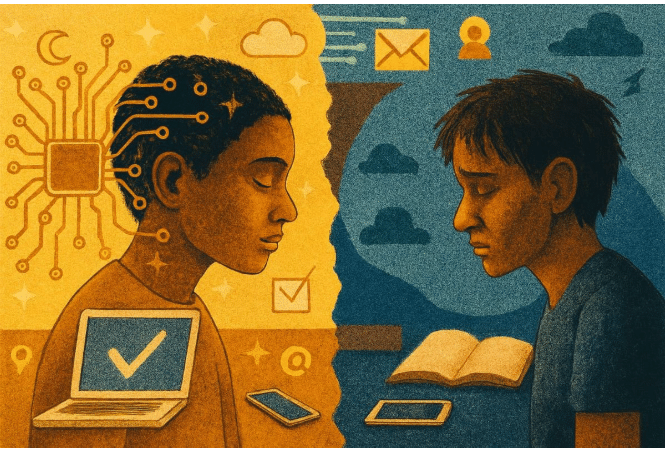
Student rights in the digital age requires schools to balance legitimate safety concerns with students’ privacy and freedom of expression.
Key Strategy Takeaways
- Student freedom of speech in public schools is protected by constitutional principles, subject to applicable legal limits.
- The Tinker v. Des Moines decision established an important standard for restrictions on student expression.
- Mahanoy Area School District v. B.L. clarified that schools have a more limited interest in regulating off-campus student speech.
- FERPA provides eligible students and parents with rights concerning access to and disclosure of covered education records.
- School monitoring software can support safety efforts but may raise concerns about student privacy and expression.
- Students should understand school technology policies, protect their personal information, and use appropriate appeal procedures.
- Schools, families, and students should balance safety, privacy, learning, and freedom of expression.
Table of Contents
Student rights in the digital age involve freedom of speech, online privacy, and school surveillance. As technology becomes part of everyday education, understanding how schools balance student expression, safety, and privacy is increasingly important.
Frequently Asked Questions
1. What are student rights in the digital age?
Student rights in the digital age include protections related to freedom of speech, educational privacy, online expression, and personal information, subject to applicable laws.
2. What was the significance of Tinker v. Des Moines?
The 1969 Supreme Court decision recognized students’ First Amendment rights in public schools and established an important standard for restricting student expression.
3. How does the First Amendment protect students online?
The First Amendment may protect student expression online, including some off-campus speech. The protection depends on the circumstances and applicable law.
4. Can schools punish students for social media posts made at home?
Schools have a more limited interest in regulating off-campus speech, but certain serious threats, harassment, or other conduct may justify intervention under applicable law.
5. What did Mahanoy Area School District v. B.L. establish?
The 2021 Supreme Court decision emphasized the limits of school authority over off-campus student speech while recognizing that some circumstances may justify school action.
6. What is FERPA?
FERPA is a United States federal law that protects covered education records and provides eligible students and parents with certain rights concerning those records.
7. Can schools monitor student activity on school-issued laptops?
Schools may monitor activity under applicable laws, institutional policies, and the circumstances. Students should review their school’s technology policies.
8. Does FERPA protect all information collected by a school?
No. FERPA applies to covered education records, not automatically to every piece of information a school collects.
9. What privacy risks can online exam monitoring create?
Online exam monitoring may collect information about students, their devices, or their surroundings. The risks depend on the software and how the institution uses it.
10. Can school surveillance affect freedom of expression?
Monitoring can make students hesitant to express themselves if they believe their online activity is constantly observed. The impact depends on the monitoring practices and circumstances.
11. How can students protect their digital privacy at school?
Students can review school policies, use strong passwords, limit unnecessary sharing of personal information, and ask how their data is collected and retained.
12. What should students do if they believe their speech rights have been violated?
Students can document the incident, review school policies, use the school’s appeal process, and seek qualified legal guidance when appropriate.
13. Are student rights at school identical to adults’ rights?
Not always. Students have important legal protections, but how those protections apply can differ depending on the right, the school setting, and the circumstances.
14. Why is digital citizenship important for students?
Digital citizenship helps students communicate responsibly, respect others online, understand privacy, and recognize the potential consequences of sharing content.
15. How can schools balance student safety and digital privacy?
Schools can establish clear monitoring policies, explain their data practices, limit unnecessary access to information, and use proportionate safety measures while respecting student rights.
Citations & References
References
[1] Tinker v. Des Moines Indep. Cmty. Sch. Dist., 393 U.S. 503, 1969. [Online]. Available: https://www.law.cornell.edu/supremecourt/text/393/503
[2] Area Sch. Dist. v. B.L., 594 U.S. 180, 2021. [Online]. Available: https://www.law.cornell.edu/supremecourt/text/20-255
[3] Family Educational Rights and Privacy Act (FERPA), 20 U.S.C. 1232g; 34 C.F.R. Part 99. [Online]. Available: https://studentprivacy.ed.gov/ferpa
Connect Your Brand with Gen-Z
Unlock high-impact youth marketing strategies with EvePaper.
Book Strategy Call