
Eco-Friendly Hostel Hacks for Sustainable Living
Published: October 18, 2026
hostel sleep hacks
Introduction
Hostel life is loud, crowded and full of fun. It is also full of waste, and most of us never take a second thought about it. A fan keeps running in an empty room after an afternoon filled with classes and friends, until someone picks the bucket over the sink and walks away. Snacks pile up on the study table until the weekend without a thought from anyone. You have classes, assignments, exams and friends. And small things tend to pass unnoticed.
The problem is that small things add up, and across a floor, over a month, they end up as an electricity bill, a water bill and mountains of plastic outside the door.
The good news is that you do not have to change your life, or pay anything. You just need a few habits, and a few extra thoughts. This article deals with the ones that can easily get you started, with simple instructions to follow this week.
Electricity: starting with the switches
Electricity is an easy place to start. All that you need are a few extra seconds, and no extra rupees. Imagine a common scenario: morning rush, you pick up the bag and leave, the light was on, the fan running and the phone charger still in the socket. But no one there to check.
Multiply that everywhere in the hostel, and you get that hefty electricity bill.
It’s a boring solution, but the best one. Before you step out of your room, check the switches.
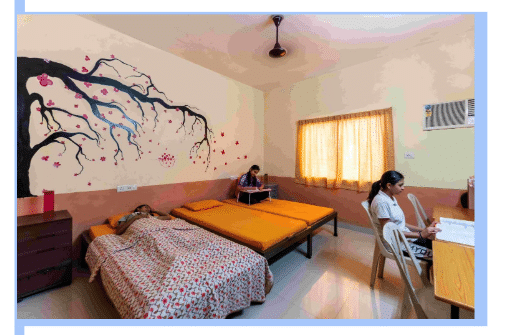
It’s a habit that can easily bind with the one of picking up your bag, you have two weeks to develop it, and then your brain would do it without you asking. Natural light makes for a great companion. If your room has a window, open the curtain during the day, and you save electricity by using a tube light only during the night.
If space allows, move your study table closer to the window. Not only will you save electricity, but also strain your eyes less. A small desk lamp will do just fine at night, and your roommate will thank you for not blinding him in the process.
Now, the AC. In an Indian summer it’s not a luxury and no one is expected to sit through that heat, but the point is to avoid waste. Set the AC to a comfortable temperature, not to the point of freezing and always keep the doors and windows closed. Turning it off when you leave for a long time is also a good habit to build.
No AC in your room? Then you have a fan, and do remember to clean it occasionally. A dusty fan only pushes you to waste more electricity, and the habit will stay with you wherever you go.
Water: waste that goes unnoticed
The waste of water that we usually tend to make is very subtle. We don’t even think about it. You take a shower, you go to the bathroom, you brush your teeth. All these things we do every day without a second thought.
Start with the bathroom. Turn off the tap while you brush, or while you are soaping your hands. Take short showers. Stop the running water while you are cleaning your hair. There is no need for rushing, or thinking that every drop of water is being wasted. Just make sure that you do not have running taps when you do not need them.
Leaks are the real silent killers. If a tap is leaking at night, or the toilet keeps running, do inform the warden or the maintenance department. It is not your responsibility to fix it, but a leaking tap can waste more water than you save by taking short showers. No one will save water if no one points it out.
Now on to laundry. If you wash your clothes by hand, use a bucket of water, and never ever leave the tap running. If your hostel has washing machines, do fill them to the brim, and never put in two or three shirts as a full load. It’s a waste of electricity, water and your clothes will be dirty if it’s underloaded.
Some of the water that you use can be saved and recycled. The water that you used for washing vegetables, with no soap and no chemicals, is great for watering plants. The water that you have used for washing dirty clothes is not. Make sure that you recycle only clean water, if you want to avoid germs and bacteria.
Plastic: what to do with the things that you throw?
Try this for a week. Keep a track of how much plastic is coming into your room. A packet of chips here, a bottle of cold drink there. It adds up, faster than you would imagine.
You don’t have to give up your snacks and your online shopping. The idea is to look at the things that you use again and again, and try to find a reusable solution.
A simple water bottle is a great way to start. Fill it up before you go out, and you don’t have to waste a packet of water every time you are thirsty. Carrying a cloth bag in your bag is a good idea as well, to carry your groceries and your office supplies. If you go to the mess a lot, you can carry your own spoon and fork as well.
Now you might be thinking that you already own most of the things listed above. And you are right. Using the bottle that you have in your kitchen is a much better alternative to buying a new one, because you are still using plastic. Same goes for your lunchbox. You need not get a new one, to carry your lunch in the mess.
Extra packaging is another area to cut on. When you order your food online, or even from the canteen, refuse extra spoons, napkins and the sachets that come with your food. All you need is a plate, as you are also likely to have a spoon at home.
Recycling can be different for different hostels. Some have separate bins for dry and wet waste, some have only one, and some only take certain items. You need to find out what works best for you, and stick to it. Keep your recyclables clean and dry, and do not mix them with food waste. But do remember that the best way is to not generate waste to begin with. Recycling is only a second best option, and a lot of the time, it doesn’t work the way you want it to.
Food: don’t throw away what you paid for
Mess food gets wasted in hostels, in ridiculous amounts. You are hungry and you take a lot on your plate, but you finish half your meal and have to throw the other away.
Take small portions. Nobody counts the number of times that you went to the mess, so you can always take more if you are still hungry.
If your mess has an option to register for meals, or to report when you will not be coming, do take advantage of it. It will cut down on the amount of food that goes into the bin, and also help you keep track of your own food habits.
Now on to groceries. You see something that you like and go for an impulse buy. You have bananas, biscuits, milk and snacks for the week. But then exams come and your snacks remain forgotten in your cupboard.
Buy only what you need to avoid a lot of waste. And before you buy, check what you have. Avoid buying anything that would be expired by the time that you finish using it, especially if you do not have a fridge. In hot weather, certain foods only last for a day or two, and need to be stored properly.
One rule of thumb to avoid waste is to never eat foods that have been stored incorrectly in order to justify throwing them away. Your health should be a priority over your love of snacks.
Leftover food can be saved, if you have the proper storage and the permission of the mess. If you are a vegetarian, keep cooked vegetables and other food in the fridge for your next meal. But remember that food that has been outside for hours is not safe to eat, just because it may look or smell fine.
Your room: own less and use more
A hostel room is small to begin with, and with clothes, books, chargers, packets and random things that you bought on a whim, your desk becomes nonexistent.
Adequate organization not only helps you look good, it saves you money as well. If you know where your things are, you do not have to buy them again. If your notebook disappeared, do not go and buy a new one. Spend ten minutes looking around, and maybe you will find your notebook under the bed, along with two pens that you had forgotten about.
Before you buy a storage box or an organizer, look around. Maybe something else would fit your needs better. A cardboard box can be used for organizing things just as well as an expensive organizer.
Never throw things away, before you think of repairing them. A torn corner, a lose strap or a missing button can be mended in about ten minutes. And when the semester ends, do not throw your old books away. You can donate them to someone who needs them.
Shared things can also help you to organize. Roommates can share cleaning brushes, stationery and other supplies. Discuss this with your roommates, so that they do not feel that they are being forced to buy things that they do not need. It works best when everyone is on board with the idea, and knows which supplies they have to keep and which ones are their responsibility to replace.
Getting around
You don’t have to change your way of traveling every day. But it’s always good to think of a smaller option for some trips.
If the shop is near, you can walk there instead of making arrangements. It saves you the trouble of organizing a trip, and is also a good way to get some fresh air. If the road is safe and you have enough parking space, you can try a bicycle for a short distance. Traffic, weather and distance are a few things to consider in this. An unsafe route should never be taken just because it will save you resources.
In a city like Lucknow or Delhi, public transport can be a good alternative for some journeys. Make sure to analyze your route, the time and also the money that you will be spending. It won’t suit every trip, but it is worth thinking about in some cases, as it can be a better option compared to private vehicles.
An easy way to cut down a lot of waste and save time is to combine errands. If you need to go for groceries, a parcel and for stationery, you can do everything in one day instead of three.
You don’t need money for this
Many people believe that sustainable living requires extra money. They see a display of ‘eco-friendly’ products at a shop and suddenly feel the need to throw everything that they have at home away, just to follow a trend. You don’t need to. The most basic form of sustainable living is to waste less, to use products for as long as possible and to refrain from buying things that aren’t useful.
Before you buy anything, ask yourself three questions. Do I really need it? Will I use it often? Do I already have something similar at home? A reusable coffee cup is a great investment if you buy take away coffee often, but if you rarely have coffee outside your room, it will most likely sit in your cupboard. Buy products for the way that you live, instead of for an idea of who you think you should be.
Online shopping is dangerous when you are low on things. A lot of the time, those things go unused, and adding to that, the return policy adds much waste. Try a one-day rule. If it is not a great need, wait for a day before you order. You’ll be surprised to find that you no longer want the things that you thought you needed the day before.
When you do need them, invest in something that lasts but is not too expensive.
Roommates: the worst problem to solve
This might be the most difficult part. You turn off the lights, but your roommate turns them back on. You sort the waste but everyone else tosses everything in one bin. It’s easy to get fed up, and start thinking that you are the only one who wants to make a difference.
Lectures do not always work. No one wants to feel watched and judged. You can suggest one small thing at a time, and keep it light. Maybe everyone will just check the switches before they leave. Maybe someone can keep a bag at the door to carry waste out.
Making the right thing easy, is a much better way to go about it. A note beside the switchboard or a bag at the door goes farther than ten conversations. If your hostel has separate recycling bins, make sure that everyone knows where to put them.
Remember that everyone has different problems and solutions. Some might be on a tight budget, or have a busy schedule. Some people do not have the option of cooking their own food, or cycling to college. That is normal, and this is not a competition. You do your part and leave the rest, to those who can.
Seven habits to get started
- Keep a water bottle with you. You will remember it as soon as you step out for class, and you will start buying fewer plastic bottles.
- Check the switches before you leave. It takes a second, and all it does is prevent a lot of waste.
- Look at your shelf before you buy a thing. You will save money and keep track of your storage.
- Take small portions at the mess. Go back if you are still hungry.
- Give a fixed place to your reusable things. A bag or a lunchbox will not help you if you leave them at home.
- Share things when everyone is on board. It will cut down extra shopping, as long as it is fair.
- Try a habit at a time. Do electricity this week, and packaging the next.
The secret is to make it easy, so that it can stick with you, even during the busiest weeks of assignments and exams.
Mistakes to avoid
Buying too many eco-products at once. You feel motivated, and proceed to get a bottle, a bamboo toothbrush, five cloth bags and a set of containers. If your old things work, there is no point in throwing them away. Only replace them when they stop working.
Thinking that recycling solves everything. Recycling is great, but it does not save you from extra buying. Not everything is recycled everywhere, and wrongly done recycling does not help at all. Cut down on packaging first, and follow the rules of your hostel for waste disposal.
Fighting with roommates over waste. Reminding someone about switches ten times a day, is not the right way to do it. Come to an understanding about a few things, and lead by example. You can give some time for everyone to get accustomed to new things.
Reusing things that are not safe to reuse. Saving waste should not mean making a mess. Some things are not fit to be used again, or held the same germs, without cleaning. Reuse only things that are necessary and washable.
Spending too much. A sustainable lifestyle does not require expensive products, like organic vegetables or fancy accessories. You are a student and your budget should matter.
Changing everything at once. You have loads of energy and start with a hundred habits. Assignments come, and everything is stopped in between. One habit that you actually follow, is much better than a thousand that you gave up on after three days.
A 30-day plan
If you are not sure where to start, you can try this. It requires no special equipment, budget or permission. It is just for thirty days, and you can do it on your own.
Week 1: Just watch. Observe your habits with regards to electricity, water, food and everyday products. See what you throw away and what you reuse. See what you buy most often without thinking about it. Choose two habits that you can follow.
Week 2: Cut down on everyday waste. Carry your own bottle and a bag with you. Use your own cutlery if possible. Keep track of your food storage. If your hostel has separate waste bins, learn how to use them.
Week 3: Save shared resources. Switch off appliances that are not being used. Save water. Do not waste food. Report leaks and maintenance problems that you notice. With your roommates, try to establish a common habit.
Week 4: Keep what works. Look back at your previous month and see how much easier it has been. Some things might feel like a habit now, while others did not click. Keep the ones that are working, and forget the ones that are not. If your hostel does not have a recycling facility, try to create less waste and follow the rules.
Quick Checklist:
– Carry a bottle and a bag
– Switch off unused lights and appliances
– Turn off taps when you are not using them
– Buy only food that you can finish
– Store food wisely and keep track of expiry dates
– Repair or reuse products
– Follow the rules of waste disposal in your hostel
– Walk, cycle or get on public transport when it is safe and practicable
– Talk to your roommates about shared waste and habits
– Keep track of your progress at the end of every month
You do not have to get everything right. It’s about building a habit, not creating a new list to cross off.
Conclusions
Living a greener and more sustainable life in a hostel, does not require you to change who you are. It only asks to make some small changes in the way that you live. Switch off lights. Carry a bag. Do not waste the food that you take. Think before you buy.
Some things will come easily. Some will depend on your roommates and your hostel. Some days you will forget, but it is all about starting slowly and seeing how far you get in a month.
20 FAQs, 20 Key Takeaways, and 1 Core Marketing Question
Primary keyword: hostel sleep hacks
The following FAQs and takeaways are based on your article, Eco-Friendly Hostel Hacks for Sustainable Living. The keyword “hostel sleep hacks” is incorporated naturally into relevant questions and answers to support SEO while keeping the content useful for students living in hostels.
1. Frequently Asked Questions (20 FAQs)
Writing
FAQs About Eco-Friendly Hostel Living and Hostel Sleep Hacks
1. What are hostel sleep hacks?
Hostel sleep hacks are simple tips that help students sleep comfortably in shared rooms while saving energy and reducing waste. Examples include switching off unnecessary lights, using natural ventilation when possible, keeping the room organized, and maintaining a consistent bedtime routine.
2. How can I make my hostel room more eco-friendly?
You can make your hostel room more eco-friendly by switching off unused appliances, saving water, carrying reusable bottles and bags, reducing plastic packaging, and repairing items instead of replacing them.
3. How can I save electricity in a hostel room?
Switch off lights, fans, and other appliances when they are not needed. Use natural daylight during the day, avoid unnecessary air conditioning, and unplug chargers when practical and safe.
4. What are the best hostel sleep hacks for shared rooms?
Keep your sleeping area tidy, establish a regular sleep schedule, minimize unnecessary noise and light, and communicate your sleeping preferences with your roommates. Turn off shared appliances when they are no longer needed.
5. How can hostel students save water every day?
Turn off taps while brushing your teeth, take shorter showers, use buckets for handwashing laundry where practical, and report leaking taps or running toilets to hostel maintenance.
6. How can I reduce plastic waste while living in a hostel?
Use a reusable water bottle, carry a cloth shopping bag, bring your own cutlery when permitted, and decline unnecessary disposable spoons, napkins, and sachets with food orders.
7. Can sustainable hostel living help students save money?
Yes. Using existing belongings for longer, reducing electricity and water waste, repairing damaged items, sharing supplies fairly, and avoiding unnecessary purchases can help students save money.
8. How can I reduce food waste in a hostel mess?
Start with smaller portions and take more if you are still hungry. Register for meals when possible, check your food supplies before shopping, and store leftovers safely when hostel rules permit.
9. What are some simple hostel room organization hacks?
Give your belongings designated places, reuse cardboard boxes for storage, keep reusable items near the door, and check your existing supplies before buying organizers or replacements.
10. How can roommates work together to live sustainably?
Roommates can agree on simple shared habits, such as switching off appliances, separating waste correctly, sharing cleaning supplies fairly, and reminding one another respectfully about common responsibilities.
11. How can I reduce electricity use without compromising comfort?
Make the most of natural light, use fans appropriately, maintain comfortable air-conditioning settings, close doors and windows when the AC is running, and switch off appliances when leaving the room for an extended period.
12. Is it possible to live sustainably in a hostel on a student budget?
Absolutely. Sustainable living starts with using what you already own, buying only what you need, reducing waste, repairing belongings, and choosing reusable alternatives when they are practical and affordable.
13. How can I reduce waste when ordering food online?
Decline unnecessary disposable cutlery, napkins, and extra packaging where possible. Choose appropriately sized orders, finish what you order, and follow local waste-separation guidelines.
14. What should I do if my hostel does not have recycling bins?
Focus on preventing waste in the first place. Reuse suitable items, avoid excessive packaging, and ask hostel management about available disposal options. Follow local waste-management rules rather than assuming every material can be recycled.
15. How can hostel sleep hacks support a better bedtime routine?
Simple habits such as keeping your sleeping space organized, reducing unnecessary light and noise, preparing your essentials before bed, and maintaining consistent sleep and wake times can make a shared-room bedtime routine easier.
16. What is the best way to reduce laundry waste in a hostel?
Wash full but appropriate loads, avoid leaving taps running during handwashing, and use washing machines according to their instructions. Avoid overloading machines, as this can prevent effective cleaning.
17. How can I avoid unnecessary shopping while living in a hostel?
Check your cupboard and storage area before buying anything. Ask whether you genuinely need the item, whether you already own something similar, and whether you will use it regularly. For nonessential online purchases, wait 24 hours before ordering.
18. What are the easiest sustainable habits to start this week?
Carry a reusable bottle, switch off unused lights, turn off taps when not needed, take smaller food portions, and check your supplies before shopping. Start with one or two habits and build gradually.
19. How can students travel more sustainably from their hostels?
Walk or cycle for short journeys when routes are safe, use public transport when practical, and combine errands into one trip. Consider distance, weather, travel time, and personal safety before choosing a mode of transport.
20. How long does it take to develop eco-friendly hostel habits?
There is no fixed timeline. A 30-day plan can help students observe their habits, reduce daily waste, work with roommates, and keep the changes that prove practical. Consistency matters more than trying to change everything at once.
2. Key Takeaways (20 Points)
Writing
20 Key Takeaways: Eco-Friendly Hostel Hacks for Sustainable Living
- Switch off unused appliances: Check lights, fans, and other electrical devices before leaving your room.
- Make the most of natural light: Open curtains during the day to reduce unnecessary lighting.
- Use air conditioning wisely: Maintain a comfortable setting and keep doors and windows closed while it is running.
- Save water with simple habits: Turn off taps while brushing your teeth or soaping your hands.
- Report leaks promptly: Inform the warden or maintenance staff about leaking taps and running toilets.
- Wash laundry efficiently: Use appropriately sized loads and avoid leaving taps running during handwashing.
- Carry a reusable water bottle: Reduce reliance on single-use plastic bottles by refilling a bottle you already own.
- Keep a reusable bag handy: Carry a cloth bag for groceries, stationery, and other everyday purchases.
- Avoid unnecessary food packaging: Decline disposable cutlery and other extras when you do not need them.
- Follow hostel waste-disposal rules: Keep recyclables clean and dry when required, and separate waste according to local guidelines.
- Take smaller portions at the mess: Start with what you can finish and return for more if necessary.
- Plan grocery purchases: Check your existing supplies and buy quantities you can reasonably use before they spoil.
- Store food safely: Follow appropriate storage guidance and never eat food that may have been stored unsafely.
- Reuse before buying: Repurpose suitable cardboard boxes and other existing items instead of purchasing new organizers.
- Repair belongings whenever possible: Mend torn clothes, replace missing buttons, and fix usable items before discarding them.
- Share supplies fairly: Coordinate with roommates to reduce duplicate purchases of cleaning tools and other shared essentials.
- Choose safer, practical travel options: Walk, cycle, or use public transport when appropriate for the route and conditions.
- Avoid impulse purchases: Use a 24-hour waiting rule for nonessential online shopping.
- Build sustainable habits gradually: Start with one or two manageable changes rather than attempting everything at once.
- Track your progress over 30 days: Review what works, adjust what does not, and maintain habits that fit your hostel routine.
3. Core Marketing Question
Writing
How can hostel sleep hacks and simple eco-friendly living habits help students create a more comfortable, affordable, and sustainable hostel lifestyle without spending extra money?
This core marketing question connects the primary keyword “hostel sleep hacks” with the broader benefits of sustainable hostel living: better daily routines, reduced waste, lower avoidable expenses, and more comfortable shared spaces.
For your next step, I can also help you optimize the article for search engines with SEO titles and meta descriptions or More natural keyword integration
Connect Your Brand with Gen-Z
Unlock high-impact youth marketing strategies with EvePaper.
Book Strategy Call