
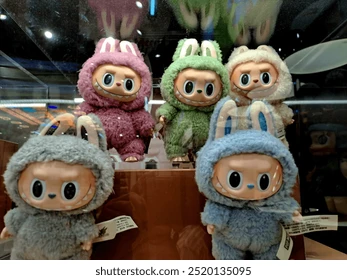
Introduction
In a world where trends wane fast, certain products stand the storm and become cultural symbols. Labubu, a little figurine from Pop Mart, is one such example. More than a toy, Labubu has grown into a phenomenon with an ardent global following. As a cult collectible, it demonstrates how an emotional bond and community collaboration can elevate a product into an icon. Blending scarcity with storytelling, Labubu isn’t just collected, it’s chased, cherished, and celebrated. Its charm lies in how it transforms ownership into identity. As marketing shifts from loud to lived, brands are decoding microcultures.This article explores what these collectibles teach us about effective brand strategy in today’s cluttered market.
The Rise of Cult Collectibles
Cult collectibles resonate not just widely, but also intimately. These items cultivate dedicated fanbases, establish resale markets, and evoke significant emotional value. All collectibles released by companies like Funko Pops and KAWS figures have a common denominator. Narrative depth, iconic representation and scarcity are just some of those qualities. The imaginative universe that Labubu is part of, helped garner people’s attention and thus, skyrocketed its appeal and popularity. These dolls blur the line between merchandise and meaningful representation, transforming mere plastic into a medium of personalization. Fans purchase (and sometimes even hoard) these items not only for their aesthetic appeal but also to forge a deeper connection that often mirrors their own identities. They primarily serve as symbols of belonging, catalysts for conversation, and emotional anchors in a highly impersonal and fast-paced consumer market scene.
Building Communities Through Brand Emotion
The power of cult collectibles lies in the loyal communities they create. Labubus don’t rely on mass advertising; they thrive on limited-edition drops, content created by their fans, and a mysterious aura. These organic channels foster strong brand alleigance. In modern brand strategy, emotional branding is of utmost importance i.e., it should make consumers feel something. Brands like LEGO, Disney, and even the kpop-band BTS have successfully used this model by tapping into shared identity, nostalgia, and cultural identity. The result is not just customers but devoted advocates. These brands don’t just sell products, they curate rituals, kindle anticipation, and become a part of the emotional routines of daily life.
The Labubu Blueprint: Strategy in Disguise
Created by Hong Kong-based artist Kasing Lung, Labubu debuted as part of a TV series known as “The Monsters”. The mischievous look on its face and a whimsical backstory rapidly caught people’s attention, leading to a collaborative doll with Pop Mart back in 2018. Ever since then, it has evolved from a niche series character to a global sensation, with each release intensifying its mythical story and collectible allure. Labubu’s brand power is no accident. Pop Mart employed deliberate techniques, such as blind box releases, scarcity, and character storytelling, to maintain buzz and engagement. The brand also avoids aggressive marketing and instead lets fans and collectors drive the narrative. This strategy builds authenticity and desire. Consistent design language, limited supply, and exclusive collaborations all reinforce Labubu’s cult status. These are textbook brand strategy moves, only disguised in the playful world of designer toys.
Lessons for Mainstream Brands
What can traditional brands learn from the Labubu effect? A lot. Nike and Apple are brands that have already employed similar strategies, such as sneaker drops and keynote reveals. What they share with cult collectibles is a focus on emotional value, consumer-perceived rarity, and a bold visual identity. Today’s consumers still seek functionality but meaningful and emotional value surely adds to the appeal of a product. By establishing a narrative and creating an immersive experience surrounding a product, brands can cultivate deeper and more lasting relationships with their audiences. To upkeep their relevance, brands should focus on designing for collectibility rather than solely for utility. The introduction of limited editions, evolving narratives, and cross-media character arcs has the potential to transform ordinary, monotonous products into serialized experiences. The Labubu effect demonstrates a future in which branding intersects with worldbuilding, as their loyal advocates drive demand.
Conclusion
Labubu’s success proves that becoming iconic isn’t about being everywhere, it’s about being meaningful. The world of cult collectibles teaches us that identity, emotion, and community drive brand loyalty. For brands aiming to stand out and stay relevant, building a brand strategy inspired by Labubu may be the smartest move of all. In the current saturated market, resonance surpasses mere reach. Brands that evoke striking emotions in individuals always stand out. Maya Angelou famously once stated, “People will forget what you said, people will forget what you did, but people will never forget how you made them feel.” Labubu underscores the notion that icons are not simply created; they are emotionally earned through meaningful connections.
References
- Pop Mart. (2021). Pop Mart Company Overview. Retrieved from https://www.popmart.com
- Hypebeast. (2019). Kasing Lung’s Labubu Character Gains Global Popularity Through Pop Mart. Retrieved from https://hypebeast.com
- Slade, J. (2020). Why Cult Brands Like Supreme and KAWS Win at Emotional Branding. Harvard Business Review. Retrieved from https://hbr.org
- Gobé, M. (2009). Emotional Branding: The New Paradigm for Connecting Brands to People. Allworth Press.
- Holt, D. B. (2004). How Brands Become Icons: The Principles of Cultural Branding. Harvard Business School Press.
- CNBC. (2022). How Pop Mart Uses Blind Boxes and Scarcity to Fuel a Billion-Dollar Business. Retrieved from https://www.cnbc.com
- Jenkins, H. (2006). Fans, Bloggers, and Gamers: Exploring Participatory Culture. NYU Press.
- Angelou, M. (n.d.). Famous Quotes by Maya Angelou. Retrieved from https://www.goodreads.com/author/quotes/3503.Maya_Angelou
FAQs
Q1. What are cult collectibles?
A1. Cult collectibles are rare items that gain value and popularity among fans of specific movies, shows, games, or cultural trends.
Q2. Why are cult collectibles so valuable?
A2. Cult collectibles are valuable because they are limited in supply, often nostalgic, and hold strong emotional or cultural significance for fans.
Q3. What are examples of cult collectibles?
A3. Popular cult collectibles include vintage action figures, comic books, limited edition posters, rare vinyl records, and movie props.
Q4. How can I start collecting cult collectibles?
A4. To start collecting cult collectibles, research niche markets, set a budget, and focus on items that have both emotional and market value.
Q5. Where can I find authentic cult collectibles?
A5. Authentic cult collectibles can be found at conventions, auctions, specialty stores, and verified online platforms like eBay or Heritage Auctions.
Penned by Shreeya Iyer
Edited by Abhinav Asthana, Research Analyst
For any feedback mail us at [email protected]
Transform Your Brand's Engagement with India's Youth
Drive massive brand engagement with 10 million+ college students across 3,000+ premier institutions, both online and offline. EvePaper is India’s leading youth marketing consultancy, connecting brands with the next generation of consumers through innovative, engagement-driven campaigns. Know More.
Mail us at [email protected]