
Easy Nutrition Tips
Let’s be real — college or school life is chaotic enough, and figuring out what to eat just adds to the mess. Between early morning lectures, assignments, and those random hangouts, cooking a full meal or even thinking about “ nutrition ” sounds like a lot. But eating healthy doesn’t mean fancy salads or expensive smoothies — sometimes, the best meals are simple, desi, and super affordable.
This article is just a chill guide for students who want to eat better without burning a hole in their pocket. No diet plans, no over-the-top rules — just some easy nutrition tips and real talk.
Why Eating Well Even Matters
You might think, “I’m young, I can eat anything.” But the truth is, food literally fuels your brain. When you eat junk all day, you feel lazy, tired, and cranky. A good meal doesn’t just fill your stomach, it keeps your mind alert — and trust me, during back-to-back classes, that really helps.

Struggles We All Face
Let’s admit it:
- We’re broke most of the time
- We don’t have proper kitchens (or even time)
- Instant noodles and chips are just… easy
- And cooking feels like a task you need a whole degree for
So, the aim isn’t to cook gourmet meals. It’s about finding that balance — something that’s quick, not boring, and gives your body at least some nutrition.
What “Healthy” Actually Looks Like for Us
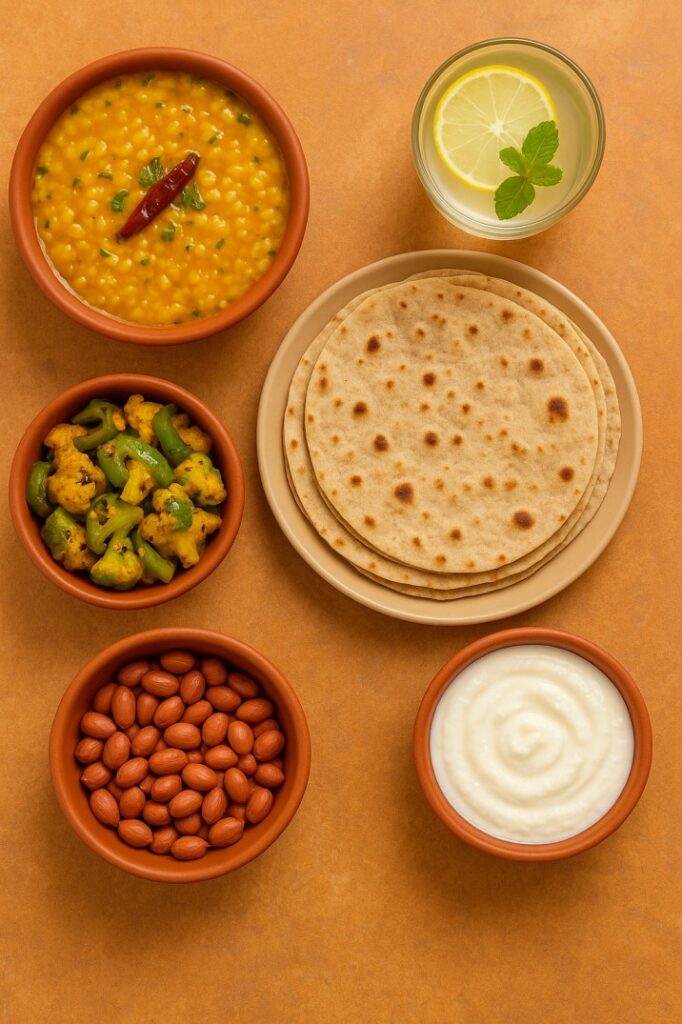
Health doesn’t have to be expensive. In fact, Indian food is full of budget-friendly superfoods — dal, roti, rice, sabzi, curd — all cheap and full of goodness.
Think of these when you’re planning meals:
- Protein: dals, eggs, sprouts, paneer
- Good carbs: poha, oats, rice
- Fibre: seasonal veggies and fruits
- Healthy fats: peanuts, ghee (in moderation)
- Hydration: nimbu pani, chaach, coconut water
And no, healthy doesn’t mean skipping your favourite food — it means balancing it out.
Super Easy Meals That Actually Work
Here are some meals one can try without taking too much stress:
- Moong Dal Chilla
- Made with soaked moong dal, blended and cooked like a pancake
- High in protein, low effort
- Vegetable Poha
- Quick to cook and customizable with whatever veggies you have
- Curd Rice with Pickle
- Cool, filling, and perfect for hot days
- Stuffed Roti (like aloo or palak)
- More filling and you don’t even need sabzi on the side
- Sprouts Salad
- Just soak them overnight and mix with onion, tomato, lemon, and masala
- Egg Bhurji And Toast
- Great protein and carbs combo that keeps you full
- Ragi Chocolate Mug Cake (if you crave dessert)
- Ragi flour, jaggery, milk and cocoa = guilt-free sweet fix
You don’t need a proper stove for most of these. A basic induction or electric kettle and you’re good.
Smart Shopping Tips
- Buy local and seasonal veggies – they’re cheaper and fresher
- Buy in bulk with friends — like dal, rice, atta
- Look for online student discounts or hostel kirana deals
- Stock reusable basics — oil, salt, masalas, onions, potatoes
My Realisation
This topic hit me hard because I’ve literally lived on maggi and chips during deadlines — and later hated how sluggish I felt. But once I started trying small changes, like replacing chips with peanuts or making dal-chawal instead of ordering out, it felt lighter. Also, being able to cook something for myself? Low-key feels like an achievement.
Final Thoughts
If you’re a student reading this, just know — eating well doesn’t mean becoming a nutritionist overnight. It means picking better, little by little. Your food doesn’t have to look like Instagram reels or any Pinterest dish. As long as it makes you feel full, healthy, and happy, (being cheap as well) – that’s actually enough for you.
Image Source:
References:
- Personal experience during hostel & internship
- Budget recipe inspiration from Kabita’s Kitchen, Your Food Lab
- Health tips from NHS Eatwell Guide and Healthline
- Everyday student conversations & real-life hacks
FAQs: Easy Nutrition Tips for Students
1. What are some easy nutrition tips for students on a tight budget?
One of the most effective easy nutrition tips for students is to rely on affordable Indian staples like dal, rice, roti, and seasonal vegetables. These foods are nutrient-rich, filling, and inexpensive. Buying in bulk can also save money—stock up on rice, pulses, and flour with friends or roommates. Another trick is meal prepping; cooking larger portions of dal or sabzi and refrigerating them saves time and reduces the urge to buy fast food. Simple additions like peanuts, curd, and sprouts provide protein without breaking the bank.
2. How can I eat healthy if I live in a hostel with limited cooking facilities?
If you only have an induction or an electric kettle, you can still follow easy nutrition tips. Try quick-cooking options like vegetable poha, upma, or oats. You can prepare curd rice, sprouts salad, or boiled eggs without needing a full kitchen. Stocking ready-to-use basics such as roasted chana, peanuts, fruits, and yogurt makes snacking healthier. Even with minimal tools, meals like dal-chawal or stuffed rotis can be cooked in under 30 minutes.
3. What are the best Indian superfoods for students?
Indian cuisine already includes natural superfoods that align with easy nutrition tips. Some of the best are:
Moong dal – high in protein, easy to digest.
Ragi (finger millet) – rich in calcium and iron, great for rotis and desserts.
Sprouts – packed with vitamins and easy to prepare.
Curd – promotes gut health and cools the body.
Seasonal fruits – cheap, easily available, and loaded with fiber.
Peanuts – budget-friendly source of healthy fats.
These everyday superfoods make nutrition accessible without needing imported or expensive items.
4. How do easy nutrition tips help with better concentration in studies?
Food directly affects brain function. Following easy nutrition tips like eating balanced meals with protein, good carbs, and hydration helps keep energy levels stable. For instance, having poha with vegetables in the morning provides slow-releasing carbs for focus, while sprouts or peanuts as snacks prevent sugar crashes. Proper hydration through nimbu pani or chaach also keeps the brain alert. Avoiding junk reduces sluggishness, meaning more productive study sessions.
5. Are there easy nutrition tips for managing cravings for junk food?
Yes, one of the most practical easy nutrition tips is to replace junk food with healthier versions of the same craving. For example:
Instead of chips → try roasted chana or popcorn.
Instead of chocolate → a small ragi chocolate mug cake.
Instead of fizzy drinks → lemon water or buttermilk.
The goal isn’t to stop cravings but to balance them. Eating filling meals with protein and fiber also reduces the urge for constant snacking.
6. Can easy nutrition tips really work without following a strict diet plan?
Absolutely. Easy nutrition tips focus on small, realistic changes instead of strict diet charts. Students often don’t have time for calorie counting, so the idea is to eat more home-style meals, add seasonal vegetables, include protein sources like dal or eggs, and drink enough fluids. These gradual shifts naturally improve health and energy without overwhelming rules.
7. What are the quickest meals that follow easy nutrition tips?
Here are some fast and affordable meals aligned with easy nutrition tips:
Moong Dal Chilla – high in protein, cooks like a pancake.
Vegetable Poha – quick breakfast option.
Curd Rice with Pickle – cooling and filling.
Egg Bhurji with Toast – protein-packed.
Sprouts Salad – ready in 5 minutes with lemon and onion.
Stuffed Roti – aloo or palak parathas that don’t need side dishes.
Each of these meals can be prepared under 20 minutes, making them perfect for students juggling studies.
8. How do I shop smartly for healthy student meals?
Smart shopping is an essential part of easy nutrition tips. Buy local and seasonal fruits and vegetables—they are cheaper and fresher than imported items. Team up with friends to purchase dal, rice, and atta in bulk. Look for hostel-friendly discounts or online grocery offers. Always keep basic masalas, onions, potatoes, and oil stocked. Having essentials handy reduces the chance of ordering junk food when hungry.
9. What are easy nutrition tips for vegetarian students?
Vegetarian students can easily meet nutrition needs by including protein-rich foods like dals, paneer, chana, rajma, and sprouts. Adding nuts, seeds, and milk products ensures healthy fats and calcium. Dishes like palak paneer, rajma chawal, and besan chilla are excellent examples of easy nutrition tips for vegetarians—nutritious, filling, and affordable.
10. Are there easy nutrition tips for non-vegetarian students?
Yes, non-vegetarian students can rely on budget-friendly protein options like eggs, chicken curry, or fish. A simple egg bhurji with roti or boiled eggs with rice is a great balance of protein and carbs. Non-veg students can still apply the same easy nutrition tips—combine protein with vegetables, avoid deep frying daily, and balance meals with curd, salad, or fruit.
11. How important is hydration in easy nutrition tips?
Hydration is often overlooked but crucial in easy nutrition tips. Students who rely only on tea or cold drinks often feel dehydrated and tired. Instead, drinking water, lemon water, chaach, or coconut water improves digestion, keeps skin clear, and boosts energy. Carrying a refillable bottle ensures you sip water regularly during lectures and study sessions.
12. Can easy nutrition tips help save money for students?
Yes, following easy nutrition tips often saves money. Cooking dal-chawal or poha at home costs less than packaged snacks or fast food. Buying groceries in bulk and choosing seasonal produce lowers expenses. Instead of spending ₹150–₹300 daily on ordering out, a student can spend less than half by preparing simple meals. Over weeks, this habit significantly reduces living costs while improving health.
13. What easy nutrition tips can help students during exams?
During exams, energy and focus matter most. Here are some easy nutrition tips:
Start the day with oats or poha for sustained energy.
Snack on peanuts or fruits instead of biscuits.
Stay hydrated with nimbu pani or chaach.
Avoid heavy, oily food before studying—it causes drowsiness.
Drink milk with a pinch of turmeric at night for better sleep.
These small changes help reduce stress, boost memory, and maintain energy for long study sessions.
14. Are easy nutrition tips the same as dieting?
No, easy nutrition tips are about balance, not restriction. Dieting often focuses on cutting out foods, while nutrition tips for students focus on including affordable, nourishing foods. For example, instead of banning sweets, students can make a ragi chocolate mug cake. Instead of skipping meals, the tip is to eat filling but simple meals like stuffed roti with curd.
15. How do easy nutrition tips affect mental health?
Food plays a role in mood regulation. Skipping meals or eating only junk often leads to irritability and low energy. Following easy nutrition tips like adding fresh vegetables, proteins, and hydrating drinks keeps blood sugar levels stable. A steady supply of nutrients supports brain function and reduces stress, helping students feel calmer and more focused.
Penned by Oum Mishra
Edited by Ragi Gilani, Research Analyst
For any feedback mail us at [email protected]
Transform Your Brand's Engagement with India's Youth
Drive massive brand engagement with 10 million+ college students across 3,000+ premier institutions, both online and offline. EvePaper is India’s leading youth marketing consultancy, connecting brands with the next generation of consumers through innovative, engagement-driven campaigns. Know More.
Mail us at [email protected]
Penned by Names
Edited by Ritika Sharma, Research Analyst
For any feedback mail us at [email protected]
Transform Your Brand's Engagement with India's Youth
Drive massive brand engagement with 10 million+ college students across 3,000+ premier institutions, both online and offline. EvePaper is India’s leading youth marketing consultancy, connecting brands with the next generation of consumers through innovative, engagement-driven campaigns. Know More.
Mail us at [email protected]
Penned by Names
Edited by Ritika Sharma, Research Analyst
For any feedback mail us at [email protected]
Transform Your Brand's Engagement with India's Youth
Drive massive brand engagement with 10 million+ college students across 3,000+ premier institutions, both online and offline. EvePaper is India’s leading youth marketing consultancy, connecting brands with the next generation of consumers through innovative, engagement-driven campaigns. Know More.
Mail us at [email protected]