
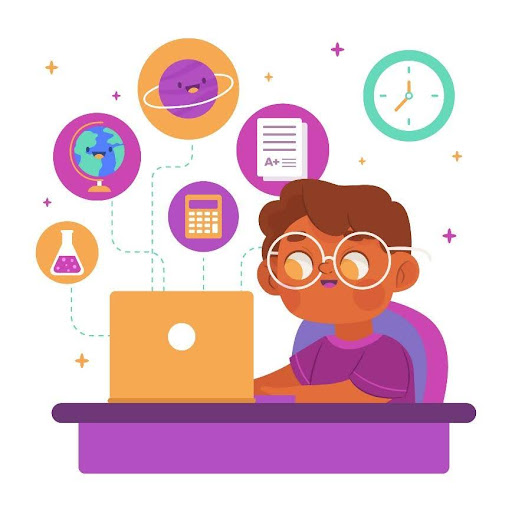
Technology in schools isn’t just about gadgets and apps anymore. Emotion AI Learning is kind of like that super intuitive buddy who just gets your vibe from a quick look or a word or two. It’s honestly wild—this tech can tell if you’re happy, annoyed, or just faking a smile, sometimes even before you realize it yourself. Friendly? Sure. A little spooky? Maybe. Well, at least it shows that something is actually noticing what’s going on. If you’re totally lost, getting bored, or actually enjoying a lesson (hey, it happens!), this tech notices.
What’s cool is, teachers and all those education apps can use this info to make learning way more fun and less like a snooze-fest. They can change stuff up, help you out when you’re confused, or just make lessons feel more “you.” Whether you’re in a classroom or stuck at home, emotion AI’s there to help everyone stay connected and actually care about learning. Pretty neat, right?
Personalized Learning Support
So, say you’re having a rough day or just zoning out—this tech picks up on it. Suddenly, your lesson kind of changes to fit your mood. No cookie-cutter stuff, just what works for you right then.
Better Student Engagement Analytics
You start looking bored or lost? The system notices (creepy but helpful) and throws in fun stuff, like quick games or something interactive, to wake everyone up. Way less snooze-fest, way more “hey, I’m kind of into this.”
Stress Reduction
If you’re stressing out or about to faceplant on your desk, the AI’s like, “Alright, time for a break,” or swaps in easier work. It’s basically looking out for everyone, making school feel a little less like a pressure cooker.
Improved Teacher Insights
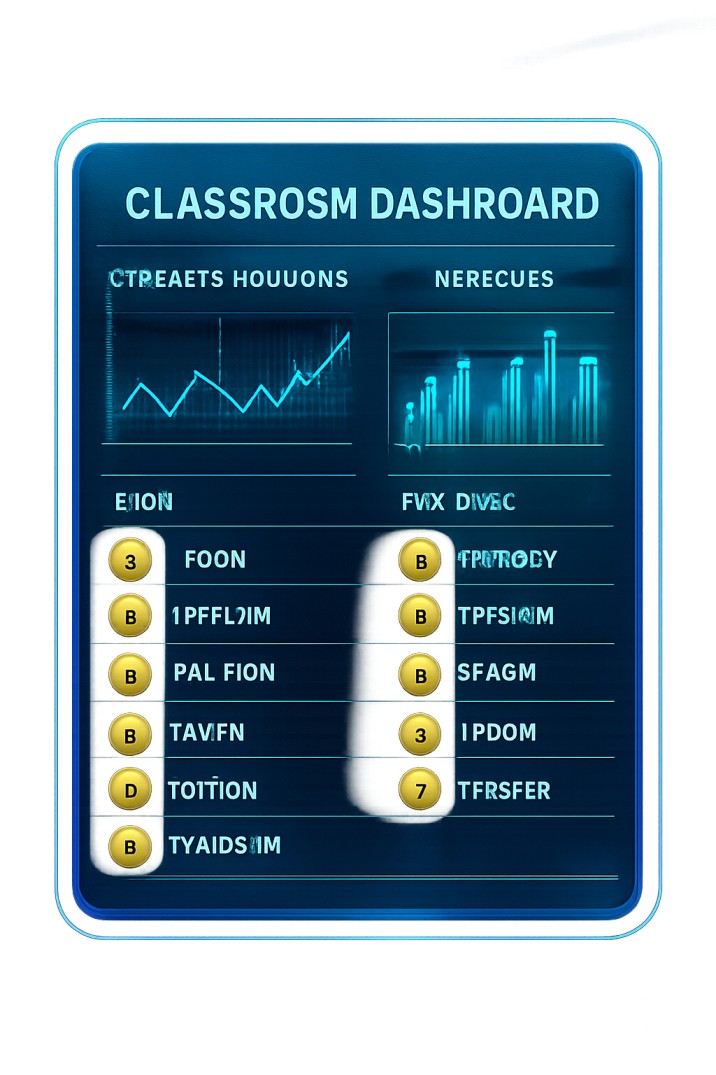
Teachers actually get a peek into how students are feeling—not just test scores, but like, real emotions. Makes it way easier to spot who’s struggling and swoop in with some actual help, not just generic “try harder” nonsense.
Inclusive Learning
Whether you’re a hands-on person, need a little extra time, or just have your own way of learning, this setup’s got your back. The system switches things up to fit your style, so nobody gets left behind.
Motivation and Confidence
Let’s be real: nobody likes getting smacked with impossible questions. If the tech can sense when you’re about to lose it and dials things back, you don’t end up hating learning. It’s basically like having a coach who just vibes with your energy—knows when to hype you up and when to let you chill for a sec. Keeps you pumped, not totally wiped out.
Real-Time Feedback
Students get instant support when struggling, making the learning process smoother.
Long-Term Learning Habits
By tracking emotions over time, AI can identify patterns and suggest better study routines.
Future of Smart Classrooms
Emotion recognition combined with adaptive learning could create classrooms where every student feels understood and supported.
Emotion AI in Learning: Smarter Student Engagement
Emotion AI Learning is really stepping up the whole learning experience and, honestly, it’s about time. Imagine having tech in class that actually notices when you’re confused or totally checked out—like, “Hey, maybe let’s switch things up?” It’s almost like having a super chill teacher who actually gets you (but without the weird coffee breath).
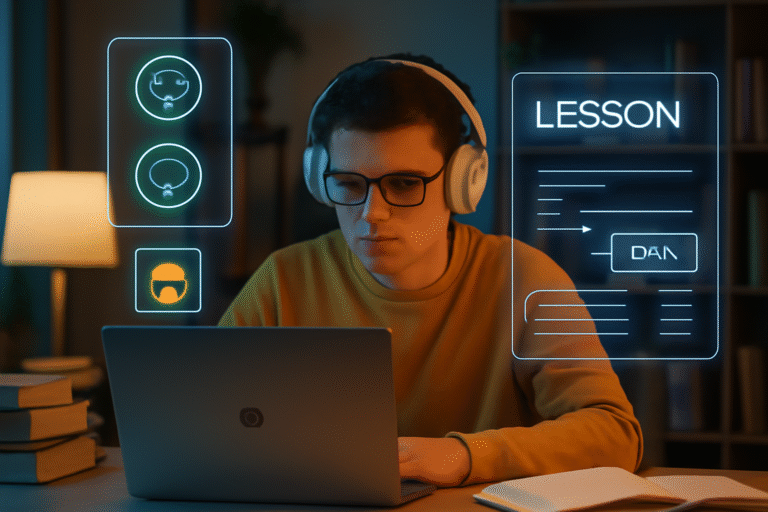
As this stuff keeps getting better, you’ll see it pretty much everywhere—your regular classroom, online lessons, probably even in your homework app someday. The goal? Making sure how you learn actually matches up with how you’re feeling that day, not just treating everyone like robots. It’s all about learning your way, with a little help from some seriously smart tech. How cool is that?
References:
[1] S. L. Happy, A. George, A. Routray, and R. Balasubramanian, “Automated Alertness and Emotion Detection for Empathic Feedback During E-Learning,” arXiv preprint arXiv:1605.06958, 2016. [Online]. Available: https://arxiv.org/abs/1605.06958
[2] “Emotion recognition for enhanced learning: using AI to detect students’ emotions and adjust teaching methods,” Smart Learning Environments, vol. 12, no. 5, 2025. [Online]. Available: https://slejournal.springeropen.com/articles/10.1186/s40561-025-00374-5
[3] K. Choksi, J. Shah, and A. D. Patel, “SensEmo: Enabling affective learning through real-time emotion recognition with smartwatches,” arXiv preprint arXiv:2407.01935, 2024. [Online]. Available: https://arxiv.org/abs/2407.01935
Image source:
FAQs
1. What is Emotion AI learning?
Emotion AI learning refers to the use of artificial intelligence to detect and interpret human emotions during the learning process. By analyzing facial expressions, voice tone, and behavioral cues, Emotion AI learning systems adapt lessons to suit a student’s current emotional state, making education more personalized and engaging.
2. How does Emotion AI learning improve student engagement?
Emotion AI learning enhances engagement by identifying when students feel bored, confused, or motivated. Once emotions are recognized, the system can adjust teaching strategies—like adding interactive elements, simplifying explanations, or giving short breaks—to keep learners more involved.
3. Can Emotion AI learning reduce stress for students?
Yes. Emotion AI learning can detect signs of stress or frustration in real time. For example, if a student appears overwhelmed, the system may suggest easier exercises, calming activities, or breaks. This adaptive approach reduces anxiety and promotes healthier learning habits.
4. Is Emotion AI learning only useful in online education?
No. Emotion AI learning benefits both online and classroom settings. In virtual lessons, AI tools track facial expressions and engagement through webcams. In physical classrooms, sensors and AI dashboards help teachers understand student emotions, improving teaching methods in real time.
5. How does Emotion AI learning personalize education?
Personalization is one of the strongest features of Emotion AI learning. It tailors lessons based on how a student feels. If a learner is tired or distracted, content may be simplified. If they’re confident and focused, challenges become more advanced. This makes learning feel less robotic and more human.
6. Does Emotion AI learning provide real-time feedback?
Absolutely. One of the main strengths of Emotion AI learning is its ability to give immediate responses. When a student struggles, the system can instantly provide hints, suggest resources, or adapt the pace of the lesson, making the learning process smoother.
7. What role does Emotion AI learning play in teacher insights?
Teachers can use Emotion AI learning dashboards to understand student emotions beyond grades and test scores. These insights help teachers identify who needs extra support, who’s disengaged, and how to adapt lessons for the whole class.
8. Can Emotion AI learning support inclusive education?
Yes. Emotion AI learning ensures inclusivity by adjusting to diverse learning needs and emotional responses. Whether a student requires more visual aids, slower pacing, or interactive exercises, the AI adapts to meet their unique requirements, ensuring no one is left behind.
9. How does Emotion AI learning boost student motivation?
By recognizing frustration before it turns into disengagement, Emotion AI learning systems adjust difficulty levels and celebrate small wins. This encouragement builds confidence, keeps students motivated, and prevents them from feeling defeated by challenging tasks.
10. What technologies are used in Emotion AI learning?
Emotion AI learning uses facial recognition, voice analysis, biometric sensors (like smartwatches), and machine learning algorithms. These tools work together to identify emotional cues and create adaptive responses that improve learning experiences.
11. Is Emotion AI learning safe for student privacy?
Privacy is a key concern. While Emotion AI learning collects emotional data, responsible systems anonymize and secure this information. Institutions must follow strict data protection policies to ensure that student emotions are not misused.
12. How does Emotion AI learning encourage long-term study habits?
Emotion AI learning tracks emotional patterns over time. If it notices a student frequently losing focus at certain hours, it may recommend better study schedules. Over weeks and months, this builds stronger, more effective study routines.
13. Can Emotion AI learning work with wearable devices?
Yes. Wearables like smartwatches can measure stress levels, heart rate, and focus. Combined with Emotion AI learning platforms, these devices help provide deeper insights into a student’s emotional state, making adaptive learning even more accurate.
14. What is the future of classrooms with Emotion AI learning?
Future classrooms will integrate Emotion AI learning into smart environments. Interactive boards, AI cameras, and digital platforms will continuously adapt to students’ moods, creating supportive, flexible, and highly engaging classrooms where every student feels understood.
15. Why is Emotion AI learning important for modern education?
Emotion AI learning is important because it bridges the gap between traditional teaching and personalized learning. It ensures that lessons are not just about delivering knowledge but also about connecting emotionally with students. This approach creates more motivated, confident, and engaged learners.
Penned by Aliya Altaf Mulla
Edited by Ragi Gilani, Research Analyst
For any feedback mail us at [email protected]
Transform Your Brand's Engagement with India's Youth
Drive massive brand engagement with 10 million+ college students across 3,000+ premier institutions, both online and offline. EvePaper is India’s leading youth marketing consultancy, connecting brands with the next generation of consumers through innovative, engagement-driven campaigns. Know More.
Mail us at [email protected]