
For a generation raised on instant gratification from fast delivery apps and the sameness of global fast-food chains, a quiet rebellion is happening in kitchens worldwide.This movement isn’t tied to the latest cooking gadget, a sous-vide machine, or a cooking trick that involves microwaving salmon. It focuses on slowing down and returning to the roots of cooking.
We are witnessing a significant cultural shift. The youth lifestyle is now defined less by speed and consumption and more by connections. At the heart of this change is the revival of heritage recipes—ancient and often complex instructions that are being rediscovered and treated as treasures.
This is not just nostalgia. It represents a thoughtful, subconscious response to a digital world that feels fleeting and uncertain. Young people recognize that in an age of deepfakes and AI-generated content, the taste of a dish perfected over decades cannot be replicated.
Here’s how the revival of heritage receipe is breaking down the harmful hustle culture narrative, creating a more grounded reality for young people.
1.The Slow Living Antidote to Digital Burnout
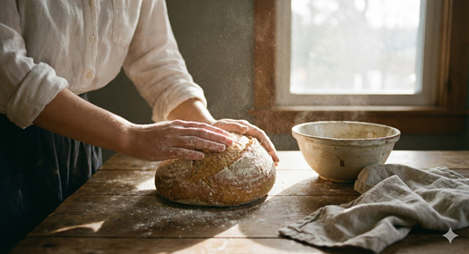
Today’s youth lifestyle is marked by constant low-level anxiety. Notifications ring, emails pile up, and endless scrolling fragments attention. In this setting, spending six hours cooking bone broth or three days nurturing a sourdough starter becomes a form of resistance.
Psychologists have studied “flow states”—moments of deep focus where outside distractions fade and anxiety eases. Heritage cooking encourages this state. You cannot scroll through your phone with sticky dough on your hands. You can’t speed-read a handwritten family recipe for mole sauce; it requires your complete attention.
For young adults, mastering a multi-step heritage dish provides a tangible sense of accomplishment that a digital “like” can never match. In a world where much work is abstract and screen-based, chopping, kneading, and smelling create a real connection to the moment. It proves that they made something genuine and nurturing.
2.Genealogy You Can Taste
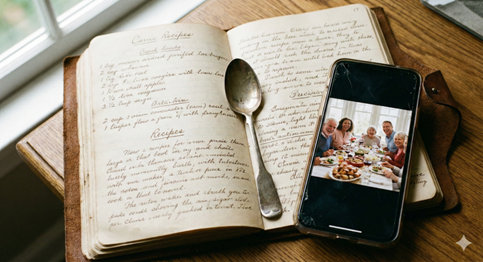
For many, the family recipe is the last link to a heritage fractured by migration, assimilation, or time.In an age of DNA testing and ancestry.com, young people are realizing their identity is not just in their genes but also in their gut. This is “gastro-diplomacy” on a personal level. Reviving a grandmother’s method for fermenting cabbage or curing meat helps reclaim a narrative that was almost lost.
Sociologists note that for diaspora communities, food often remains the most lasting element of culture. Language might vanish within one generation, and clothing styles may change, but favorite spices and textures can persist for several generations. When a student learns to cook the exact dish their ancestors enjoyed, they connect with history. They aren’t just eating; they are participating in a ritual that roots them in something greater than themselves, combating modern feelings of rootlessness.
3. Radical Sustainability Through Peasant Food
Let’s face it:
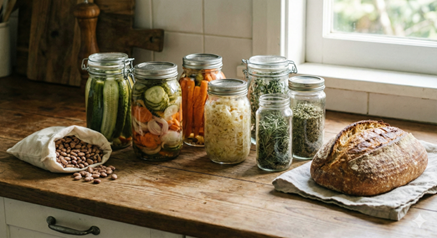
Modern sustainability marketing often comes with a high price tag. Buying eco-friendly packaged products is a luxury few students can afford. Yet, heritage cooking is naturally sustainable because it arose from necessity and thrift.Most heritage recipes come from times before refrigeration and global supply chains, serving as the original zero-waste guides.
Nose-to-tail:
Utilizing organ meats, bones, and trimmings (which are economical and nutritious) to create rich stocks instead of just buying premium cuts.
Preservation:
Techniques like pickling, canning, and drying make seasonal produce last year-round, which cuts down on waste.
Stale Bread:
Dishes like Italian ribollita or French toast were created to use old bread, rather than tossing it out.For a youth lifestyle concerned about climate change and rising costs, these traditional methods are invaluable. It turns out that listening to Grandma isn’t just sentimental; it’s the most eco-friendly way to eat.
4.The Inflation-Proof Kitchen Hack
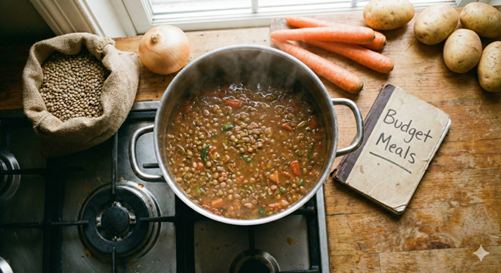
This leads directly to a new economic reality. The rising cost of living stresses Gen Z and Millennials. Fast food, once an affordable option, has become unexpectedly pricey. Heritage recipes, however, were often designed to stretch limited resources.
This represents the return of “peasant food”—meals based on beans, lentils, rice, potatoes, and flour. A bag of dried beans is much cheaper than a processed meal kit. By reviving heritage recipes for dal, feijoada, or minestrone, young people are finding economic solutions. They learn that tasty meals don’t need costly ingredients; they need time and skill. This financial independence drives the resurgence of home cooking.
5.The Digital Archive: TikTok as the New Oral History
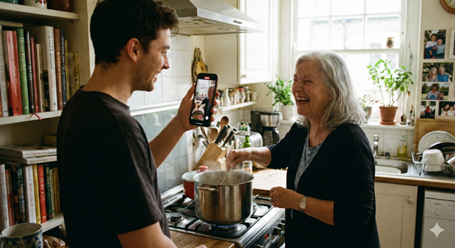
There’s an interesting paradox at play: the tools that distract us also help preserve our history.Social media platforms like TikTok and Instagram have become vast, diverse cookbooks. But it’s more than just watching; it’s about preserving knowledge. Young creators are recording their elders as they cook, digitizing handwritten recipes, and crowd-sourcing translations for unusual ingredients.
This is an important shift. A family recipe that once existed only in someone’s mind is now saved in the cloud. This digital sharing makes heritage accessible to all. You don’t need to be a pro chef to learn; you just need to watch a 60-second video of someone’s abuela explaining why the dough should “feel like an earlobe.” It turns heritage into something everyone can access.
6.Nutritional Wisdom Over Diet Culture
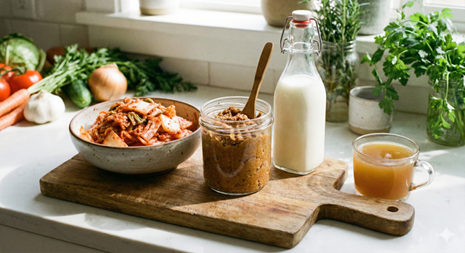
The wellness industry is quick to push supplements, powders, and restrictive diets. Heritage revivals show us that our ancestors understood nutrition long ago.Today’s focus on gut health connects directly to heritage techniques.
Fermentation:
Common in kimchi, sauerkraut, kefir, and miso, this age-old preservation method is the best source of probiotics out there.
Bone Broths:
Now sold for high prices in trendy cities, these were staples in peasant soups for centuries.By revisiting these recipes, young people are moving away from harmful diet culture. They’re welcoming “nourishment culture,” trusting that time-tested combinations of fats, carbs, and proteins have proven effective for generations.
7.Rebuilding the Third Place
The wellness industry is quick to push supplements, powders, and restrictive diets. Heritage revivals show us that our ancestors understood nutrition long ago.Today’s focus on gut health connects directly to heritage techniques.
Fermentation:
Common in kimchi, sauerkraut, kefir, and miso, this age-old preservation method is the best source of probiotics out there.
Bone Broths:
Now sold for high prices in trendy cities, these were staples in peasant soups for centuries.By revisiting these recipes, young people are moving away from harmful diet culture. They’re welcoming “nourishment culture,” trusting that time-tested combinations of fats, carbs, and proteins have proven effective for generations.
7.Rebuilding the Third Place
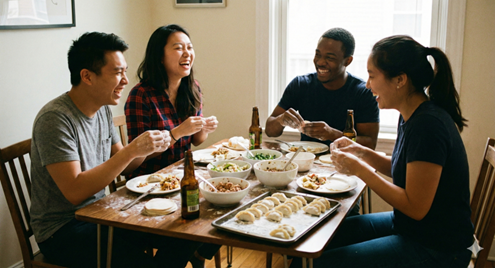
Sociologist Ray Oldenburg coined the term “Third Place” to describe social spaces separate from home and work. As many of these places (like affordable cafes or community centers) disappear or become unaffordable, kitchens are stepping into that role.Heritage cooking is rarely a solo activity. Making tamales, folding dumplings, stuffing grape leaves, or pinching pierogi involves groups working together. This encourages gatherings.
We are seeing a rise in supper clubs and potlucks, where the cost of entry is a dish with a story. Amid reports of loneliness among young adults, preparing a heritage meal cultivates connection. People sit, work with their hands, and engage in conversation. It builds a sense of community that modern communication struggles to provide.
The Final Course
Reviving heritage recipes isn’t retreating into the past; it’s reevaluating the future.By choosing the slow, the challenging, and the communal over the quick and easy, young people signal a change in values. They decide that family recipes, with all their imperfections and histories, offer more sustenance than anything the industrial food system can deliver.They are learning that sometimes, to move forward, you have to look back.
References
[1] T. S. Conner, C. G. DeYoung, and P. J. Silvia, “Everyday creative activity as a path to flourishing,” The Journal of Positive Psychology, vol. 13, no. 2, pp. 181–189, 2018. [Online].
Available: https://doi.org/10.1080/17439760.2016.1257049
[2] Institute of Food Technologists, “The top food and beverage trends for 2024,” Institute of Food Technologists, Chicago, IL, Rep., Jan. 2024. [Online].
Available: https://www.ift.org/news-and-publications/news/2023/december/12/ift-predicts-2024-food-trends
[3] R. Oldenburg, The Great Good Place: Cafes, Coffee Shops, Bookstores, Bars, Hair Salons, and Other Hangouts at the Heart of a Community. New York, NY, USA: Marlowe & Company, 1999. [Online].
Available: https://www.pps.org/article/roldenburg
[4] M. L. Marco et al., “The International Scientific Association for Probiotics and Prebiotics (ISAPP) consensus statement on fermented foods,” Nature Reviews Gastroenterology & Hepatology, vol. 18, no. 3, pp. 196–208, Jan. 2021. [Online].
Available: https://www.nature.com/articles/s41575-020-00390-5
[5] K. Ray, “Domesticating Cuisine: Food and Aesthetics on American Television,” Gastronomica, vol. 7, no. 1, pp. 50–63, Winter 2007. [Online].
Available: https://online.ucpress.edu/gastronomica/article/7/1/50/46564/Domesticating-Cuisine-Food-and-Aesthetics-on
[6] American Psychological Association, “Stress in America 2023: A nation recovering from collective trauma,” American Psychological Association, Washington, D.C., Rep., Nov. 2023. [Online].
Available: https://www.apa.org/news/press/releases/stress/2023/collective-trauma-recovery
FAQs on Heritage Recipe Revivals & Youth Lifestyle
1. What are heritage recipe revivals?
Heritage recipe revivals refer to the rediscovery and practice of traditional family recipes passed down through generations, preserving cultural identity and traditional cooking methods.
2. Why are heritage recipe revivals popular among modern youth?
Heritage recipe revivals appeal to modern youth because they promote slow living, reduce digital burnout, strengthen cultural roots, and offer meaningful offline experiences.
3. How do heritage recipes support a healthier youth lifestyle?
Heritage recipes focus on natural ingredients, fermentation, low-oil cooking, and balanced nutrition, helping young people move away from processed food and harmful diet culture.
4. Are heritage recipe revivals sustainable?
Yes. Heritage cooking practices emphasize zero-waste methods, seasonal ingredients, preservation techniques, and economical cooking, making them naturally sustainable.
5. How do heritage recipes help fight digital burnout?
Cooking heritage recipes requires focus, patience, and hands-on effort, creating a flow state that reduces stress, anxiety, and excessive screen dependency.
6. Why are heritage recipes considered budget-friendly for students?
Most heritage dishes are built around affordable staples like lentils, grains, beans, and vegetables, making them ideal for students facing rising living costs.
7. How is social media helping preserve heritage recipes?
Platforms like TikTok and Instagram act as digital archives where young people record elders, share traditional techniques, and ensure family recipes are not lost.
Penned by Sanskriti
Edited by Pranjali Sharma, Research Analyst
For any feedback mail us at [email protected]
Transform Your Brand's Engagement with India's Youth
Drive massive brand engagement with 10 million+ college students across 3,000+ premier institutions, both online and offline. EvePaper is India’s leading youth marketing consultancy, connecting brands with the next generation of consumers through innovative, engagement-driven campaigns. Know More.
Mail us at [email protected]