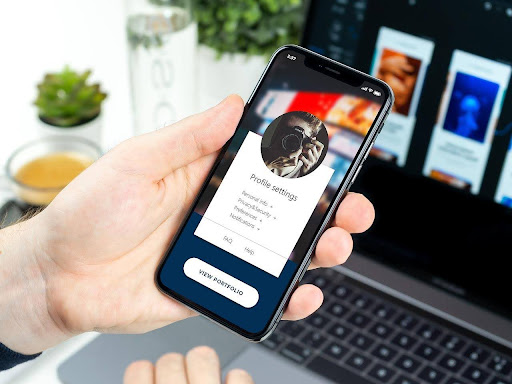
In today’s academic world, students don’t just want to do things; they want to show them. From debate medals to coding projects, from research papers to dance performances, achievements matter only when they are visible. That’s where the idea of a mobile portfolio student comes in.
Instead of carrying bulky files or endlessly updating resumes, students can keep all their work, certificates, and projects in one easy, pocket-sized space—a phone app.
Why Go Mobile?
Most students already live half their lives on their phones. Social media, study notes, event reminders—it’s all there. So why not achievements too?
A well-designed showcase app can act like a personal brand builder.
Imagine you meet a recruiter at a college fest. Instead of promising to “mail your CV later,” you just share your portfolio link or QR code on the spot. It’s smart, quick, and modern.
What Goes in a Student Portfolio?
A strong portfolio isn’t just a collection of certificates. It tells a story. Some essentials:
- Academic highlights: Projects, presentations, research work
- Extra-curriculars: Cultural events, sports, clubs, competitions
- Skills & creations: Coding apps, poems, design posters, videos
- Reflections: Short notes on what you learned, not just what you won
That personal touch is what turns a portfolio into more than just storage—it becomes a living profile.
The Role of Technology
This is where EdTech meets personal branding. Many universities are now experimenting with apps that allow students to upload verified achievements straight from campus portals. Private showcase apps are also growing, where portfolios look like visual timelines or creative profiles—scrollable, interactive, and easy to share.
The difference is, instead of selfies, you’re showing employers or scholarship boards what you’ve actually achieved.
Traditional vs AI Training
Traditionally, students built resumes manually—one Word file updated again and again. That method still works but feels outdated.
With AI, portfolios can go further. AI can recommend how to arrange achievements or analyze which skills stand out most for a career path. Think of debate practice: earlier, feedback came only from a mentor. Now AI tools can give instant insights on pace, tone, and even stress levels. Similarly, AI-driven portfolios move beyond static storage to become dynamic growth trackers.
Challenges on the Way
Of course, it’s not all perfect. Privacy is a concern—students need control over who sees what. There’s also the issue of affordability, since not everyone can pay for premium showcase platforms. And unless colleges recognize these digital portfolios officially, students might still get asked for “traditional CVs.”
Wrapping Up
A mobile portfolio student app is more than convenience—it’s empowerment. It gives scholars the confidence to show who they are and what they’ve achieved, anywhere and anytime.
With the right blend of creativity, sequestration, and tech, portfolios can shift from being fine lines on a shelf to digital stories that grow with the pupil. In the future, they may become as common as LinkedIn profiles—maybe even more.
References
[1] Kaplan, A. M., & Haenlein, M. (2010). Users of the world, unite! The challenges and opportunities of Social Media. Business Horizons.
[2] Pew Research Center (2023). Students and Digital Platforms for Career Building. Pew Research Center.
[3] Gibson, D. (2017). Student digital portfolios in higher education. TechTrends.
[4] Research shows students with digital portfolios demonstrate stronger employability and self-reflection skills (Gibson, 2017).
FAQs on Mobile Portfolios for Students
1. What is a mobile portfolio student solution, and why is it important?
A mobile portfolio student tool is a digital platform or app that allows students to store, organize, and present their academic and extracurricular achievements directly on their smartphones. Instead of carrying printed certificates or bulky folders, students can upload projects, certificates, videos, and skills into one easily accessible digital space. This approach is important because it blends convenience with personal branding. In a world where most interactions happen online, being able to share your achievements with a single link or QR code makes you more visible to recruiters, scholarship boards, and academic institutions.
2. How does a mobile portfolio benefit students in their career journey?
A mobile portfolio student app can play a crucial role in career development. It helps students present a complete picture of their capabilities beyond just grades or exam scores. Employers today are looking for skills, creativity, and real-world projects. A mobile portfolio can include coding projects, research papers, art pieces, or leadership roles in student clubs. Having all of this accessible in one place makes interviews more impactful and networking more effective. It can even serve as a talking point during career fairs or internships, helping students stand out in a competitive market.
3. What should be included in a strong mobile portfolio?
A strong mobile portfolio should go beyond listing achievements — it should tell a story. Core elements to include are academic accomplishments such as projects, presentations, and published papers; extracurricular involvement like competitions, cultural events, and volunteer work; creative outputs such as design portfolios, coding applications, or short films; and personal reflections explaining what was learned from each experience. This approach turns a portfolio from a simple showcase into a dynamic narrative about growth and learning.
4. How does a showcase app differ from a traditional resume?
A showcase app used as a mobile portfolio student platform is far more interactive and engaging than a traditional resume. A resume is a static document — often text-heavy and limited to one or two pages. A mobile portfolio, on the other hand, can include multimedia content, clickable links, project demos, and even video introductions. It can also be updated instantly, meaning students can reflect their latest achievements without reformatting or reprinting anything. This interactivity not only impresses recruiters but also reflects digital literacy — a key skill in modern workplaces.
5. Can a mobile portfolio help with academic opportunities like scholarships and research positions?
Yes. A well-designed mobile portfolio student presentation can significantly improve a student’s chances of securing scholarships, grants, or research assistant positions. Many scholarship boards and research committees now request evidence of skills, projects, or leadership experience. A portfolio makes this easy to present. Instead of attaching multiple documents, students can simply share their portfolio link, providing evaluators with an organized, visually appealing overview of their accomplishments.
6. How is artificial intelligence enhancing mobile portfolio apps?
Artificial intelligence is transforming how mobile portfolio student tools work. AI can analyze uploaded achievements and suggest the best ways to present them. It can identify skill gaps, recommend relevant opportunities, and even tailor portfolio layouts to specific career goals. Some platforms use AI to generate summaries or keyword-optimized descriptions, which are useful for job applications. This turns the portfolio from a passive storage tool into an active career-building assistant.
7. What challenges do students face when creating a mobile portfolio?
Despite the advantages, creating a mobile portfolio student app comes with challenges. Privacy is a major concern — students must control who sees their data and ensure sensitive information is protected. Cost can also be an obstacle, as some advanced platforms require subscriptions. Additionally, until educational institutions and employers universally accept digital portfolios, students may still be asked to provide traditional resumes. Balancing both formats is often the best strategy.
8. Are mobile portfolios recognized by employers and universities?
Recognition of mobile portfolio student tools is rapidly growing. Many employers now encourage applicants to include links to their digital portfolios, especially in creative, technical, and research-focused fields. Universities, too, are integrating digital showcase systems into their career services. As digital literacy becomes a key component of employability, portfolios are no longer optional — they’re becoming expected. Students who build and maintain theirs early will have a significant advantage.
9. How can students start building their first mobile portfolio?
The best way to start is by selecting a user-friendly showcase app designed for students. Begin by collecting all relevant achievements — academic, extracurricular, and creative. Upload them with clear titles, short descriptions, and dates. Adding personal reflections helps demonstrate self-awareness and growth. Students should also include links to live projects or public work, such as GitHub repositories or published articles. Over time, regularly updating the mobile portfolio student project ensures it remains current and compelling.
10. What does the future of mobile portfolios look like?
The future of mobile portfolio student platforms is bright and evolving. As technology advances, portfolios will become more interactive, personalized, and integrated with career services. AI will help students match their skills with job opportunities, while blockchain verification might allow automatic validation of certificates and degrees. Ultimately, digital portfolios will become as standard as LinkedIn profiles, and students who embrace them early will have a distinct advantage in both academic and professional arenas.
Penned by Khushi Basediya
Edited by Seema Acharya, Research Analyst
For any feedback mail us at [email protected]
Transform Your Brand's Engagement with India's Youth
Drive massive brand engagement with 10 million+ college students across 3,000+ premier institutions, both online and offline. EvePaper is India’s leading youth marketing consultancy, connecting brands with the next generation of consumers through innovative, engagement-driven campaigns. Know More.
Mail us at [email protected]