

Introduction
Surviving online exams is a reality in today’s education system. It is not just about what you know anymore but how you handle time, tech and mental stress in digital environments. With digital testing techniques becoming integral to how students study and take exams, mastering how to adapt to them is a skill. Online exam survival experts know that digital preparedness is as critical as academic understanding. In order to succeed in this arena, students must integrate digital test techniques into their daily learning routine.
From Classroom to Clicks: The Emotional Leap
A transition from the old classroom exams to the internet-based ones has brought forth a set of new challenges. Not only must students have knowledge of the material, but they must also be able to deal with technology issues, camera nervousness, and loneliness. In contrast to on-campus exams, where group quietness provides some bizarre reassurance, online exams are isolating and more psychologically demanding. Perceived parental pressure and the isolated nature of online tests fuel academic stress and anxiety concerning competitive entrance exams, as stated by Pienyu et al. (2024). Students experience the weight of expectations not only academically but also technologically.
The old support structures, such as teachers circulating or classmates exchanging anxious looks, are no more. All that is left is a blinking cursor, a countdown clock and the pressure to get it done. With this change the exam’s psychological environment has dramatically altered, making it essential to research coping mechanisms.
Why Online Exams Feel Harder Than They Look
Intuitively, one would think online exams would be less stressful. Open-book formats, convenient scheduling and home environments should put more students at ease. But far from it. The Nature (2024) student study in the UAE and elsewhere describes how test stress has only multiplied in virtual environments. The absence of direct oversight does not cease stress—it merely transforms.
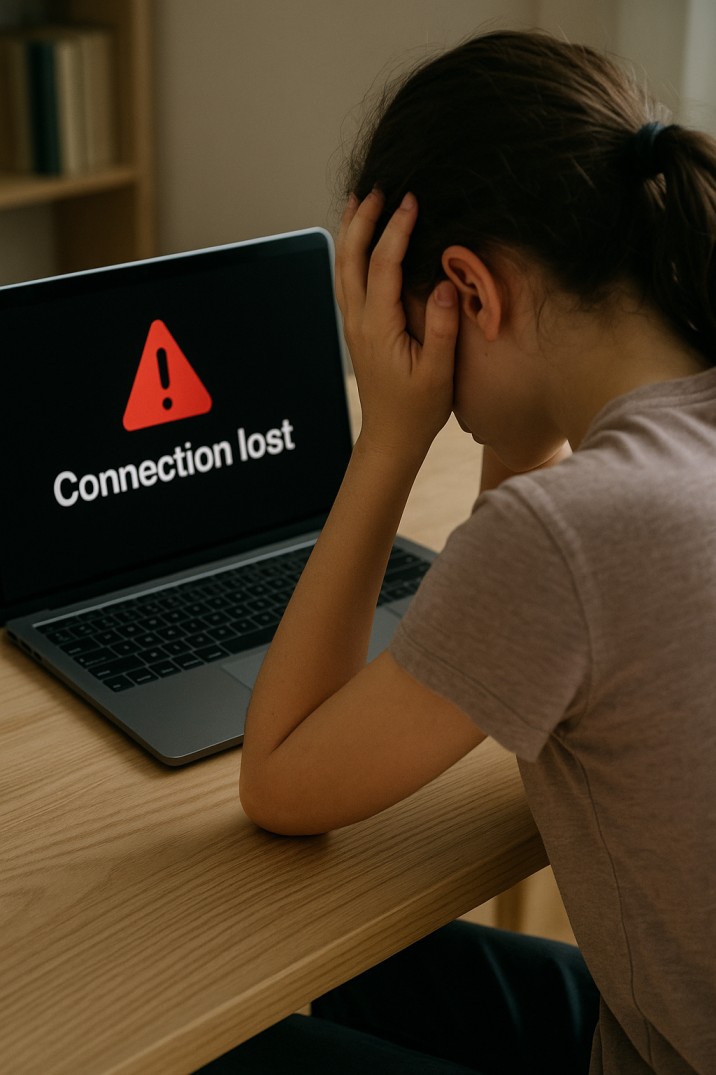
Now it’s the dread of screen freezes, misclicks, submission mistakes or even background noise causing exam auto-cancellation. Include in that the uncertainty of internet problems and the guilt of family members walking on tiptoes around you so they won’t unintentionally cause a disruption. These stressors accumulate and aren’t always apparent to parents or teachers, which generally prompts underestimation of the emotional strain of online exams.
The Unseen Pressure: Parental Expectations and Self-Doubt
On average, Indian family exam day is like a family event. The home becomes quieter; relatives call to wish good luck, and there is an unspoken but weighty expectation in the air. Online exams didn’t diminish this. If anything, they ratcheted up scrutiny. With parents just beyond the door, students often feel surveilled and compared to an exaggerated degree more than ever before.
Pienyu et al. (2024) illustrate how this pressure has a direct correlation with levels of anxiety, particularly among high school and undergraduate students. Most students feel as if they are not performing when in fact their grades are good because the distinction between effort and outcome has been lost. The computer does not notice answers but only the mental fatigue or context that has preceded them. This makes the students doubt their abilities even when they are performing well.
Coping Mechanisms That Really Work
So how are students getting on with this new exam system? Although some have adjusted with improved time management and tech readiness, many are still working it out. Nature (2024) highlights that students who utilised certain tactics, such as dividing revision into segments, regular screen breaks and practice exam rehearsals, did better not only in score but also in mental toughness.
What assists even further is reframing what success is. Rather than fixating on rank or ideal solutions, some pupils have begun to reward effort and coolness. Strategies such as mindfulness apps, positive self-talk and even merely organising a tidy desk without distractions have had an actual effect. These are possibly tiny alterations, but when performed regularly, they assist in developing a mental structure of mastery within an otherwise unstructured environment.
The Institutions and Teachers’ Role
Educational institutions can play a very large part. Most of them still think about online exams as a stopgap measure instead of a system that must be redesigned. Offering mock exams that acclimatise students to platforms and having support staff on hand during exams are straightforward yet potent measures. Teachers who check in emotionally beforehand and afterwards make a difference as well. Feeling for people goes a long way when screens have become a substitute for human connection.

A student once recounted how her teacher’s motivational call for a mere five minutes prior to the final exam was more effective than revising for over two weeks. This is the degree of psychological support and preparation needed to balance each other out, namely in the online setting where the emotional component is easy to neglect and harder to articulate.
Conclusion: Succeeding, Not Merely Surviving
The online examinations are a reality now in some form, and the time is ripe to move away from addressing them as a second-rate form of face-to-face tests. They are substantial, they are difficult, and they impact students severely. Recognising this is the initial step towards developing improved systems personally and institutionally.
Surviving the online exams is more than passing. It’s learning how stress operates, how to get through it and how to apply digital test techniques successfully. Students who adopt both will not only make it, they’ll flourish. As more institutions shift toward hybrid learning models, such skills will become essential. Investing in digital test techniques now ensures that transitions will be smoother downstream and the mindset will be that much stronger downstream. And when they are presented with the next login screen, students will recognise it’s not another test, it’s a moment they are prepared for due to the practice of authentic online exam survival.
References
1.Pienyu, C. D., et al. (2024). Academic stress, perceived parental pressure and anxiety related to competitive entrance examinations and the general well-being among adolescents – A cross-sectional survey from Karnataka, India
2. Nature. (2024). Test anxiety and coping strategies among students: A cross-cultural comparison of the UAE and global student experiences. https://www.nature.com/articles/s41598-024-59739-4
FAQs on Online Exams
1. What is an online exam?
An online exam is a digital test conducted over the internet where students answer questions using a computer or mobile device instead of a traditional pen-and-paper format.
2. How do online exams work?
Online exams usually require logging into a secure portal, answering timed questions, and submitting responses through an exam software or platform.
3. Are online exams harder than classroom exams?
Many students find online exams harder because of technical issues, lack of peer support, and higher stress due to strict monitoring systems.
4. How can I prepare for an online exam effectively?
Prepare by revising in short segments, practicing with mock online exams, testing your internet connection, and keeping your workspace distraction-free.
5. What technical setup is required for online exams?
A reliable device, updated browser, stable internet connection, and working webcam or microphone are usually required for most online exams.
6. How do I manage stress during an online exam?
Stay calm by practicing deep breathing, using positive self-talk, and ensuring you are well-rested before attempting the online exam.
7. Can online exams detect cheating?
Yes, many online exam platforms use AI proctoring, webcam monitoring, and screen-tracking tools to reduce chances of cheating.
8. What happens if my internet disconnects during an online exam?
Most platforms save answers automatically, but it’s best to contact exam support immediately to avoid losing progress.
9. How do online exams impact student performance?
Studies show online exams can increase stress but also improve digital readiness and time management skills when students adapt.
10. Are online exams open-book?
Not always. Some online exams allow open-book access, but others use strict monitoring systems to simulate closed-book conditions.
Penned by Gargi Garg
Edited by Sneha Seth, Research Analyst
For any feedback mail us at [email protected]
Transform Your Brand's Engagement with India's Youth
Drive massive brand engagement with 10 million+ college students across 3,000+ premier institutions, both online and offline. EvePaper is India’s leading youth marketing consultancy, connecting brands with the next generation of consumers through innovative, engagement-driven campaigns. Know More.
Mail us at [email protected]