
Understanding one’s digital rights has become a necessity in the radically networked world of today. The scope of digital rights has grown to cover even the smallest details of our lives, all the way from offline and online with gadgets, data privacy, and freedom of speech. Many universities and colleges make use of peer-led conversations to understand the intricacies of these issues, as they are found to be very effective(digital rights debates). Students’ Ethics Panel is a digital rights debate student forum where students direct those debates that are intellectually challenging questions, even with their current knowledge and perspective.
The digital rights are the necessities of human living: privacy, access, openness, and safety—but they also deal with the complex issues in the debate, such as monitoring, data rights, false information, and the fair use of AI. Students are the ones who feel the impact of these matters in their daily lives directly, e.g., the use of social media or online learning platforms.
Traditional lectures sometimes fail to engage students with these rapidly moving topics when they are used in the usual way. A digital rights debate that can hardly be conducted without peer leadership can breathe life into the interactive space where arguments are being disputed and fresh ones formed. Besides, this activity makes students involved critically; they are facilitated to challenge the assumptions and show a degree of respect for the points of view of others.
5 Role of the Student Ethics Panel
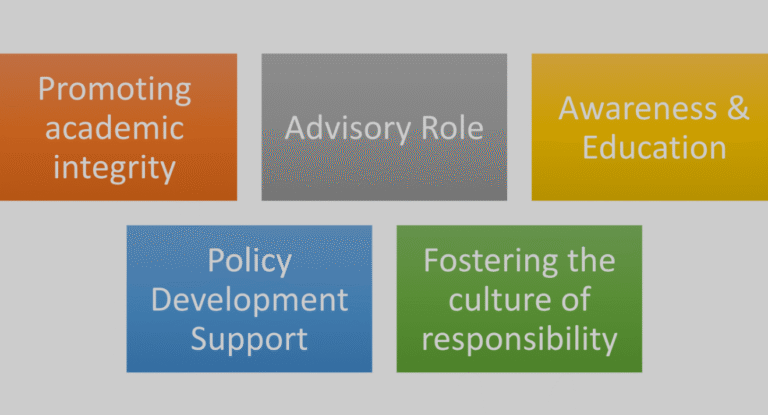
The student ethics panel is not just a debate club. It serves as a workshop for moral judgment, communication skills, and the common good. To be well-equipped, panel members research questions related to digital rights, laws, and use real-life cases as examples. This preparation provides them with the necessary know-how to challenge one another, spark discussion, and attract the interest of people who are both in the room and beyond.
One of the distinguishing features of the student-led model is the genuineness it imparts. Students understand each other’s points of view better, hence discussions become more pertinent and lively. It is a place where the new ethical principles are being tried and improved by those who will encounter these problems very soon.
Topics That Spark Conversation
Usually, the digital rights debate is associated with the coverage of numerous issues:
Privacy and Data Protection: To what extent should people be given control over their online personal data?
Surveillance: What restrictions in terms of ethics should governments and corporations keep?
Freedom of Speech vs. Misinformation: How to draw the border between being hateful and an attempt to oppress by means of freedom of speech?
Digital Divide: What measures could be implemented to provide all children with equal educational opportunities in a world that is becoming more digital?
AI Ethics: What kind of care should be taken while using machines that work automatically, and while robots are making decisions through algorithms?
By dealing with these questions, the panel sessions become not only mentally challenging but also very close to students ‘ everyday lives.
Building Skills and Awareness
Involvement in a student ethics panel has been shown to enhance the ability of thought and refine oral communication skills. The panel members become competent in presenting their viewpoint, being attentive, and talking politely with those who have different views. This kind of interaction develops empathy and makes minds open – two qualities that are highly required in the digital age, as the net-friendship can be both a source of one’s strength and separation.
Besides this, these arguments pose the question to the participants what their own digital habits. They become more conscious of their rights and duties in the virtual world, thus turning the given rights and responsibilities into personal action plans for digital citizenship.
Beyond the Panel: Campus and Community Impact
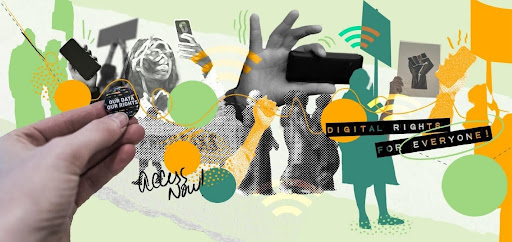
The impacts from a digital rights debate that is properly managed extend through the hallway outside the chamber. Besides, numerous student ethics committees engage audiences by offering workshops, designing promotional campaigns, and even working together with campus IT or student government officials to affect data security or social media usage policies. Thus, this ripple effect contributes to fostering the kind of campus culture where students not only consider technology use ethically, but also digital rights as their moral obligation.
Actually, some panels even cooperate with the local educational institutions or the non-profit organizations to have digital rights awareness over a wider area. They do so as they utterly understand that education is the only way to have a responsible digital future.
Challenges and Opportunities
When the issue of challenges is raised, it is quite correct to mention opening up discussions on digital rights as a sort of challenge. Surveillance or misinformation are some of the topics that can be covered in the discussion, and they are both controversial and can result in an angry debate. The student ethics panel, through its own functioning, exemplifies a model for civil discourse, thus instructing on how to deal with complicated issues that are emotionally charged, thoughtfully and respectfully.
With the coming technological advances, which keep reshaping the digital landscape, the very question of digital rights debates will not only be relevant but will also evolve. Hence, student-led panels become the most crucial places where new ideas about how to strike a balance between innovation and ethics are formed.
Conclusion
Talks on digital rights debates through a student ethics panel give young folk the power to shape their own digital paths. These chats help them learn, boost skills, and grow moral sense. This makes them ready to deal not just with the twists and turns of the online world, but also to guide its journey with smarts and brave moves.
FAQs: Peer-Led Digital Rights Debates
Q1. What is the primary purpose of holding such debates on campus?
The main purpose is to empower students with the knowledge and ethical framework needed to navigate and advocate for their rights in today’s complex digital landscape through structured, peer-led discussions.
Q2. Who typically leads these peer-led initiatives?
They are generally organized by student ethics panels, campus committees, or societies focused on technology, law, and digital communication ethics.
Q3. What kind of topics are usually covered?
Common subjects include data privacy, online surveillance, AI ethics, misinformation, and the individual’s right to digital anonymity.
Q4. How do these discussions contribute to campus policy?
Insights from these forums often become recommendations for student government or IT departments, helping shape fair and transparent technology use guidelines.
Q5. How do such forums teach civil discourse?
By providing a respectful, structured environment, these ethical debates encourage fact-based reasoning and demonstrate how to engage in challenging topics with empathy and logic.
Q6. Do these discussions involve outside community partners?
Yes. Many panels collaborate with NGOs, universities, and advocacy groups to expand awareness and promote digital literacy beyond campus.
Q7. What is the ‘ripple effect’ mentioned in this context?
It refers to how awareness generated in digital ethics debates spreads through campus culture, influencing policy, classroom conversations, and even online student behavior.
Q8. How does a student ethics panel prepare for such debates?
They conduct extensive background research, set clear participation rules, and host preparatory workshops to train speakers in structured argumentation and ethical reasoning.
Q9. Are challenges like misinformation discussed openly?
Absolutely. Tackling issues like algorithmic bias, fake news, and data manipulation lies at the heart of these student-led dialogues.
Q10. How do these initiatives help students professionally?
They build critical thinking, confident communication, and ethical judgment—skills valuable across professions, especially in data-driven or tech-related careers.
References
- M. J. Gallego-Arrufat, “Digital rights and responsibility in education: A scoping review,” Education Policy Analysis Archives, vol. 32, no. 3, 2024. : https://files.eric.ed.gov/fulltext/EJ1425368.pdf
- F. Siddiq, “Towards a code of ethics for using technology-enabled data and related analytical approaches,” Educational Technology Research, Oct. 31, 2024. : https://www.tandfonline.com/doi/full/10.1080/0969594X.2025.2453138
- L. Hakimi, “The ethics of using digital trace data in education,” Review of Educational Research, vol. 91, no. 4, pp. 597–622, Oct. 2021. : https://journals.sagepub.com/doi/10.3102/00346543211020116
- “Digital Ethics in Higher Education: 2020,” EDUCAUSE Review, 2020. : https://er.educause.edu/articles/2020/5/digital-ethics-in-higher-education-2020
- A. Guenduez, “Digital ethics: Global trends and divergent paths,” Technology in Society,2025: https://www.sciencedirect.com/science/article/pii/S0740624X25000449
Penned by Akshat Duggal
Edited by Reeya Kumari, Research Analyst
For any feedback mail us at [email protected]
Transform Your Brand's Engagement with India's Youth
Drive massive brand engagement with 10 million+ college students across 3,000+ premier institutions, both online and offline. EvePaper is India’s leading youth marketing consultancy, connecting brands with the next generation of consumers through innovative, engagement-driven campaigns. Know More.
Mail us at [email protected]