
Topics: Studio Feasts, Southeast Asian Cuisine
Introduction
Southeast Asia has long been celebrated for its vibrant food culture, bold Flavors, sizzling techniques, and a deep connection between cooking and community. In recent years, a new trend has taken place where this culinary richness has been brought into creative spaces-Southeast Studio feasts. These gatherings are often hosted in small studio kitchens, cultural hubs, or modern creative spaces, blending the fiery excitement of Southeast Asia cuisine with storytelling, artistry, and communal dining. They are more than meals; they are immersive experiences that showcase the spirit of a region where food is an expression of identity.
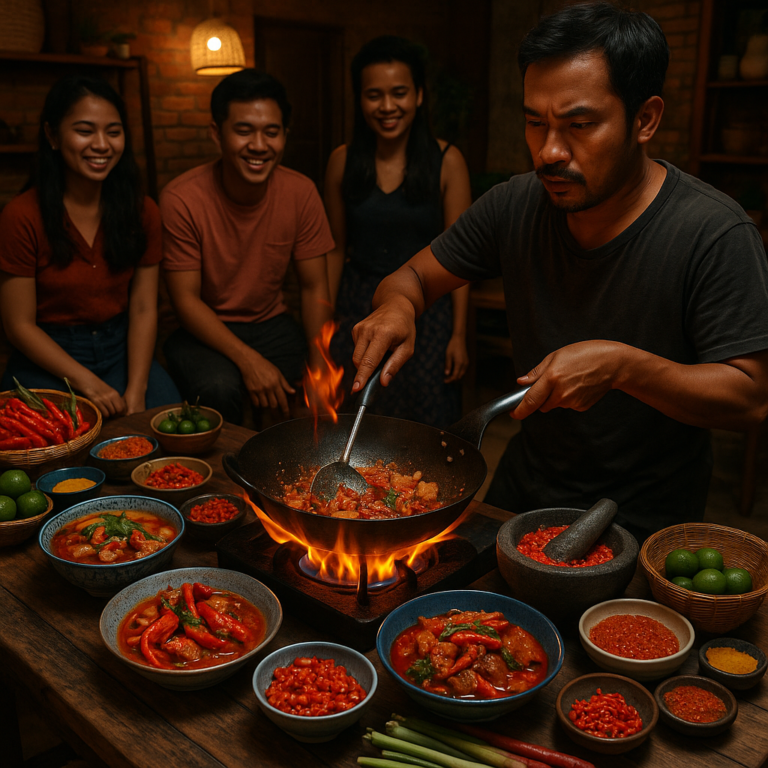
At the heart of these studio feasts is the idea of cooking as performance. Guests don’t simply sit and wait for dishes; they watch as chefs and home cooks roast spices, crush aromatics, and stir sizzling works over high flames. The fiery element is not just literal but symbolic; it represents the fierce passion Southeast Asia brings to culinary heritage. The unmistakable aroma of lemongrass, chilli, ginger, and garlic fills the room, while the rhythmic sounds of chopping become an artistic soundtrack.
The dish served at these feasts draws inspiration from the diverse cuisines of Thailand, Vietnam, Malaysia, Philippines, and Singapore. Bowls of tangy tom yum, smoky satay skewers, spicy sambal prawns, and rich rendang often share the table with lesser-known regional gems like Laotian larb, Burmese tea leaf salad, or Filipino Bicol express. Each dish tells a different story, revealing how geography, migration, and tradition shape food culture across Southeast Asia.
What makes these studio feasts unique is the intimate atmosphere. Unlike large restaurants or bustling night markets, the studio kitchen creates a closeness between chefs and diners. Guests ask questions, learn techniques, and often participate in pounding spices, wrapping dumplings, or seasoning soups under the chef’s guidance. This collaborative energy mirrors the communal nature of Southeast Asian dining, where meals are meant to be shared, and the art of eating becomes a bonding ritual.
Another defining aspect of culinary and artistic expression. Many studio feasts incorporate elements like live music, storytelling, photography exhibitions, or cultural workshops. Chefs may share personal memories behind recipes, childhood meals, family traditions, or travel across the regions. This transforms the dining experience into a cultural journey, helping guests understand not only what they are eating but why it matters.
The fiery nature of these events also appeals to adventurous diners. Southeast Asian food is known for its bold use of spices and heat, but the studio setting encourages guests to explore beyond their comfort zone. They learn how chilli complements sweetness, how fermented ingredients bring depth, and how herbs balance intensity. Fiery flavours are celebrated, not toned down, making these feasts a playground for spice lovers.
Ultimately, Southeast Studio feasts are attributed to the creativity, warmth, and diversity of Southeast Asia. They honor tradition while embracing innovation, blending heritage with modern storytelling. In every sizzling pan and fiery spoonful, they remind us that food is more than taste; it is culture, memory, and connection woven together through shared experience.
References
[1] P. Van Esterik, Food Culture in Southeast Asia. Routledge, 2008. [Online].
Available: https://www.routledge.com/Food-and-Culture-A-Reader/Counihan-Esterik/p/book/9780415977777
[2] “Southeast Asian Food Culture,” National University lesson-plan resource. [Online].
Available: https://www.niu.edu/clas/cseas/_pdf/lesson-plans/k-12/southeast-asian-food-culture.pdf Northern Illinois University
[3] “Food culture of Southeast Asia: perspectives of social science and food science,” 2020, Academic publication. [Online].
Available: https://dokumen.pub/food-culture-of-southeast-asia-perspectives-of-social-science-and-food-science-9783737602860-9783737602877-3737602867.html
[4] Y.-W. Chan, “Asian food and culinary politics: food governance,” Food Policy Journal, 2021. [Online].
Available: https://www.tandfonline.com/doi/full/10.1080/1683478X.2020.1779968
[5] “Exploring the Cultural Impact of Southeast Asian Cuisine,” Mekong Banquet, 2024. [Online].
Available: https://mekongbanquet.com/insights/exploring-the-cultural-impact-of-southeast-asian-cuisine
FAQs
Q1. What are Studio Feasts?
Studio Feasts are intimate dining events hosted in creative spaces where cooking, storytelling, and shared meals come together as immersive experiences.
Q2. How do Studio Feasts differ from traditional restaurants?
Unlike restaurants, these feasts focus on interaction, allowing guests to observe cooking techniques, ask questions, and participate in the process.
Q3. Why is Southeast Asian cuisine central to these feasts?
Southeast Asian cuisine is known for bold spices, heat, and balance of flavors, making it ideal for expressive and performance-based cooking experiences.
Q4. What types of dishes are commonly served at Studio Feasts?
Dishes often include curries, grilled skewers, fermented salads, and regional specialties inspired by Thailand, Vietnam, Malaysia, and nearby cultures.
Q5. Are Studio Feasts only about food?
No. Many events include music, storytelling, art displays, or cultural discussions that deepen the dining experience.
Q6. Who usually hosts Studio Feasts?
They are typically hosted by chefs, home cooks, artists, or cultural curators passionate about food and storytelling.
Q7. Do guests participate in cooking during these feasts?
Yes, guests may help with simple tasks like grinding spices or assembling dishes under guidance.
Q8. Why are these feasts popular among creative communities?
They blend food with art and conversation, creating meaningful social connections beyond traditional dining.
Q9. Are Studio Feasts suitable for spice beginners?
Yes. Hosts often explain flavor balance and help guests understand heat levels rather than overwhelming them.
Q10. What do Studio Feasts represent culturally?
They reflect community, heritage, and innovation, using food as a medium for cultural expression and shared memory.
Penned by Abhishek
Edited by Isha Yadav, Research Analyst
For any feedback mail us at [email protected]
Transform Your Brand's Engagement with India's Youth
Drive massive brand engagement with 10 million+ college students across 3,000+ premier institutions, both online and offline. EvePaper is India’s leading youth marketing consultancy, connecting brands with the next generation of consumers through innovative, engagement-driven campaigns. Know More.
Mail us at [email protected]