
Everyone jokes about stress on social media, but many of us are not just stressed. We are burnt out, anxious, and often overwhelmed. And yet, asking for help still feels scary or out of reach. That is where mental health apps built specifically for students are stepping in quietly but powerfully.
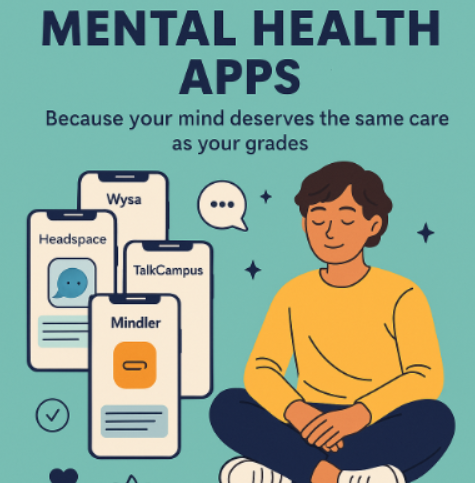
Because your mind deserves the same care as your grades
Let’s not sugarcoat it. Being a student today is intense. You are trying to keep up with lectures, assignments, career plans, relationships, and somehow not lose your mind in the process. It is not just about attending classes anymore. It is about surviving them emotionally, too.
Everyone jokes about stress on social media, but many of us students are not just stressed. We as students are burnt out, anxious, and often overwhelmed. And yet, asking for help still feels scary or out of reach.
That is where mental health apps built specifically for students are stepping in quietly but powerfully. They are not trying to replace therapy, but they do offer something that feels very real — support that is available, private, and designed for us.
Why students are turning to these Mental Health apps
They are always there. When your mind is racing at two in the morning or you are spiraling before an exam, most people are asleep. But these apps are not. You can open one, take a breath, or chat with an AI that responds with care.
There is no judgment. No need to explain yourself to a stranger in a waiting room. No one is watching your body language. Just you and your thoughts, shared in a space that feels safe. They get it. These apps do not give general advice meant for adults with full-time jobs. They talk about things that are part of student life — academic pressure, fear of failure, loneliness in hostels, panic before interviews.
They are affordable. Therapy is important, but not always accessible. Some students do not have the money or the time. These apps often cost nothing or very little. Some universities even provide free access as part of mental wellness programs.
A few mental health apps students use
Wysa
This app lets you chat with an AI that feels kind, not robotic. It helps you process thoughts and emotions using real psychological techniques like CBT. It is private and gentle.
Headspace
A go-to for many students who cannot sleep or need to calm their minds before a big day. The meditations are short and easy to follow. You do not need to be a mindfulness expert to benefit from it.
TalkCampus
This one is different. It connects you anonymously to other students around the world. You can talk freely about what you are feeling and realise others are feeling it too. That alone brings relief.
Mindler
If you are looking for access to professional help, Mindler connects you to trained therapists at student-friendly prices. The entire experience feels modern and approachable.
This is not a tech trend. It is a mindset shift.
For years, students have been told to push through. To tough it out. To keep going. But now, we are finally recognising that emotional health matters as much as academic performance. These apps are not magic solutions, but they are tools — real, usable, and comforting in moments that feel hard.
They give students a way to pause. To slow down. To breathe. To listen to their mind instead of ignoring them.
A gentle reminder before you close this tab
If you are feeling overwhelmed, anxious, or just off — you are not alone. Seriously. The rise of mental health apps students use today is proof that thousands of others are feeling what you are feeling, too.
You don’t need to wait for things to come crashing down before you take care of yourself. Five minutes on one of these apps can turn your mood around. Sometimes, that is all it takes.
So perhaps tonight, instead of scrolling blindly through things that make you feel awful about yourself, you can do something different. Open an app that makes you feel understood. One that allows you to slow down. One that shows you that you are trying — and that is enough.
FAQ: Mental Health Apps for Students
1. What are mental health apps for students?
Mental health apps are mobile or web-based tools designed to support emotional well-being. They help students manage stress, anxiety, and burnout through features like guided meditation, mood tracking, and AI-based chat support.
2. How do mental health apps work?
Most mental health apps offer activities like breathing exercises, journaling prompts, meditation tracks, and even AI conversations. They are available anytime, giving students instant access to support without needing an appointment.
3. Are mental health apps a replacement for therapy?
No. Mental health apps are not a substitute for professional therapy, but they can be a helpful complement. They offer immediate, affordable, and private support for everyday challenges.
4. Why are students using mental health apps more than before?
With academic pressure, financial stress, and social isolation on the rise, students are turning to mental health apps for on-demand, judgment-free emotional care.
5. Which mental health apps are popular among students?
Some widely used mental health apps for students include Wysa, Headspace, TalkCampus, and Mindler—each offering different forms of support like meditation, peer connection, or affordable therapy access.
6. Are mental health apps free to use?
Many mental health apps have free versions with basic features. Some universities also offer premium access for free as part of student wellness programs.
7. Do mental health apps really help reduce stress?
Yes. Studies show that regular use of mental health apps can help lower stress levels, improve focus, and enhance overall mood—especially when paired with healthy lifestyle habits.
8. Can I use mental health apps at night?
Absolutely. One of the biggest advantages of mental health apps is their 24/7 availability, making them perfect for late-night anxiety or pre-exam stress.
9. Is my data safe on mental health apps?
Most reputable mental health apps follow strict privacy policies and encrypt your data. Always check the app’s privacy statement before signing up.
10. How do mental health apps support students with exam anxiety?
Mental health apps offer quick relaxation exercises, positive affirmations, and calming meditations that help students manage performance-related stress before and during exams.
11. Can mental health apps help with loneliness?
Yes. Apps like TalkCampus connect you with other students anonymously, creating a safe space to share feelings and realise you are not alone.
12. Are mental health apps effective for long-term well-being?
While they can’t replace ongoing therapy, consistent use of mental health apps can build positive habits, increase self-awareness, and provide regular emotional check-ins.
13. Do I need special devices to use mental health apps?
No. Most mental health apps work on standard smartphones and tablets, and some even have web-based versions you can use from your laptop.
14. How often should I use mental health apps?
It’s flexible. Some students use them daily for meditation or journaling, while others turn to them during high-stress moments. Even a few minutes a day can make a difference.
15. What should I look for in a mental health app?
Look for features that match your needs—like AI chat support, guided meditations, therapy access, or peer communities. Also, check user reviews, privacy policies, and cost before committing.
Penned by Aditya Singh Rawat
Edited by Shashank Khandelwal, Research Analyst
For any feedback mail us at [email protected]
Transform Your Brand's Engagement with India's Youth
Drive massive brand engagement with 10 million+ college students across 3,000+ premier institutions, both online and offline. EvePaper is India’s leading youth marketing consultancy, connecting brands with the next generation of consumers through innovative, engagement-driven campaigns. Know More.
Mail us at [email protected]