

Topics: science of nutrition, nutrition and diet
The Science of Nutrition and Diet explores how the foods we consume affect the body at a biological and chemical level. Nutrition science studies the essential nutrients—carbohydrates, proteins, fats, vitamins, minerals, and water—and explains how they support growth, energy production, immunity, and overall health. A balanced diet provides the right proportion of these nutrients, helping the body function efficiently and reducing the risk of chronic diseases such as obesity, diabetes, and heart conditions.
This topic also highlights how different diets influence metabolism, digestion, and long-term well-being. It examines the role of calories, portion control, and food quality, emphasizing that nutrition is not just about eating less or more, but about eating wisely. Scientific research shows that individual factors such as age, lifestyle, physical activity, and genetics affect dietary needs, making personalized nutrition increasingly important.
Understanding the science behind nutrition enables people to make informed food choices, avoid misinformation, and adopt healthier eating habits. By applying nutritional science to daily life, individuals can improve energy levels, maintain a healthy weight, and support mental and physical performance, leading to a better quality of life.
NUTRITION SCIENCE: PRINCIPLES & DIETARY HEALTH
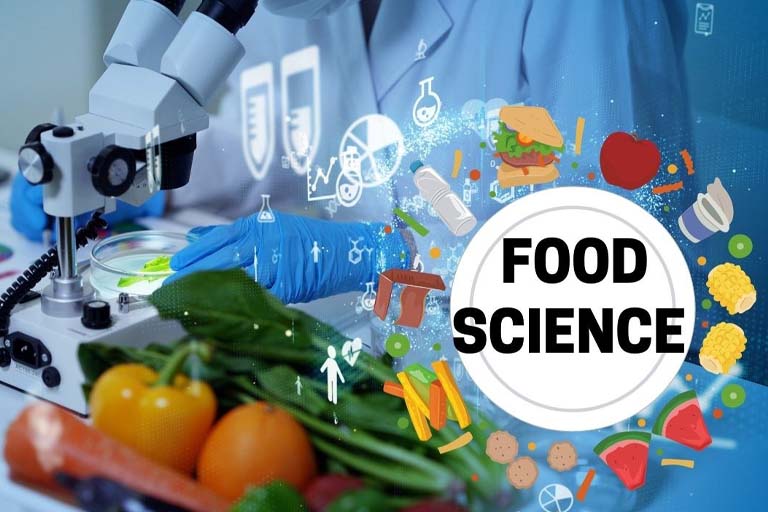
What Is the Science of Nutrition and Diet?
The science of nutrition and diet studies how food and nutrients affect the human body, growth, and overall health. It explains how different nutrients are digested, absorbed, and utilized to produce energy, repair tissues, and support vital bodily functions. This field helps individuals understand the connection between diet and long-term well-being.
Why Is Nutrition Important for the Human Body?
Nutrition is essential because it provides the body with the energy and nutrients required for daily activities and survival. Proper nutrition supports immune function, brain health, muscle strength, and hormonal balance. Poor dietary habits can lead to nutrient deficiencies, fatigue, and increased risk of diseases.
What Are Essential Nutrients and Why Are They Needed?
Essential nutrients include carbohydrates, proteins, fats, vitamins, minerals, and water. Each nutrient has a specific role—carbohydrates supply energy, proteins help in tissue growth and repair, fats support cell function, vitamins and minerals regulate metabolic processes, and water maintains hydration and body temperature.
How Does a Balanced Diet Support Good Health?
A balanced diet ensures that the body receives all essential nutrients in the right proportions. It includes a variety of foods such as fruits, vegetables, whole grains, lean proteins, and healthy fats. Following a balanced diet helps maintain a healthy weight, improves digestion, and reduces the risk of chronic illnesses.
How Does Diet Influence Metabolism?
Diet directly affects metabolism, which is the process by which the body converts food into energy. Nutrient-dense foods help regulate blood sugar levels and improve energy efficiency. Poor dietary choices can slow metabolism and contribute to weight gain and metabolic disorders.
Can Nutrition Help Prevent Diseases?
Yes, scientific research shows that proper nutrition plays a significant role in preventing lifestyle-related diseases such as diabetes, heart disease, obesity, and certain cancers. Diets rich in natural, unprocessed foods help protect the body and promote long-term health.
What Is Personalized Nutrition?
Personalized nutrition focuses on creating diet plans based on an individual’s age, gender, activity level, genetics, and health conditions. This approach improves the effectiveness of dietary choices and supports sustainable, healthy eating habits.
How Do Lifestyle Factors Affect Nutrition?
Lifestyle factors such as physical activity, sleep, stress levels, and hydration influence how the body responds to nutrition. A healthy lifestyle combined with proper diet enhances nutrient absorption and overall health outcomes.

CONCLUSION
The science of nutrition and diet provides a strong foundation for making healthier food choices and adopting sustainable eating habits. By understanding how nutrients affect the body, individuals can improve physical health, enhance mental clarity, and reduce the risk of disease. Applying nutrition science in everyday life leads to long-term well-being and improved quality of life.
FAQs
Q1: What is the main goal of nutrition science?
The main goal is to understand how nutrients support bodily functions and promote optimal health.
Q2: How does a balanced diet benefit overall health?
It ensures adequate nutrient intake, supports immunity, and reduces the risk of chronic diseases.
Q3: Is one diet suitable for everyone?
No, dietary needs differ based on individual factors such as age, lifestyle, and health status.
Q4: Can nutrition affect mental health?
Yes, proper nutrition supports brain function, mood regulation, and cognitive performance.
REFERENCES
World Health Organization (WHO). Nutrition and Health Guidelines
Food and Agriculture Organization (FAO). Human Nutrition Reports
National Institutes of Health (NIH). Dietary Reference Intakes
Harvard T.H. Chan School of Public Health. The Nutrition Source
Penned by Catherine Antony
Edited by Catherine Antony, Research Analyst
For any feedback mail us at [email protected]
Transform Your Brand's Engagement with India's Youth
Drive massive brand engagement with 10 million+ college students across 3,000+ premier institutions, both online and offline. EvePaper is India’s leading youth marketing consultancy, connecting brands with the next generation of consumers through innovative, engagement-driven campaigns. Know More.
Mail us at [email protected]