
Decoding the Adversary: The Critical Role of Threat Intelligence Analysis in Modern Cybersecurity
Topics: Threat Analysis, Data Breach
Abstract
With cyberattacks that occur with relentless intensity and increasing complexity, a more passive form of cyber security is no longer effective. There must be a transformation in a proactive approach to predict the moves of malicious entities. This is now made possible through threat intelligence analysis, a methodical way of deciphering the intentions, and patterns followed by malicious cyber actors. Through the use of intelligence methodologies on large data sets, security professionals can make use of data to form meaningful intelligence. This report delves into threat intelligence analysis, its classification, need, and importance through recent reports on the effect of intelligent defense on the economy through internet security reports.
Introduction
The cyber domain is marked by an imbalance of information, as the attacker succeeds once, whereas the defender has to succeed every time. The number of alerts thrown by cybersecurity systems flooding the SOC creates a problem of “alert fatigue” or missing critical alerts. In recent years, one of the strategies adopted by organizations against this problem is Cyber Threat Intelligence.
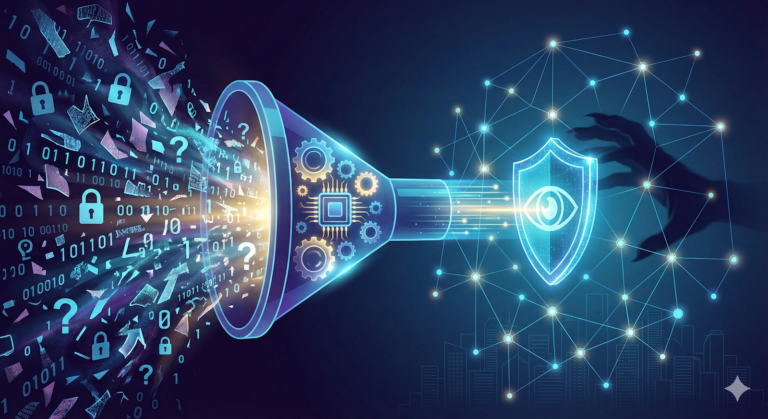
In essence, CTI refers to the body of knowledge about adversaries and their tradecraft that assists security teams in making informed decisions. In contrast, a set of malicious IP addresses qualifies as mere data. This is because intelligence agencies perform a process on the underlying information to enrich it with context. This process refers to threat intelligence analysis. This process entails the use of intelligence methods to assess information and make predictions about future attacks. Good threat analysis answers questions beyond “What’s attacking me?”; instead, these questions can include “Who is attacking me? What are their reasons? And what’s next?”
The Intelligence Cycle: From Data to Actionable Intelligence
Indeed A threat analysis report is no random process; it entails the following lifecycle to guarantee the intelligence derived is relevant and actionable.
Direction and Planning:
This initial stage of information involves requirement setting. Which assets are most crucial that need to be safeguarded? How likely are these adversaries going to pose threats? Without proper direction, the activity of information gathering becomes a futile effort of mere information hoarding.
Collection:
The data is collected from various sources. The data sources include open source intelligence (OSINT), technical feeds from security companies, dark web forums, and internal telemetry data from the logs.
Processing:
Raw data needs to be normalized and enriched. This can include the means of automated intelligence methods such as the translation of international language messages, the decryption of files, or the correlation of varied bits of information into a cohesive whole.
Analysis and Production:
This is the human-machine critical element in this process. Analysts utilize structured methods of analysis like Analysis of Competing Hypotheses (ACH) in analyzing and evaluating assumptions in light of processed data. They join the dots that do not connect to come up with the campaign and ascribe it to its malicious actors.
Dissemination:
The finished intelligence product needs to get into the hands of the correct person in the correct format and style.
Feedback:
The stakeholders provide feedback on the value of the information, and this helps in improving future plans and collection of information.
Tiers of Intelligence:
The effective threat assessment leads to intelligence creation on three different levels:
Strategic Intelligence:
Targeted at the executive level or the board. The emphasis will be at the level of general trends, the motivation for the attack in geopolitical terms, and the potential consequence in terms of financial or reputational damage to the firm.
Operational Intelligence:
This is intended for use by cybersecurity threat hunters or incident response professionals. Operational intelligence tends to concentrate on the Tactics, Techniques, and Procedures of adversaries or malicious actors, who are typically represented or cataloged in models such as MITRE ATT&CK.
Tactical Intelligence:
The most technical level, which is designed for automated tools and SOC analysts. This level contains the Indicator of Compromise (IOCs), which comprise malicious IP addresses, hashes, and domains. This level has the most detail and provides real-time blocking and detection.
The Imperative of Intelligence:
Lessons from Web Reports
Recent studies in the industry emphasize the need for the incorporation of threat analysis in security operations. The main factors contributing to this need include the reduction of financial loss and the need for quicker incident response times.
Based on the IBM study called ‘Cost of a Data Breach Report’ in 2023, IBM states that today “the cost of a data breach has never been higher.” The ‘Cost of a Data Breach Report’ study actually achieved an all-time record average cost per data breach of $4.45 million. Notably, this study identifies how AI automation, which is deeply reliant on carefully managed threat intelligence, changes this ‘time to breach’ dramatically. The study finds that when security AI and automation are used extensively in an organization, there is an average ‘time to breach’ that is 108 days shorter than in an organization which does not use security AI automation. Moreover, costs of a data breach in organizations which used security AI automation extensively are lower by nearly $1.76 million.
Further, the pace of attackers necessitates expedited analysis. Mandiant’s report, M-Trends 2024, highlights “dwell time”—how long a malicious actor evades detection on a network. Although the worldwide average dwell time is now 10 days, Mandiant reports more cases of ransomware, where the dwell times become substantially shorter because the attacker wants immediate disruption, not extended espionage. This shortens the timeline for the defensive team, leaving little margin for error. Expedited threat analysis, using high-fidelity intelligence, is the only effective way to identify and mitigate these fast-moving threats before they bring about encryption.
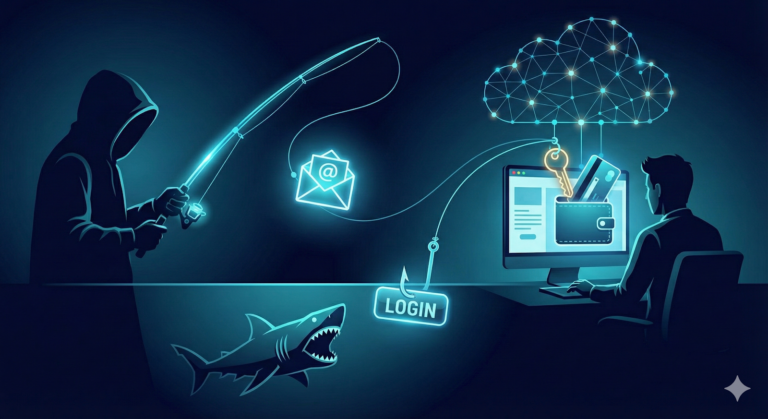
The Verizon 2024 DBIR continues to emphasize the importance of the human aspect in threat analysis. It is discussed in the report that the “human element” (such as being phished or misconfigured) was seen in 68% of breaches. The analysis of threat intelligence must obviously take into consideration the psychological tactics that are used in this regard, in addition to the technical signs that could be seen in the exploitation kits.
Conclusion
The investigation of threats was an esoteric skill set for the government and is now a new and important prerequisite for the security posture of the enterprise. As suggested in the major industry reports, the increased velocity of analysis and the automation of responses that are derived from the intelligence are directly related to decreased financial impact and decreased response time. The only way that an organization can proactively defend its assets in the arrogant and reactive environment of the cat-and-mouse cybersecurity game is with intelligence.
References
[1] IBM Security, “Cost of a Data Breach Report 2023,” IBM Corporation, Armonk, NY, USA, Tech. Rep., Jul. 2023. [Online].
Available: https://www.ibm.com/reports/data-breach
[2] Mandiant (Google Cloud), “M-Trends 2024: Special Report,” Google LLC, Mountain View, CA, USA, Tech. Rep., Apr. 2024. [Online].
Available: https://www.mandiant.com/resources/reports/m-trends-2024
[3] Verizon, “2024 Data Breach Investigations Report (DBIR),” Verizon Communications Inc., New York, NY, USA, Tech. Rep., May 2024. [Online].
Available: https://www.verizon.com/business/resources/reports/dbir/
FAQs
Q1. What is threat analysis in cybersecurity?
Threat Analysis is the process of studying attacker behavior, patterns, and motives to stop cyber risks like a Data Breach early.
Q2. Why is threat analysis important today?
It helps defenders predict attacks, reduce false alerts, and prevent identity misuse that could lead to a Data Breach.
Q3. Who uses threat analysis reports?
Security teams, SOC analysts, and incident responders rely on Threat Analysis to stop fast-moving cyber threats.
Q4. What are the main goals of threat analysis?
To detect abnormal activity, reduce alert fatigue, and block attacks before they turn into a Data Breach.
Q5. Can threat analysis prevent ransomware attacks?
Yes, early Threat Analysis identifies unusual internal activity, helping teams act before files are encrypted.
Q6. What causes most data breaches?
Phishing, misconfigurations, and weak monitoring are top causes of a Data Breach in modern networks.
Q7. How does threat analysis reduce data breach losses?
By spotting threats sooner, Threat Analysis limits exposure and reduces the financial impact of a Data Breach.
Q8. What is the intelligence cycle in threat analysis?
It includes planning, data collection, and evaluation to stop threats that could lead to a Data Breach.
Q9. What challenges exist in threat analysis adoption?
Legacy system integration, rule tuning, and team training are common challenges in Threat Analysis deployment.
Q10. What is the future of threat analysis?
AI automation, faster monitoring, and behavioral tracking will improve Threat Analysis and reduce breaches.
Penned by Tushar
Edited by Pranjali, Research Analyst
For any feedback mail us at [email protected]
Transform Your Brand's Engagement with India's Youth
Drive massive brand engagement with 10 million+ college students across 3,000+ premier institutions, both online and offline. EvePaper is India’s leading youth marketing consultancy, connecting brands with the next generation of consumers through innovative, engagement-driven campaigns. Know More.
Mail us at [email protected]