
5 Ways by which students could be benefitted through robotic programs
In today’s rapidly evolving world, innovation and sustainability are intertwined with each other rather than separate objectives. One powerful and mindful example of it would be the rise of student recycling robots, where young minds create robotic systems using multipurpose channels. This method not only helps in encouraging creativity and problem solving skills but also encourages the purpose of STEM green learning which integrates technology, science, arts and environmental agendas. Beyond the robotic program and project the students could be benefitted in several domains of life. Teams and robots working for recycling are paving a way for a future where technology development is both inclusive and sustainable.
What are Recycling Robots?
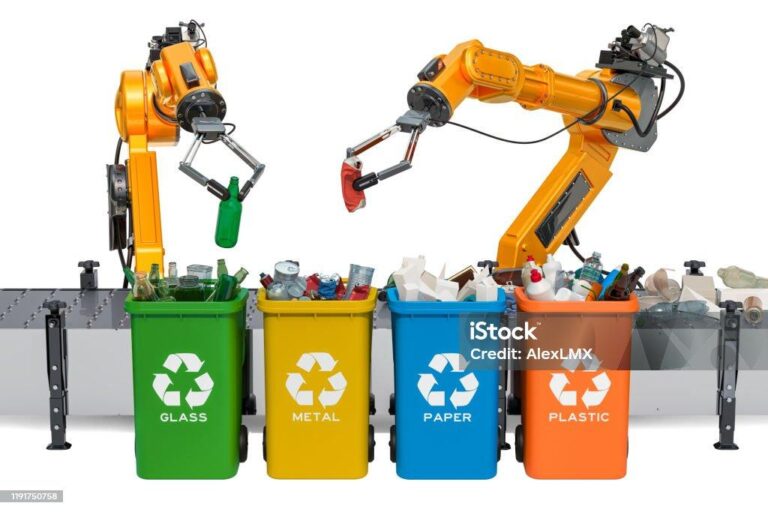
Recycling robots are devices primarily meant from reused or recycled electronic components, discarded machinery and even parts from previously made robotic projects instead of spending and depending wholly on costly robotic kits, components gathering from outdated gadgets and from community donations and contributions these robots are created.
By making robot from recyclable and reusing parts, the students not only gather knowledge about creation of robot but also the significance of resource efficiency which makes it multipurpose for the students as there is gist of practical technical knowledge as well as the environmental awareness which makes the students much better in technicalities and as a person too.
Role of STEM Sustainability
Recycling robotic teams plays a very crucial role in promoting STEM sustainability by ensuring that science and technology harm the students in any way rather than that it must teach and make them ecologically aware. Each robot constructed from these repurposed parts helps in reducing waste and also minimizes discarded batteries.
The sustainability aspect extends beyond environmental benefits, it also enhances long term access to STEM education. These robotics programs and learning workshops could be costly, deterring many schools and students from participating and by recycling and reusing the wastes, old robots, discharged batteries this would help in controlling expenses, enabling more students to engage and even would be beneficial to schools because of less expenses involved in it because of which more schools could take interest in it as cost effectiveness encourages inclusivity allowing students and schools from diverse backgrounds to participate.
Benefits beyond Recycling
Although the primary agenda is to reuse resources still there are several other influences and quality the student learn and engage with beyond recycling:
- Skill Development: Students acquire practical experience in the worlds of electronics, arts, mechanics and even the technicalities of every domain.
- Innovation under Constraints: Working with less and only sufficient resources encourages the students in thinking creatively and also fosters adaptability and resilience.
- Teamwork and Leadership: Most of the recycling robotics programs are team oriented, helping students, developing knowledge and technicalities together and leadership.
- Awareness Building: By participating in these sustainability and robot projects, students develop a sense of accountability and responsibility towards the environment which they carry into future careers.
Together these benefits prepare students not only for programmers, engineers but also responsible innovators.
The Future of Recycling Robotics
The future of recycling robotics looks promising as the world is on a rapid level leaning towards green learning and technologies and sustainability engineering. Many industries already emphasize circular economic models, where they become a resource. By involving the students in similar projects early on, education systems prepare them for future careers in green technology, robotics and sustainable designs.
Conclusion
The movement of student recycling robots depicts that education, sustainability and love for the mother earth can thrive together, these robotic programs and green learning not only makes the student shine in a particular domain but also the qualities needed in a qualified and successful person could be seen. By integrating robotics into STEM, green learning schools and communities are producing a new generation of problem solvers who understand both the power of technology and the responsibility of preserving our environment. In the current scenario, Investing and supporting these robotic programs and teams means investing in a future where technology is not only smarter but also greener which helps in ensuring development is encouraged without any constraint to our planet.
References
[1] H. alimisis “educational robotics” https://files.eric.ed.gov/fulltext/EJ1131605.pdf
[2] M. Eguchi, “robotics as a learning tool and for green learning” https://www.researchgate.net/publication/282861889_Robotics_as_a_Learning_Tool_for_Educational_Transformation
[3] J.M Wing, “Computational thinking ad STEM education” https://doi.org/10.1145/3341221
FAQs
Q1. What is STEM green learning?
STEM green learning is an educational approach that combines science, technology, engineering, and math with sustainability and eco-friendly practices.
Q2. Why is STEM green learning important for students?
STEM green learning is important because it equips students with critical thinking, problem-solving, and sustainable innovation skills for the future.
Q3. How does STEM green learning improve sustainability awareness?
STEM green learning improves awareness by teaching students how to apply STEM principles in renewable energy, recycling, and environmental projects.
Q4. What skills can students gain from STEM green learning?
Students gain eco-innovation, teamwork, and technological literacy skills through STEM green learning while focusing on real-world sustainability challenges.
Q5. Where is STEM green learning commonly applied?
STEM green learning is applied in schools, universities, and training programs that emphasize climate solutions, green energy, and sustainable technologies.
Q6. How can teachers integrate STEM green learning into classrooms?
Teachers can integrate STEM green learning through project-based activities like solar model building, recycling initiatives, and green tech simulations.
Q7. Does STEM green learning prepare students for careers?
Yes, STEM green learning prepares students for careers in renewable energy, sustainable engineering, environmental research, and green technology industries.
Q8. Can digital tools enhance STEM green learning?
Digital platforms and AI tools make STEM green learning more engaging with simulations, eco-project design, and global collaboration opportunities.
Q9. What are the challenges in implementing STEM green learning?
Challenges in STEM green learning include limited resources, lack of training for educators, and balancing traditional STEM with sustainability goals.
Q10. What is the future of STEM green learning in education?
The future of STEM green learning involves more global adoption, advanced eco-technologies, and preparing students for sustainable problem-solving.
Penned by Vaibhav Mittal
Edited by Ragi Gilani, Research Analyst
For any feedback mail us at [email protected]
Transform Your Brand's Engagement with India's Youth
Drive massive brand engagement with 10 million+ college students across 3,000+ premier institutions, both online and offline. EvePaper is India’s leading youth marketing consultancy, connecting brands with the next generation of consumers through innovative, engagement-driven campaigns. Know More.
Mail us at [email protected]