
Decoding Gen-Z Student Life: 7 Trends Shaping Student Life in 2026
Published: October 14, 2026
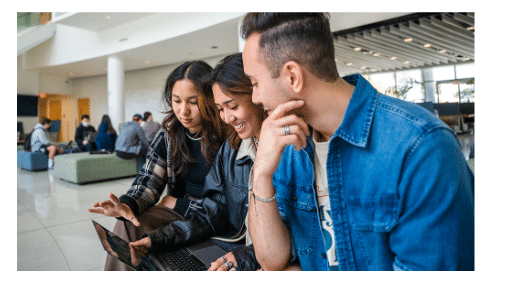
gen-z student life
Meta description
Discover how Gen-Z students are reshaping college life in 2026 through AI, digital skills, side hustles, mental health awareness, and career growth.
Decoding Gen-Z Student Life: 7 Trends Shaping Student Life in 2026
Introduction
Student life in 2026 is about much more than attending classes and passing examinations. Gen-Z students are balancing academics, career planning, social media, personal interests, and financial independence. Technology is changing how they study, while new career opportunities are encouraging them to explore skills outside their college syllabus.
Let’s look at seven trends shaping student life in 2026.
- AI Is Becoming a Study Partner
Artificial intelligence is changing how students learn. AI tools can help explain difficult topics, summarise notes, generate practice questions, and organise study schedules. They allow students to explore concepts at their own pace.
However, using AI for every assignment can reduce independent thinking. Students should use it to understand subjects better rather than simply copy its answers.
- Skills Beyond Degrees
A degree remains important, but practical skills can help students stand out. Graphic design, video editing, coding, digital marketing, and communication are some skills students are exploring alongside their studies.
Online courses, personal projects, and workshops allow students to practise these skills. Building a portfolio can also help them demonstrate their abilities when applying for internships and jobs.
- Side Hustles and Financial Independence
Many students are exploring ways to earn while studying. Freelancing, tutoring, content creation, and social media management are popular options to consider.
Earning even a small amount can teach students budgeting, responsibility, and time management. However, students should be careful about online scams and unrealistic promises of quick money. Education and rest should not be sacrificed for a side hustle.
- Mental Health and Work-Life Balance
Academic pressure, placement competition, and social media comparisons can make student life stressful. Young people are increasingly discussing the importance of mental health and maintaining a balanced routine.
Getting enough sleep, spending time with friends, exercising, and taking breaks can help students manage everyday stress. Success should not mean being productive every minute of the day.
- Digital Creativity and Personal Branding
Social media is becoming more than a source of entertainment. Students use platforms such as LinkedIn, Instagram, and YouTube to showcase their work and connect with others.
A political science student might publish current-affairs explainers, while a design student could share creative projects. These activities help students practise communication and build a portfolio without needing to become influencers.
- Internships and Practical Experience
Internships, volunteering, research projects, and college societies provide opportunities to learn outside the classroom. They help students understand professional environments and develop teamwork, communication, and organisational skills.
Instead of collecting certificates just to fill their resumes, students should look for opportunities that provide meaningful learning and real responsibilities.
- Communities Beyond the Classroom
Student societies, college festivals, hobby groups, and volunteering activities help students make friends and explore their interests. They also provide opportunities to work with people from different backgrounds.
Although digital connections are useful, face-to-face interactions remain important for developing confidence, communication skills, and lasting friendships.
Conclusion
Gen-Z student life in 2026 is shaped by technology, career ambitions, creativity, and growing awareness of personal well-being. Students are discovering new ways to learn, earn, connect, and prepare for the future.
There is no single formula for making the most of college. The important thing is to stay curious, develop useful skills, build genuine connections, and make choices that support long-term growth.
College is not just about preparing for the future; it is about learning how to shape it.
References
[1] Higher Education Policy Institute, “Student Generative AI Survey 2026,” 2026. [Online]. Available: https://www.hepi.ac.uk[ accessed on 8th October 2026]
[2] Deloitte, “2026 Gen Z and Millennial Survey,” 2026. [Online]. Available: https://www.deloitte.com/[ accessed on 8th October 2026]
[3] World Health Organization, “Mental health of adolescents.” [Online]. Available: https://www.who.int/news-room/fact-sheets/detail/adolescent-mental-health[ Accessed on 8th October 2026]
[4] UNESCO, “Artificial intelligence in education.” [Online]. Available: https://www.unesco.org/en/digital-education/artificial-intelligence[ accessed on 9th October 2026]
Gen-Z Student Life: 20 Key Takeaways, 20 FAQs, and One Core Marketing Question
Gen-Z student life in 2026 is evolving through artificial intelligence, digital creativity, career-focused learning, financial independence, mental health awareness, and changing social habits. Students are increasingly combining classroom education with practical experiences to develop skills, explore opportunities, and prepare for an uncertain job market.
The following key takeaways and FAQs highlight the major trends shaping Gen-Z student life and explain how students, educators, and colleges can respond to these changes.
20 Key Takeaways on Gen-Z Student Life
1. AI Is Transforming Learning: AI tools can help students understand complex topics, summarize notes, generate practice questions, and organize study schedules when used responsibly.
2. Practical Skills Complement Academic Degrees: Skills such as coding, graphic design, communication, and digital marketing can help students demonstrate their abilities beyond academic qualifications.
3. Side Hustles Encourage Financial Independence: Freelancing, tutoring, and other flexible income opportunities can help students develop budgeting skills and understand financial responsibility.
4. Mental Health Is an Important Priority: Managing academic pressure, maintaining healthy routines, and seeking support when necessary can contribute to a healthier student experience.
5. Digital Creativity Supports Personal Branding: Sharing projects, creative work, and professional interests online can help students develop a portfolio and establish a professional presence.
6. Internships Provide Practical Experience: Internships help students understand workplace expectations, apply classroom knowledge, and explore potential career paths.
7. Student Communities Strengthen Social Connections: College societies, hobby groups, cultural festivals, and volunteering activities help students build friendships and develop teamwork skills.
8. Responsible AI Use Is Essential: Students should verify AI-generated information, protect personal data, follow academic integrity policies, and use AI to support rather than replace independent thinking.
9. Online Learning Expands Opportunities: Digital courses and educational platforms allow students to explore new subjects and develop skills beyond their formal curriculum.
10. Portfolio Building Helps Demonstrate Skills: Personal projects, research, internships, and creative work provide evidence of practical abilities for future applications.
11. Work-Life Balance Supports Sustainable Growth: Students benefit from balancing academics, career preparation, recreation, sleep, and relationships instead of pursuing constant productivity.
12. Financial Awareness Is Becoming More Important: Understanding budgeting, saving, spending, and online financial risks can help students make informed financial decisions.
13. Social Media Can Support Career Development: Platforms can help students discover opportunities, share their work, and connect with professional communities when used thoughtfully.
14. Networking Starts During College: Relationships with classmates, professors, mentors, and alumni can provide guidance, collaboration opportunities, and professional insights.
15. Communication Skills Remain Valuable: Presentations, group projects, debates, and internships help students practise expressing ideas and working with others.
16. Meaningful Experience Matters More Than Certificates Alone: Students should prioritize activities that develop useful skills, involve genuine responsibility, and produce tangible learning outcomes.
17. Digital Connections Do Not Replace Every Face-to-Face Interaction: In-person conversations and collaborative activities can help students develop interpersonal skills and lasting relationships.
18. Career Exploration Can Begin Before Graduation: Workshops, research projects, online courses, internships, and student societies can help students identify their interests and strengths early.
19. Adaptability Is a Valuable Student Skill: Gen-Z students benefit from learning continuously, responding to technological changes, and adjusting their plans as new opportunities emerge.
20. There Is No Single Formula for Student Success: Students have different interests, financial circumstances, responsibilities, and ambitions. A balanced approach should reflect their individual needs and long-term goals.
One Core Marketing Question
Writing
How can colleges, universities, and student-focused brands engage Gen-Z students in 2026 by combining AI-powered learning, career-ready skills, financial awareness, mental well-being, and meaningful campus experiences?
20 FAQs About Gen-Z Student Life
1. What is Gen-Z student life?
Gen-Z student life describes the academic, social, digital, and career experiences of Generation Z students. It often involves balancing education with technology, skill development, personal interests, financial considerations, and well-being.
2. What are the major trends shaping Gen-Z student life in 2026?
Major trends include AI-assisted learning, practical skill development, side hustles, mental health awareness, digital creativity, internships, personal branding, and participation in student communities.
3. How is AI changing Gen-Z student life?
AI can help students explain difficult concepts, summarize study materials, create practice questions, organize tasks, and explore ideas. Students should verify its output and follow their institutions’ rules for academic work.
4. How can Gen-Z students use AI for studying?
Students can use AI to generate revision questions, explain concepts in simpler language, practise problem-solving, create study plans, and identify topics that require more attention. They should still develop their own understanding and verify important information.
5. Why are practical skills important for Gen-Z students?
Practical skills help students apply academic knowledge to real-world problems. Communication, teamwork, coding, research, and digital skills can strengthen career preparation and support professional development.
6. What side hustles can students explore while studying?
Depending on their skills, schedules, and local requirements, students can consider tutoring, freelance design, video editing, writing, coding, or social media management. They should check opportunities carefully for scams and avoid commitments that interfere with their studies or well-being.
7. How can students balance academics and side hustles?
Students can set realistic working hours, prioritize important deadlines, track expenses and income, and review their workload regularly. Education, sleep, and personal well-being should remain important considerations.
8. Why is mental health important in Gen-Z student life?
Mental health influences concentration, relationships, motivation, and daily functioning. Recognizing stress, maintaining healthy routines, connecting with supportive people, and seeking professional help when needed can support student well-being.
9. How can Gen-Z students build a personal brand?
Students can identify their interests, share relevant projects, create a professional profile, document achievements, and participate in communities related to their fields. Authenticity and consistency are more useful than chasing online popularity.
10. How do internships benefit college students?
Internships provide exposure to workplace environments, professional responsibilities, teamwork, and industry expectations. They can help students test career interests and identify skills they need to improve.
11. Are online courses useful for Gen-Z students?
Yes. Online courses can help students explore unfamiliar subjects, learn technical skills, and supplement classroom education. Their value depends on course quality, practical application, and relevance to the student’s goals.
12. How can students improve their financial independence?
Students can begin by preparing a budget, tracking expenses, distinguishing needs from wants, saving when possible, and learning basic financial concepts. Those earning money should also understand applicable taxes and payment terms.
13. What role does social media play in Gen-Z student life?
Social media can support learning, entertainment, creativity, networking, and career exploration. However, students should manage screen time, verify information, protect their privacy, and avoid unhealthy comparisons with others.
14. Why are student societies important for Gen-Z students?
Student societies provide opportunities to explore interests, make friends, organize events, develop leadership skills, and collaborate on projects. They can also help students discover interests that influence future career choices.
15. How can Gen-Z students prepare for future careers?
Students can combine academic learning with internships, practical projects, networking, relevant certifications, communication practice, and career exploration. Regularly reviewing industry expectations can help them identify useful skills to develop.
16. How can students build a strong portfolio during college?
Students can collect examples of projects, research, design work, writing, coding, event management, and other relevant achievements. Each entry should explain their contribution, the skills used, and the outcome where possible.
17. How can Gen-Z students avoid burnout?
Students can set realistic goals, schedule breaks, maintain healthy sleep habits, seek support, and avoid overcommitting to academic or extracurricular activities. Persistent or severe distress may require professional support.
18. Do Gen-Z students need to be active on every social media platform?
No. Students can choose platforms that support their interests, communication preferences, or career goals. Maintaining a useful and manageable digital presence is more important than joining every platform.
19. How can colleges better support Gen-Z student life?
Colleges can offer responsible AI guidance, career counselling, internships, practical workshops, financial literacy programs, accessible mental health services, and inclusive extracurricular activities. Student feedback can help institutions identify which resources are most useful.
20. What is the key to making the most of Gen-Z student life?
The key is to balance learning, career exploration, relationships, personal interests, and well-being. Students can benefit from staying curious, developing practical skills, building genuine connections, and choosing opportunities that align with their goals.
Connect Your Brand with Gen-Z
Unlock high-impact youth marketing strategies with EvePaper.
Book Strategy Call