
GLOBAL SOUTH LEADERSHIP IN 2026
Published: August 2, 2026
Key Strategy Takeaways
- 1. The G20 Legacy has strengthened the voice of Global South nations in global governance.
- 2. Emerging market alliances such as BRICS are expanding economic and financial cooperation.
- 3. Developing countries are gaining greater influence in trade, climate policy, and international decision-making.
- 4. Continued collaboration and institutional reforms are essential for sustaining Global South leadership.
- 5. Stronger regional partnerships are reshaping the future balance of global power.
Introduction
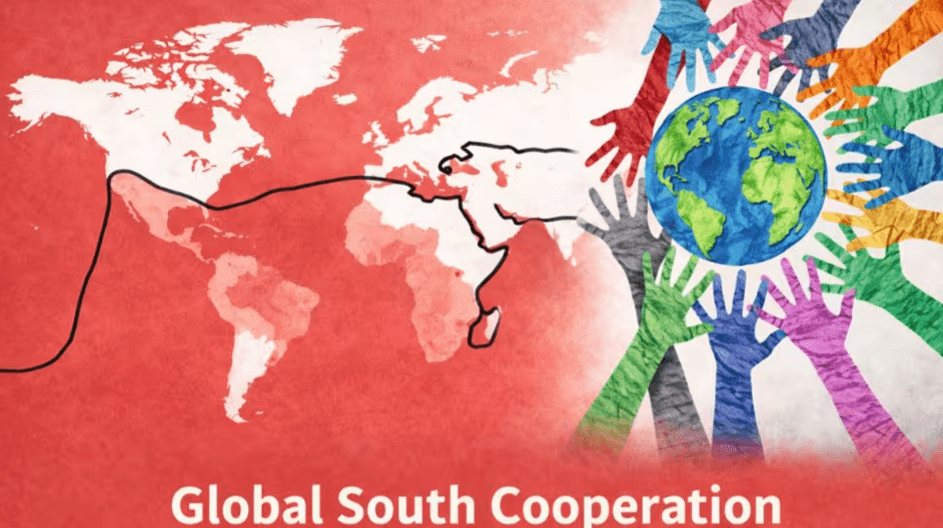
A wave rises from the Global South, reshaping how power moves across nations. With quiet strength, countries such as India, Brazil, and South Africa shift the balance in world affairs. Not through noise, but steady steps, Indonesia joins in shaping trade paths that were once set elsewhere. Climate talks now bend toward new voices, ones that were long on the edge and are now at the centre. The change that crept slowly could stand clear by 2026 – what began earlier is finally showing. When things shift, they do so quietly at first; then suddenly everyone sees.
Quiet changes crept into global economic discussions when nations from the Global South led the G20 from 2022 to 2025, which is now known as G20 Legacy. Because emerging economies stepped forward, development suddenly mattered more than before. Instead of tagging along at the end, it moved to the centre. What began as a small shift grew stronger each year.
Climate funding gained traction because voices that long went unheard began setting agendas. Debt relief rose to the top of priorities, driven forward by collective demands. Instead of waiting, many started building financial cooperation among themselves. Regional ties grew stronger, often outside traditional Western-led systems. Groups such as BRICS and other emerging market alliances found firmer ground amid these shifts. Therefore, power centres around the globe look different now. Not suddenly, but steadily, influence has begun spreading across more hands.
The G20 Influence and Rising Southern Voices
When poorer countries ran the G20, things shifted slowly but surely. Starting with Indonesia, then India, followed by Brazil, and later South Africa, each host left marks beyond their year in charge. These shifts didn’t shout for attention – they settled into routines instead. Attention shifted toward the real problems faced by growing nations, rather than just abstract goals. Power wasn’t rewritten overnight, yet priorities bent closer to where struggles hit hardest. After years of talk, action shifted towards the south, quietly reshaping the focus of global talks.
Still, significant issues, such as funding for climate efforts, frequently arose during those years. Not everyone could get online easily – this gap mattered too. Hunger remained a problem even when leaders discussed change. Some people gained a great deal, while others received little, which stirred tension. Paying back loans became harder than before for poorer nations. Research shows ties between Global South countries grew stronger then. Working together in global groups started to feel normal. Discussions at summits began to cover more than just growth numbers.
Now the African Union has a place in the G20, where it couldn’t sit before. Thanks to that change, people from less wealthy countries are heard more clearly. Their presence pulls global discussions closer to where most people actually live. Power is slowly bending southward, reshaping who gets heard in high-level talks.
Fresh after each meeting, the G20 Legacy shifts how world decisions are shaped – now, poorer countries help choose the path, not only follow where richer ones lead. This shift sticks, built into how talks unfold year after year.
Economic Power Moving to Developing Nations
Out of nowhere, poorer nations began shaping the world’s money flow, their piece of global income, deals, and capital climbing fast after 2000. Much of the jump in factory work and cash movement across borders ties back to this shift. Not just suppliers anymore, their businesses now feed international networks, shipping goods and pulling in funds like never before – reshaping how economies evolve.
Fresh energy around technology moves some areas in the Global South forward, even as online connections grow stronger across different places.
Younger crowds fill cities, job pools swell – these shifts feed momentum. Power on the global stage begins tilting, observers note, as talks around trade and shared rules start reflecting newer voices. Decisions once shaped far away now carry hints of distant capitals. Growth isn’t just happening – it’s reshaping who gets heard.
This economic shift hands the initiative to Global South countries. Now they shape climate talks instead of following agendas set elsewhere. Supply chains get rebuilt through their choices. Infrastructure grows under local priorities rather than distant blueprints. Cooperation among Southern nations rises through emerging market alliances without needing approval from above.
Emerging Market Alliances and Their Influence
Stronger leadership across the Global South grows as new economic groups take shape. Because of networks such as BRICS, countries rising in wealth can work alongside one another shaping deals on commerce, funding flows, power systems, innovation paths, and financial aid setups. Regional lending institutions, plus mutual support models, open doors once closed. Joint efforts spark fresh influence where little existed before. These ties build momentum through shared goals, not old hierarchies. Cooperation spreads beyond borders without copying past blueprints. Power shifts quietly when voices rise together. New patterns form beneath familiar surfaces.
Starting fresh often means stepping away from old systems. Instead of following traditional paths set by Western banks, some countries are building new ways forward. Take BRICS – their work spreads across Asia, Africa, and Latin America, focusing on practical tools like shared infrastructure cash. One shift? Using local money in trade deals rather than relying on dominant global currencies. These moves slowly reduce dependency, creating room for different ideas about growth. Progress shows up not in grand promises but in how funds move between governments choosing mutual support.
Poor countries find a stronger voice together within groups at global meetings such as the G20, climate talks, World Bank, and IMF. Because of unity, their demands carry further than when spoken alone. When grouped, influence grows, shaping decisions that might otherwise ignore them. Standing as one shifts balance, where separate voices often fade.
Built on shared interests, such deals shape power balances while opening new trade paths across continents. Still, their real impact shows in how nations rethink loyalty beyond old blocs.
Leadership struggles in the Global South
Even though the Global South gains more attention by 2026, getting ahead isn’t simple. Big power clashes on the world stage often pull poorer countries into divided camps, weakening shared efforts. Frozen by debt, many poorer nations find progress stuck. Wobbling economies drag down chances for advancement.
Yet poorer nations pushing ideas in forums like the G20 find movement tough – frozen structures, opposing stances drag efforts on cash and change. Though voices rise, motion stalls under the weight of old ways. Behind promises, little shifts. Decisions drown in delays. Progress limps where balance lacks. Moving forward, staying relevant may depend less on presence and more on deeper teamwork, along with updates to how these bodies operate.
Success over time hinges less on summits and more on how well institutions work together. Developing countries finding common ground shapes outcomes just as much as steady economies do. The rise of Global South influence grew alongside groups like the G20 and Emerging market alliances. Even so, real progress depends mostly on teamwork sticking around after the spotlight moves on.
Conclusion
By 2026, power moves toward the Global South – reshaping how nations interact. Rising economies gain ground because of fast expansion, fresh energy from younger citizens, advances in digital tools, and deeper bonds formed through international networks.
Because of repeated presidencies from these regions, the G20 Legacy carries lasting influence giving poorer countries a firmer voice while anchoring development into how global systems operate.
Together, partnerships among growing economies have boosted teamwork across poorer countries, letting them shape global financial rules through shared effort while trying new paths forward. This shift – mixing fresh power arrangements with old ones – created a planet where both rising and long-dominant markets now steer direction side by side.
Still, lasting teamwork, steady money systems, stricter rules, these things must grow for leadership from the Global South to last. The coming years may see that region step further ahead in world decisions – provided growing nations stick close and lift up shared global bodies.
Frequently Asked Questions
What is the G20 Legacy and why is it important in 2026?
The G20 Legacy represents the lasting impact of Global South leadership in shaping international discussions on development, climate action, economic cooperation, and global governance. In 2026, the G20 Legacy highlights how emerging economies have gained a stronger voice in global decision-making.
How has the G20 Legacy influenced Global South leadership?
The G20 Legacy has strengthened Global South leadership by bringing issues such as climate funding, debt relief, and sustainable development into major global discussions.
Why does the G20 Legacy matter for developing countries?
The G20 Legacy matters because it reflects how developing countries are moving from being participants to active contributors in shaping global economic policies.
How does the G20 Legacy affect global economic cooperation?
The G20 Legacy has encouraged stronger cooperation among emerging economies through trade partnerships, financial collaboration, and new economic alliances.
What role does the G20 Legacy play in future global governance?
The G20 Legacy may continue influencing future global governance by supporting more inclusive decision-making and giving developing nations greater representation
How is the G20 Legacy connected to emerging markets?
The G20 Legacy is closely connected with emerging markets because countries from the Global South have used platforms like the G20 to promote shared economic interests.
What challenges does the Global South face?
Major challenges include debt burdens, geopolitical tensions, climate change, unequal development, and limited access to finance.
How are emerging market alliances changing global politics?
Emerging market alliances are increasing cooperation among developing nations and creating alternative approaches to trade, finance, and global governance.
What is the future of Global South leadership?
The future depends on stronger partnerships, institutional reforms, sustainable economic growth, and continued collaboration among developing nations.
How has the G20 Legacy influenced global governance?
The G20 Legacy has strengthened the representation of developing countries, encouraged inclusive policymaking, and increased the influence of the Global South in international forums.
Citations & References
• Global South and global economic growth – World Economic Forum
https://www.weforum.org/stories/2024/06/global-south-leaders-amnc/
• Global South Presidencies and the G20 Development Agenda – Observer Research Foundation
https://www.orfonline.org/research/resurrecting-the-development-agenda-in-the-g20-examining-policy-continuity-across-global-south-presidencies
• The G20 and the Global South: Leadership and Agenda Setting – Carnegie Endowment for International Peace
https://carnegieendowment.org/emissary/2025/12/g20-trump-us-global-south-america-first-agenda
• Emerging Markets and Developing Economies – International Monetary Fund Report
https://www.imf.org/en/Publications/WEO
• Global Economic Prospects – Emerging Market Economies – World Bank
https://www.worldbank.org/en/publication/global-economic-prospects
TRANSFORM YOUR BRAND’S ENGAGEMENT WITH INDIA’S YOUTH
Drive massive brand engagement with 10 million+ college students across 3,000+ premier institutions, both online and offline. EvePaper is India’s leading youth marketing consultancy, connecting brands with the next generation of consumers through innovative, engagement-driven campaigns. Know More
Mail us at [email protected]
Connect Your Brand with Gen-Z
Unlock high-impact youth marketing strategies with EvePaper.
Book Strategy Call