
5 Ways the India-UK CETA Bolsters the Indian Economy
Published: July 9, 2026
Key Strategy Takeaways
- Tariff Elimination: Immediate zero-duty access for 99% of Indian exports, significantly boosting textiles, leather, and gems.
- Professional Mobility: Enhanced visa rules and qualification recognition for Indian IT and healthcare professionals.
- Capital Savings: The Double Contribution Convention saves Indian entities ₹4,000 crore yearly in social security costs.
- Tech Transfer: Lower duties on UK high-tech goods facilitate India's transition toward advanced manufacturing.
- FDI Growth: A transparent framework encourages British capital to flow into Indian infrastructure and green energy.
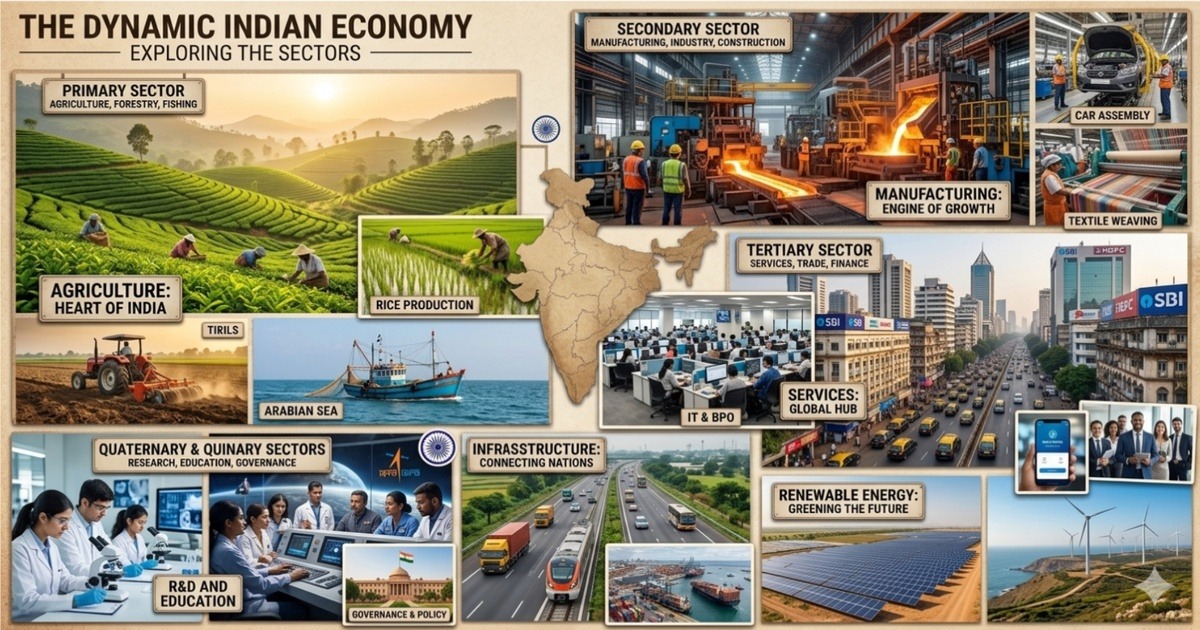
The signing of the India-UK Trade Agreement and Comprehensive Economic (CETA) on July 24, 2025, marked a definitive shift in India’s trade structure. It provides an extensive market access for goods and services to double bilateral trade to $100 billion by 2030. By integrating the world’s fifth and sixth-largest economies, the CETA offers a roadmap for high-velocity growth.
Here are five primary ways this agreement advantages the Indian economy.
- Revitalizing Labour-Intensive Manufacturing
Historically, Indian exporters in textiles, leather, and footwear faced a competitive disadvantage in the UK compared to nations with preferential access. The CETA levels the playing field by eliminating tariffs that ranged from 9% to 16%. This immediate duty-free access is expected to trigger a surge in domestic production, particularly in MSME (Micro, Small, and Medium Enterprise) clusters. By lowering the landing cost of Indian goods, the agreement directly supports job creation in sectors that employ millions of semi-skilled workers.
- Elevating the “Services Powerhouse” Status
While goods dominate headlines, services are India’s strategic forte. The CETA provides unprecedented market access in over 100 sub-sectors, including IT, healthcare, and R&D. Crucially, the agreement addresses “Mode 4” mobility—the movement of professionals. Simplified visa pathways and the Mutual Recognition Agreements (MRAs) for professional qualifications mean that Indian engineers, nurses, and accountants can practice in the UK with fewer regulatory hurdles, boosting remittance inflows and global brand equity.
- Financial Relief through the Double Contribution Convention
One of the most pragmatic wins for India is the resolution of dual social security contributions. Previously, Indian professionals on short-term UK assignments paid into the UK’s National Insurance without ever reaping the benefits. The CETA’s Double Contribution Convention exempts these workers, saving Indian firms and professionals approximately ₹4,000 crore annually. This liquidity remains within the Indian ecosystem, enhancing the capital reserves of our tech and consultancy giants.
- Integration into Global Value Chains (GVCs)
The UK is a global hub for high-tech manufacturing and green energy. By easing the import of high-quality British inputs and technology—such as specialized machinery and renewable energy components—at lower tariffs, Indian manufacturers can reduce their cost of production. This synergy allows Indian firms to move up the value chain, transitioning from basic assembly to high-tech manufacturing, thereby becoming more competitive in third-party markets like the EU and North America.
- Attracting Quality Foreign Direct Investment (FDI)
The CETA provides a stable, predictable legal framework for British investors. With the UK looking to diversify its supply chains away from single-country dependencies, India emerges as a primary “China Plus One” beneficiary. The agreement encourages UK investment in India’s infrastructure, digital economy, and education sectors. The presence of UK universities establishing campuses in India further aligns our human capital with global industrial standards, creating a self-sustaining cycle of investment and skill development.
Conclusion
The India-UK CETA is a milestone in “new-age” trade diplomacy. By removing fiscal barriers and harmonizing regulatory standards, it unlocks a corridor of mutual prosperity. For India, the advantages are multifaceted: it scales up traditional manufacturing, secures the future of the services export model, and integrates the domestic economy into the sophisticated global financial and technological grid. As implementation begins in April 2026, the pact stands as a testament to India’s rising agency in the global economic order.
Frequently Asked Questions
What is the India-UK trade agreement?
The India-UK trade agreement, officially known as the Comprehensive Economic and Trade Agreement (CETA), is a bilateral trade pact that strengthens economic cooperation between India and the United Kingdom. It reduces trade barriers, improves market access, encourages investment, and creates new opportunities for businesses and professionals in both countries.
How does the India-UK trade agreement benefit Indian exporters?
The India-UK trade agreement gives Indian exporters better access to the UK market by reducing or eliminating tariffs on many products. This helps businesses increase exports, improve profit margins, and compete more effectively with international suppliers.
Which industries gain the most from the India-UK CETA?
Industries such as textiles, leather, footwear, gems and jewellery, engineering goods, pharmaceuticals, information technology, healthcare, and professional services are expected to benefit the most from the India-UK CETA through improved market access and reduced trade barriers.
How does the India-UK CETA support MSMEs?
The agreement allows Micro, Small, and Medium Enterprises (MSMEs) to access the UK market with fewer trade barriers. Lower tariffs and increased demand can help these businesses expand production, increase exports, and generate more employment.
What role does the India-UK trade agreement play in job creation?
By boosting exports and encouraging manufacturing growth, the India-UK trade agreement creates opportunities for businesses to hire more workers. Labour-intensive sectors such as textiles, leather, and footwear are expected to see significant employment growth.
How does the agreement help Indian IT and healthcare professionals?
The agreement improves market access for service providers by simplifying professional mobility and supporting recognition of qualifications. This creates more opportunities for Indian IT experts, healthcare workers, engineers, and other professionals in the UK.
What is the Double Contribution Convention in the India-UK CETA?
The Double Contribution Convention prevents eligible Indian professionals on temporary UK assignments from paying duplicate social security contributions. This reduces financial costs for both employees and employers while improving overall business efficiency.
How does the India-UK trade agreement encourage foreign investment?
The India-UK trade agreement provides a stable and transparent business environment that encourages British companies to invest in India. Increased investment can support infrastructure, manufacturing, digital technology, renewable energy, and skill development.
Why is tariff elimination important under the India-UK CETA?
Tariff elimination lowers the cost of exporting goods to the UK, making Indian products more affordable and competitive. This helps businesses increase sales, expand internationally, and strengthen their position in global markets.
How does the India-UK CETA improve India’s global competitiveness?
The agreement allows Indian businesses to access advanced technology, reduce production costs, attract investment, and integrate into global value chains. These advantages improve India’s ability to compete in international markets.
Will consumers in India benefit from the India-UK CETA?
Yes. Consumers may benefit from improved product quality, increased availability of international goods, greater competition, and access to advanced technologies that support innovation and economic development.
How does the India-UK trade agreement strengthen economic relations between the two countries?
The India-UK trade agreement promotes stronger economic ties by increasing trade, encouraging investment, supporting business partnerships, and creating long-term opportunities for collaboration across multiple industries.
What are Global Value Chains, and why are they important for India?
Global Value Chains (GVCs) are international production networks where different stages of manufacturing take place across multiple countries. The India-UK CETA helps Indian businesses join these networks, improving efficiency, exports, and access to global markets.
When will the India-UK CETA begin implementation?
According to the agreement, implementation is expected to begin in April 2026 after both countries complete the required legal and parliamentary approval processes.
Why is the India-UK trade agreement considered a milestone for India’s economy?
The India-UK trade agreement is considered a milestone because it expands export opportunities, strengthens the services sector, attracts foreign investment, supports manufacturing growth, reduces business costs, and enhances India’s position in the global economy.
Citations & References
[1]“PIB Headquarters,” Pib.gov.in, 2017.
[2]IBEF, “India-UK Comprehensive Economic and Trade Agreement (CETA): A Historic Milestone,” India Brand Equity Foundation, 2025.
Transform Your Brand’s Engagement with India’s Youth
Drive massive brand engagement with 10 million+ college students across 3,000+ premier institutions, both online and offline. EvePaper is India’s leading youth marketing consultancy, connecting brands with the next generation of consumers through innovative, engagement-driven campaigns. Know More.
Mail us at [email protected]
Connect Your Brand with Gen-Z
Unlock high-impact youth marketing strategies with EvePaper.
Book Strategy Call