The Evolution of Student Rights in the Digital Age
Published: October 22, 2026
Key Strategy Takeaways
- ## Key Strategy Takeaways
- - Understand the legal principles established by *Tinker v. Des Moines* regarding student expression in schools.
- - Recognize that schools have more limited authority over off-campus speech, as discussed in *Mahanoy Area School District v. B.L.*
- - Understand student and parent rights under the Family Educational Rights and Privacy Act (FERPA).
- - Review school technology policies and understand how school-issued devices and accounts may be monitored.
- - Protect personal privacy by understanding the terms and policies of digital tools used for education.
- - Use school appeal procedures to raise concerns about disciplinary decisions or monitoring practices.
- - Balance student expression, online safety, and privacy responsibilities.
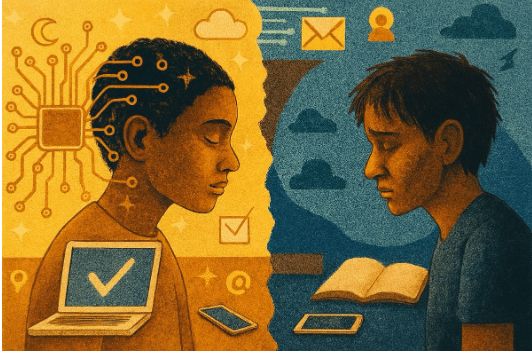
Student rights in the digital age involve important questions about freedom of speech, online privacy, school surveillance, and the limits of school authority beyond the classroom.
Key Strategy Takeaways
- ## Key Strategy Takeaways
- – Understand the legal principles established by *Tinker v. Des Moines* regarding student expression in schools.
- – Recognize that schools have more limited authority over off-campus speech, as discussed in *Mahanoy Area School District v. B.L.*
- – Understand student and parent rights under the Family Educational Rights and Privacy Act (FERPA).
- – Review school technology policies and understand how school-issued devices and accounts may be monitored.
- – Protect personal privacy by understanding the terms and policies of digital tools used for education.
- – Use school appeal procedures to raise concerns about disciplinary decisions or monitoring practices.
- – Balance student expression, online safety, and privacy responsibilities.
Table of Contents
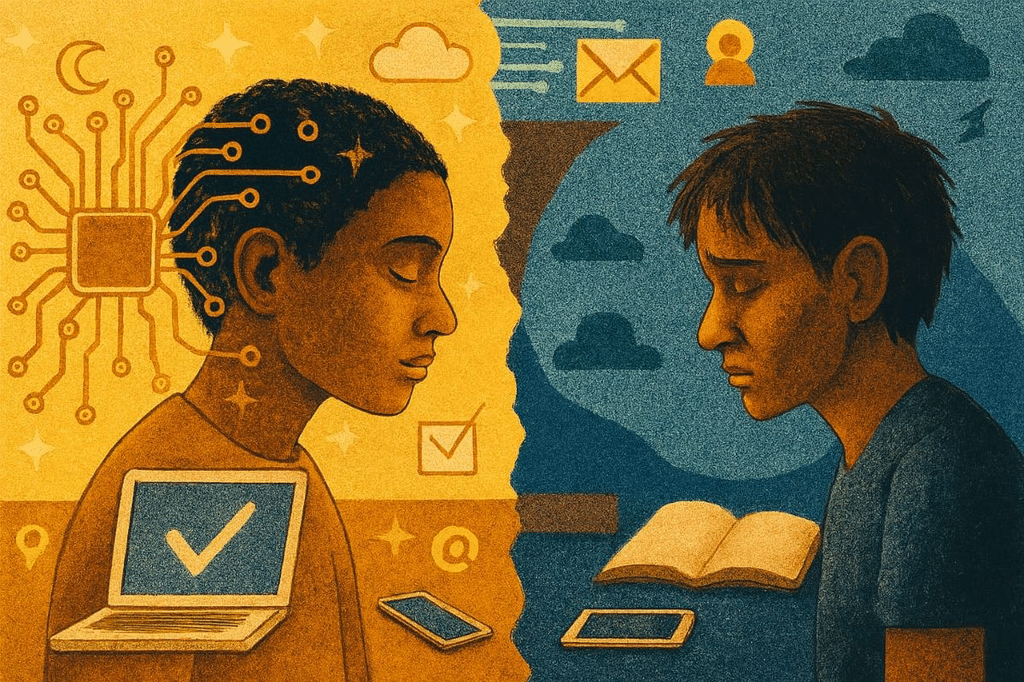
For decades, student rights were tied to physical school spaces such as classrooms, hallways, and administrators’ offices. Today, smartphones, school-issued laptops, and social media mean a student’s conduct can happen anywhere. That raises a hard question: how far does a school’s authority extend?
The starting point is Tinker v. Des Moines (1969). Students who wore black armbands to protest a war were disciplined, and the Supreme Court sided with them. It held that schools may limit student expression only when it would materially disrupt learning or school operations. Courts have relied on this standard ever since, though the internet has made applying it far more complicated.
The Court addressed off-campus speech in Mahanoy Area School District v. B.L. (2021). A student posted a profane Snapchat message about her school’s cheerleading program on a weekend, and the school removed her from the team. The Court ruled for the student, explaining that schools have a weaker interest in policing speech that happens away from campus, though that interest is not nonexistent. Schools may still step in for serious conduct like bullying or threats.
Privacy is the other major concern. Under the Family Educational Rights and Privacy Act (FERPA), passed in 1974, students or parents may review education records and must consent to most disclosures. But the law predates cloud storage, video conferencing, and online exam proctoring, so it fits poorly with today’s data collection. Schools can gather large amounts of information about grades, attendance, and online activity, and students are entitled to know what is collected and why.
Monitoring software adds further tension. Schools use it to flag threats and signs of self-harm, but it can intrude on privacy and chill expression, especially for students who have no personal device and must do everything on school equipment.
Understanding digital privacy rights is essential for students who use online learning platforms and school-issued devices.
Students can take practical steps to protect themselves:
Read the terms and policies for the tools they use.
Treat school accounts and devices as non-private.
Ask questions and use the school’s appeal process if they disagree with a decision.
Remember that anything posted online can spread widely and affect their reputation.
Students today have important protections, but those rights are not unlimited. Schools, families, and students should work together to balance learning, safety, privacy, and self-expression.
Frequently Asked Questions
1. What are student rights in the digital age?
Student rights in the digital age include protections related to freedom of expression, educational records, and privacy when students use digital platforms and school-issued technology.
2. What did Tinker v. Des Moines establish?
Tinker v. Des Moines (1969) established that public schools generally cannot restrict student expression unless it materially and substantially disrupts school operations or interferes with the rights of others.
3. Can schools discipline students for off-campus social media posts?
Schools may sometimes discipline students for off-campus posts, particularly where serious issues such as threats or bullying are involved. Their authority is more limited than it is over school-sponsored or on-campus activities, and the circumstances matter.
Citations & References
References
[1] Tinker v. Des Moines Indep. Cmty. Sch. Dist., 393 U.S. 503, 1969. [Online]. Available: https://www.law.cornell.edu/supremecourt/text/393/503
[2] Area Sch. Dist. v. B.L., 594 U.S. 180, 2021. [Online]. Available: https://www.law.cornell.edu/supremecourt/text/20-255
[3] Family Educational Rights and Privacy Act (FERPA), 20 U.S.C. 1232g; 34 C.F.R. Part 99. [Online]. Available: https://studentprivacy.ed.gov/ferpa
Connect Your Brand with Gen-Z
Unlock high-impact youth marketing strategies with EvePaper.
Book Strategy Call