
HOW TECHNOLOGY IS SHAPING GEN-Z STUDENT LIFE
Published: October 14, 2026
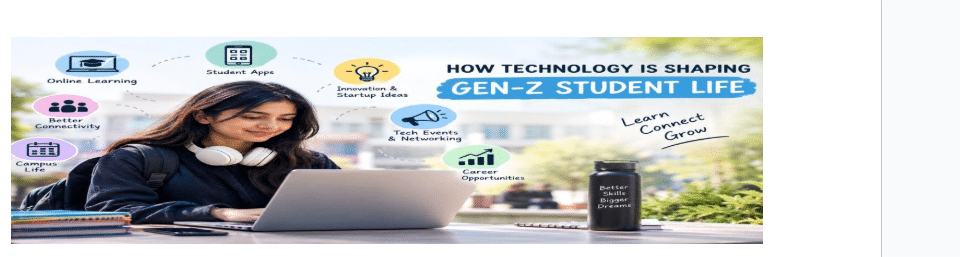
technology gen-z student
Image Source ChatGpt
Meta Description: Explore how technology gen-z student life evolves through college tech, university digital life, and student apps, creating opportunities for learning and growth.
Keywords: Technology Gen-Z student, college tech, university digital life, student apps, tech events, startup marketing.
Abstract
Technology is changing the way Gen-Z students experience higher education, from managing everyday academic tasks to preparing for careers and exploring business ideas. Online learning platforms, mobile applications, and artificial intelligence (AI) have made information more accessible and collaboration easier. However, these developments also bring challenges involving digital distractions, privacy, and unequal access to resources. This article examines how technology influences learning, campus participation, and student entrepreneurship, highlighting the importance of using digital tools thoughtfully rather than depending on them completely.
I. Introduction
For many students, university life now extends beyond lecture halls and libraries. Class updates arrive through mobile applications, assignments are submitted online, and professional opportunities are discovered through digital networks. Technology has become part of the routine through which students learn, communicate, and plan their futures.
Artificial intelligence has added another dimension to this experience. Students can use digital assistants to explore unfamiliar subjects, organise research, and practise new skills. At the same time, easier access to information makes critical thinking more important. As UNESCO’s research on educational technology explains, digital tools should serve meaningful educational goals instead of being adopted simply because they are available.
II. Research Analysis
A. College Tech and Changing Learning Habits
College tech has given students greater flexibility in accessing educational resources. Recorded lectures, online courses, and digital libraries allow learners to revisit complicated topics outside classroom hours. Students can also develop practical abilities through online tutorials that complement their formal education.
AI tools can help explain concepts or suggest starting points for research, but their responses are not always accurate. Students still need to check facts, compare reliable sources, and express ideas in their own words. Used responsibly, technology can encourage independent learning; used carelessly, it can weaken the effort required to understand a subject.
B. Student Apps and University Digital Life
Managing college responsibilities can be difficult when assignments, examinations, group projects, and extracurricular activities compete for attention. Student apps help bring these activities into a more organised routine. Depending on their features, they can provide reminders, share announcements, coordinate group work, and display upcoming campus events.
Digital platforms also make it easier to discover internships, scholarships, and professional communities. Nevertheless, constant notifications and social media use can interrupt concentration. UNESCO has highlighted concerns about the effects of social media on young people’s well-being and educational experiences. Students therefore need to develop healthy digital habits, including limiting unnecessary notifications and protecting their personal information.
C. Tech Events and Startup Marketing
Technology also gives students opportunities to move beyond academic assignments and experiment with practical ideas. Hackathons, innovation competitions, coding workshops, and startup exhibitions allow participants to present solutions, collaborate with peers, and receive feedback from industry professionals.
These experiences can introduce students to startup marketing. For example, a student team creating an application for sharing study resources could demonstrate its product during a campus event and invite attendees to try it. Their feedback could help the team identify useful features and areas for improvement.
The team could then reach potential users through student communities, campus ambassadors, and short social media videos. This approach combines product testing with audience engagement and market research. It also teaches students that successful marketing depends on understanding people’s needs, not simply generating online attention.
D. Challenges and Responsible Technology Use
Technology does not benefit every student equally. Expensive devices, unreliable internet connections, and limited digital skills can prevent some learners from accessing the same opportunities as their peers. Concerns about misinformation, academic integrity, and dependence on AI also require attention.
Universities can respond by improving access to digital resources and providing practical guidance on online safety, source verification, and responsible AI use. Students should balance digital learning with discussion, hands-on experience, and independent problem-solving.
III. Conclusion
Technology is reshaping Gen-Z student life by changing how young people learn, organise their responsibilities, and prepare for employment. College tech and student apps support everyday academic activities, while tech events provide opportunities to explore innovation and startup marketing. However, the benefits depend on responsible use, equal access, and the ability to think independently. Technology is most valuable when it strengthens human skills and helps students turn knowledge into meaningful action.
IV. Key Takeaways
- Flexible learning: Digital resources help students study beyond scheduled classroom hours.
- Organised campus life: Student apps support planning, communication, and collaboration.
- Career preparation: Online tools can help students develop practical and professional skills.
- Entrepreneurial experience: Tech events provide opportunities to test ideas and understand potential customers.
- Responsible adoption: Privacy, independent thinking, and balanced screen time remain essential.
References
[1] UNESCO, Global Education Monitoring Report 2023: Technology in Education—A Tool on Whose Terms? Paris, France: UNESCO, 2023. [Online]. Available: https://www.unesco.org/gem-report/en/publication/technology
[2] UNESCO, “New UNESCO report warns social media affects girls’ well-being, learning and career choices,” Apr. 25, 2024. [Online]. Available: https://www.unesco.org/gem-report/en/articles/new-unesco-report-warns-social-media-affects-girls-well-being-learning-and-career-choices
Technology Gen-Z Student: 20 Key Takeaways, 20 FAQs, and One Core Marketing Question
Technology is transforming Gen-Z student life by changing how students learn, communicate, manage college responsibilities, discover career opportunities, and explore entrepreneurship. From AI-powered learning tools and student apps to tech events and startup marketing, digital innovation offers new opportunities while introducing challenges involving privacy, screen time, misinformation, and equal access.
20 Key Takeaways on Technology Gen-Z Student Life
1. Technology Makes Learning More Flexible: Online courses, recorded lectures, and digital libraries allow students to access educational resources beyond classroom hours.
2. AI Supports Personalized Learning: AI tools can help explain difficult concepts, generate practice questions, and organize revision schedules when used responsibly.
3. College Tech Improves Productivity: Digital calendars, task managers, and collaboration platforms help students organize assignments, deadlines, and group projects.
4. Student Apps Simplify Campus Life: Campus applications can provide announcements, event information, academic reminders, and access to university services.
5. Digital Libraries Expand Access to Knowledge: Online academic resources allow students to explore research papers, books, and educational materials from different locations.
6. Technology Develops Career-Ready Skills: Students can learn coding, graphic design, digital marketing, data analysis, and other practical skills through digital platforms.
7. Online Networking Creates Career Opportunities: Professional networks and digital communities help students connect with alumni, mentors, recruiters, and potential collaborators.
8. Tech Events Encourage Innovation: Hackathons, coding competitions, startup exhibitions, and innovation workshops give students opportunities to test ideas and solve practical problems.
9. Startup Marketing Helps Students Reach Audiences: Student entrepreneurs can use social media, campus ambassadors, and digital campaigns to introduce products and collect customer feedback.
10. Digital Collaboration Strengthens Teamwork: Shared documents, project management tools, and online meetings help student teams coordinate responsibilities and exchange ideas.
11. Technology Supports Entrepreneurship: Students can use digital tools to research markets, develop prototypes, test business ideas, and understand customer needs.
12. Digital Literacy Is an Essential Skill: Students need to evaluate online information, identify misinformation, protect personal data, and understand the limitations of digital tools.
13. Responsible AI Use Protects Academic Integrity: Students should verify AI-generated information, acknowledge assistance where required, and develop their own understanding rather than simply copying responses.
14. Digital Distractions Can Affect Concentration: Frequent notifications and excessive social media use may interrupt study sessions and make sustained attention more difficult.
15. Online Safety and Privacy Matter: Strong passwords, privacy settings, careful sharing, and awareness of suspicious links help students protect their digital identities.
16. Technology Can Expand Learning Opportunities: Virtual workshops, remote internships, and online professional communities can introduce students to experiences beyond their campuses.
17. Digital Access Is Not Equal for Everyone: Differences in device availability, internet connectivity, affordability, and digital skills can create barriers to participation.
18. Technology Should Complement Human Interaction: Classroom discussions, practical activities, mentoring, and face-to-face relationships remain important parts of a meaningful education.
19. Digital Portfolios Help Showcase Student Work: Websites, online portfolios, and professional profiles allow students to present projects, achievements, and practical skills to potential employers.
20. Balanced Technology Use Produces Greater Value: Students benefit most when digital tools support learning, creativity, collaboration, and career development without replacing independent thinking or personal well-being.
One Core Marketing Question
Writing
How can colleges, educational technology companies, and student-focused brands leverage technology to improve Gen-Z student life through AI-powered learning, useful student apps, engaging tech events, and effective startup marketing while maintaining digital safety, accessibility, and student well-being?
20 FAQs About Technology Gen-Z Student Life
1. What does technology Gen-Z student life mean?
Technology Gen-Z student life refers to the ways digital tools influence students’ learning, communication, campus participation, career preparation, and personal development. It includes AI applications, online learning platforms, student apps, digital communities, and technology-driven opportunities.
2. How is technology changing Gen-Z student life?
Technology allows students to access educational resources, collaborate online, manage schedules, develop practical skills, and discover career opportunities. It also requires them to manage digital distractions, privacy risks, misinformation, and responsible technology use.
3. What are the most useful technologies for college students?
Useful technologies include AI study assistants, digital calendars, note-taking applications, learning management systems, online libraries, video conferencing platforms, and project management tools. The best choices depend on students’ academic requirements and individual needs.
4. How can AI help Gen-Z students study more effectively?
AI can explain complex topics, generate practice questions, summarize learning materials, and suggest revision strategies. Students should verify information, consult reliable sources, and follow their institution’s academic integrity policies.
5. What is college tech, and why is it important?
College tech refers to the digital tools and systems used to support teaching, learning, administration, communication, and campus activities. It can improve access to information, simplify academic tasks, and create opportunities for collaboration.
6. How do student apps improve university digital life?
Student apps can help learners track assignments, receive campus announcements, discover events, organize schedules, and communicate with classmates. Their usefulness depends on their design, reliability, accessibility, and privacy practices.
7. Can technology improve academic performance?
Technology can support academic performance by providing flexible learning resources, practice opportunities, feedback, and better organization. However, its effectiveness depends on how students use it alongside independent study, critical thinking, and classroom participation.
8. How can students use technology without becoming distracted?
Students can silence unnecessary notifications, schedule specific times for social media, use focus modes, and keep unrelated applications closed during study sessions. Regular breaks can also help maintain concentration.
9. What role does AI play in digital learning?
AI can support personalized explanations, interactive practice, language assistance, and research exploration. It is not always accurate or unbiased, so students should independently evaluate its responses and avoid treating generated content as automatically reliable.
10. How can technology help students prepare for careers?
Students can use online courses, professional networking platforms, virtual career fairs, digital portfolios, and remote internship opportunities to develop skills and connect with employers. Practical projects help demonstrate what they have learned.
11. What are tech events, and how do they benefit students?
Tech events include hackathons, coding competitions, innovation challenges, startup showcases, and technology workshops. They allow students to collaborate, develop prototypes, solve problems, receive feedback, and explore professional interests.
12. How can students use startup marketing to promote their ideas?
Students can research potential customers, create a simple product demonstration, test their ideas with campus communities, publish relevant content, and gather feedback. Successful startup marketing focuses on solving real problems rather than simply generating online attention.
13. How can digital tools help student entrepreneurs?
Digital tools can support market research, budgeting, website development, product design, customer communication, and promotional campaigns. Affordable tools can help students test ideas before investing significant resources in a business.
14. What are the disadvantages of technology in student life?
Potential disadvantages include digital distractions, privacy concerns, misinformation, overdependence on AI, unequal access to devices, and reduced opportunities for face-to-face interaction. Thoughtful use and digital literacy can help address these concerns.
15. How can students protect their privacy online?
Students should use strong, unique passwords, enable multifactor authentication where available, review application permissions, limit public sharing of personal information, and avoid suspicious links. They should also check the privacy policies of AI and educational platforms before uploading sensitive information.
16. Does technology make traditional classroom learning unnecessary?
No. Technology can complement classroom learning by expanding access to resources and supporting flexible study. Teacher guidance, discussion, hands-on practice, feedback, and interaction with classmates remain valuable components of education.
17. How can students overcome the digital divide?
Students can explore university computer labs, library resources, device-lending programs, affordable connectivity options, and downloadable learning materials. Educational institutions can help by providing accessible infrastructure and digital skills training.
18. How can students use social media for professional growth?
Students can share relevant projects, participate in professional discussions, follow industry developments, connect with mentors, and discover internships. Maintaining privacy and presenting accurate information are important for building a credible online presence.
19. What digital skills should Gen-Z students develop?
Useful digital skills include online research, information verification, cybersecurity awareness, AI literacy, digital communication, data analysis, collaboration, and the use of tools relevant to their chosen careers.
20. What is the future of technology in Gen-Z student life?
Technology is likely to continue influencing learning, campus services, career exploration, collaboration, and entrepreneurship. Its long-term value will depend on responsible implementation, equitable access, effective teaching, and the ability to strengthen rather than replace human judgment.
Connect Your Brand with Gen-Z
Unlock high-impact youth marketing strategies with EvePaper.
Book Strategy Call