
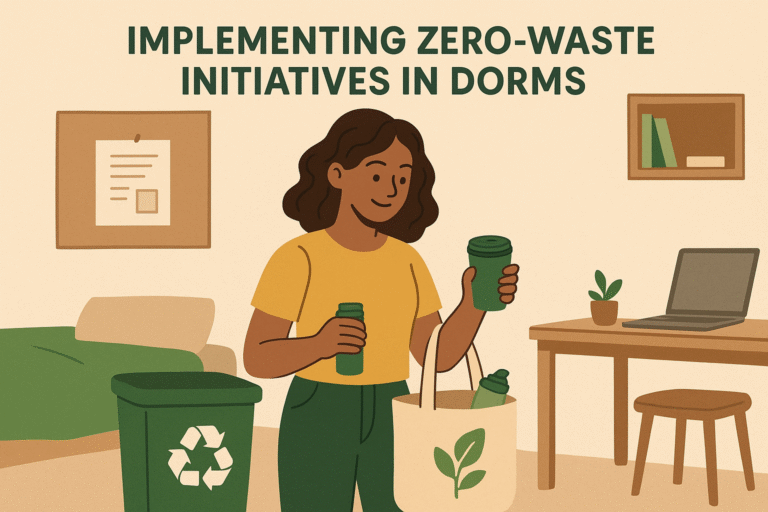
In an era where sustainability is not an option anymore, colleges and universities around the world are leading the way in bringing sustainable living to a reality. Perhaps one of the strongest movements that is currently building up may be the zero waste dorm life movement—a viable, bottom-up solution to minimizing waste, preserving resources, and living healthier. Ultimately, this campaign is founded upon student environmental stewardship, illustrating how minute, individual actions can produce a monumental environmental impact.
Why Do Zero-Waste Dorms Matter?
Dorms are messy hubs of student existence—but waste factories, too, from disposable coffee cups to packaging on late-night takeout. The zero-waste dorm program addresses this by recruiting residents to rethink, reduce, and reuse instead of contributing to the landfill.
The initiative is not about sorting garbage—about developing eco responsibility among students. In doing so, the students are educated on how their daily lives affect the environment and acquire skills that they will be in a position to utilize once they graduate.
Principles of an Effective Zero Waste Dorm Program
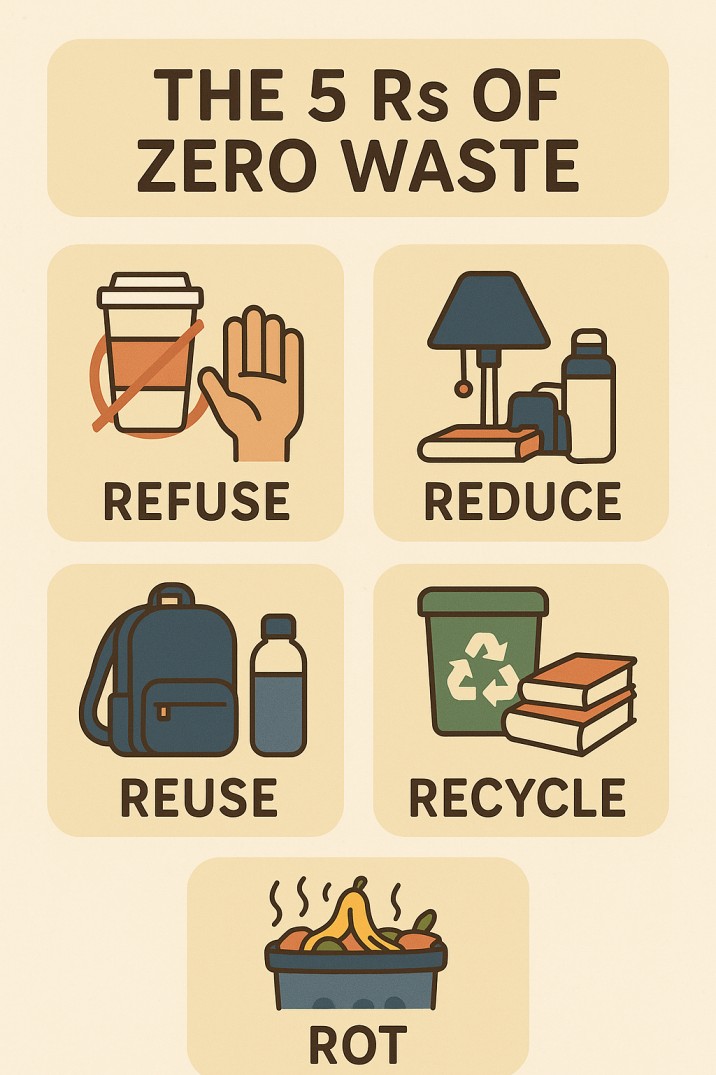
An effective zero-waste dorm program is aimed at five main principles:
- Refuse – Refrain from single-use plastic, gratuitous free stuff, and excessive wrapping.
- Reduce – Less is more: bring less to your dorm by bringing only what you actually need.
- Reuse – Purchase reusable mugs, water bottles, and storage containers.
- Recycle – Learn and act on recycling procedures on your campus.
- Rot – Compost food waste to direct organic garbage to the dumpster rather than landfills.
By doing these steps, it’s not merely about being in compliance—it’s about becoming an eco responsibility role model student.
Practical Actions that Students Can Follow: Zero Waste in Dorms
A zero-waste dorm program is easier than you can ever imagine. Here are practical actions:
- Create a Waste Station – Create recycling, compost, and landfill waste bins in every public area of every dorm.
- Share and Swap – Do clothes swaps, book swaps, and furniture give-aways instead of buying new ones.
- Go Digital – Utilize online textbooks, notes, and assignments to minimize the use of paper.
- Bulk Purchase – Purchase snacks, dry food, and toiletries in bulk to minimize packaging.
- Reusable Basics – Equipped with tote bags, metal straws, and reusable containers.
Once these habits are adopted by the students, student eco responsibility is no longer a chore but a way of life.
The Role of Peer Influence
Campus culture may be the most powerful impetus for a zero-waste dorm initiative. Students will embrace environmentally responsible practices when they observe others doing so. Peer workshops, green challenges, and regular waste audits can be used to sustain momentum and create student eco responsibility as a common value.
Overcoming Barriers to Dorm Sustainability
Transitioning to a zero-waste dorm program is not without issues. Composting facilities, novelty, and convenience culture are obstacles. All these can be addressed by:
- Education Campaigns – Organizing sustainability seminars and installing easy-to-grasp waste-sorting signs in public spaces.
- Staff Collaboration – Involving dorm managers and custodians to expand recycling mechanisms.
- Incentives – Offering incentives to students for attaining waste reduction goals makes the entire process enjoyable.
With commitment, these solutions reinforce the connection between student eco-responsibility and action in life.
Long-Term Impact of Zero-Waste Dorm Life
The zero waste dorm program not only sanitizes a campus—it creates lasting habits. Students who live in environmentally conscious conditions carry that forward into the neighbourhoods, workplaces, and homes of their future. This cultural shift ensures that student eco responsibility becomes the basis of sustainable living many years down the road.

Final Thoughts: Every Student Counts
Zero waste dorm initiative is not only a sustainability initiative—it’s a call to action to every single student resident to reconsider their impact on the planet. Through collective dedication, creative problem-solving, and a granite-like sense of student environmental responsibility, dorms can be outstanding examples of environmental stewardship.
The truth is simple: if every student can change just one thing today, tomorrow’s collective impact has the power to revolutionize. Let’s therefore transform trash into triumph—a residence hall room at a time.
Reference
[1] K. Ebrahimi, “Zero-waste planning at higher education institutions: A Case Study of Western Kentucky University,” M.S. thesis, Western Kentucky Univ., Bowling Green, KY, USA, 2015. [Online]. Available: https://digitalcommons.wku.edu/cgi/viewcontent.cgi?article=2519&context=theses
FAQs on Zero Waste Dorm Life:
1. What does Zero Waste Dorm Life mean for students?
Zero Waste Dorm Life is a lifestyle approach where students minimize waste in their daily dorm routines. It goes beyond just recycling; it emphasizes refusing unnecessary items, reducing consumption, reusing durable products, recycling properly, and composting food waste. For students, this means making conscious choices—like carrying reusable mugs, using digital notes instead of paper, and avoiding single-use plastics. The goal of Zero Waste Dorm Life is not perfection but progress, where each student’s actions contribute to a sustainable campus culture.
2. Why is Zero Waste Dorm Life important for college campuses?
College dorms generate massive amounts of waste daily—from takeout packaging to disposable water bottles. Adopting Zero Waste Dorm Life helps cut down this waste while teaching students valuable lifelong eco-friendly habits. It also reduces the carbon footprint of universities, saves money on waste management, and creates a cleaner living space for everyone. More importantly, students practicing Zero Waste Dorm Life influence peers to live sustainably, turning eco-responsibility into a shared campus value.
3. What are the main principles of Zero Waste Dorm Life?
Zero Waste Dorm Life follows the “5Rs” of sustainability:
Refuse single-use plastics and unnecessary freebies.
Reduce clutter by only buying what is necessary.
Reuse with durable water bottles, tote bags, and containers.
Recycle properly according to campus guidelines.
Rot by composting organic food waste.
When students embrace these five principles, Zero Waste Dorm Life becomes second nature rather than a difficult adjustment.
4. How can students set up a Zero Waste Dorm Life station?
A Zero Waste Dorm Life station is simply a system of bins for recycling, composting, and landfill waste. Students can coordinate with dorm managers to place color-coded bins in lounges, kitchens, and hallways. Labeling bins with clear instructions is essential to prevent contamination. Adding reminders or posters about Zero Waste Dorm Life near the station encourages participation and helps everyone in the dorm stay consistent with sustainable habits.
5. What are practical Zero Waste Dorm Life tips for everyday living?
Some quick daily practices include:
Using reusable cutlery, cups, and straws.
Buying snacks and toiletries in bulk to reduce packaging.
Organizing swap events for clothes, books, or dorm décor.
Opting for digital textbooks and notes.
Carrying tote bags for shopping.
By making these choices, Zero Waste Dorm Life integrates smoothly into a student’s lifestyle and reduces long-term costs.
6. Can Zero Waste Dorm Life save students money?
Yes! Zero Waste Dorm Life is both eco-friendly and budget-friendly. Buying reusable items like water bottles or coffee mugs may have an upfront cost, but they save money over time compared to disposable versions. Bulk purchases of food, shared dorm items, and swaps also cut costs significantly. By practicing Zero Waste Dorm Life, students not only help the planet but also manage their limited budgets more effectively.
7. How does Zero Waste Dorm Life affect campus culture?
When a few students adopt Zero Waste Dorm Life, others notice and often join in. Peer influence plays a huge role in spreading sustainable habits. Workshops, green dorm challenges, and community events strengthen the culture of sustainability. Over time, Zero Waste Dorm Life transforms from an individual effort into a shared dorm identity, where students feel proud of contributing to eco-friendly living.
8. What barriers exist in Zero Waste Dorm Life?
Challenges include lack of composting facilities, convenience-driven lifestyles, and limited space in dorm rooms. Some students may also feel Zero Waste Dorm Life is “too much effort.” However, education campaigns, staff support, and peer encouragement can help overcome these obstacles. Universities that provide incentives for waste reduction make Zero Waste Dorm Life easier and more enjoyable for students.
9. How can universities support Zero Waste Dorm Life?
Universities play a crucial role by providing infrastructure like recycling bins, composting services, and educational programs. Training custodial staff, hosting sustainability fairs, and rewarding eco-friendly dorms are effective strategies. When universities invest in these resources, students find it easier to practice Zero Waste Dorm Life and feel supported in their efforts.
10. Can Zero Waste Dorm Life reduce stress for students?
Surprisingly, yes! Zero Waste Dorm Life encourages a minimalist approach, where students bring only what they truly need and avoid clutter. A clean, organized space leads to better mental focus and reduced stress. Additionally, eco-conscious living gives students a sense of purpose, making them feel like their small actions have a bigger positive impact on the world.
11. What role does technology play in Zero Waste Dorm Life?
Technology supports Zero Waste Dorm Life through digital textbooks, note-taking apps, and online sharing groups for used items. Instead of printing assignments, students can submit work electronically. Dorm communities can even create group chats for sharing resources like clothes or appliances. This reduces paper waste and encourages collaboration within the framework of Zero Waste Dorm Life.
12. How does Zero Waste Dorm Life influence students after graduation?
Habits developed in dorms extend into adult life. Graduates who practiced Zero Waste Dorm Life are more likely to carry reusable items, avoid single-use plastics, and advocate for sustainability in their workplaces and communities. This ripple effect means the impact of Zero Waste Dorm Life goes beyond campus walls, creating environmentally responsible citizens for life.
13. What are eco-friendly dorm essentials for Zero Waste Dorm Life?
Students can equip themselves with:
Stainless steel water bottles
Bamboo cutlery sets
Cloth shopping bags
Glass food containers
Compost bins (if allowed)
These essentials form the backbone of Zero Waste Dorm Life and help students stay consistent with eco-friendly choices.
14. Is Zero Waste Dorm Life realistic for all students?
Absolutely. While not every student can be 100% zero waste, small changes are realistic for everyone. Even adopting one or two practices—like carrying a reusable bottle or reducing packaging—makes a difference. The idea of Zero Waste Dorm Life is progress over perfection, where collective effort outweighs individual shortcomings.
15. How can students inspire friends to adopt Zero Waste Dorm Life?
The best way is by leading through example. Students who consistently follow Zero Waste Dorm Life inspire others through actions like swapping clothes, avoiding disposables, or composting food. Hosting eco-friendly events, sharing success stories, and encouraging group participation further spreads awareness. Over time, Zero Waste Dorm Life becomes a dorm-wide movement rather than a personal choice.
Penned by Nitya Gosain
Edited by Shashank Khandelwal, Research Analyst
For any feedback mail us at [email protected]
Transform Your Brand's Engagement with India's Youth
Drive massive brand engagement with 10 million+ college students across 3,000+ premier institutions, both online and offline. EvePaper is India’s leading youth marketing consultancy, connecting brands with the next generation of consumers through innovative, engagement-driven campaigns. Know More.
Mail us at [email protected]