
Sustainability Marketing: 5 Powerful Insights for Youth Campaigns
Published: October 12, 2026
Key Strategy Takeaways
- Make Sustainability a Core Brand Value: Integrate environmental responsibility into business practices rather than treating it as a temporary promotional strategy.
- Prioritise Authenticity and Transparency: Support sustainability claims with credible evidence, measurable outcomes, and clear communication to build trust among Gen Z consumers.
- Avoid Greenwashing: Replace vague terms such as “eco-friendly” with specific explanations of sustainable materials, responsible sourcing, and waste-reduction initiatives.
- Bridge the Sustainability Say-Do Gap: Combine environmental benefits with affordability, convenience, durability, and product performance to encourage sustainable purchasing decisions.
- Use Social Media to Demonstrate Impact: Leverage short-form videos, creator collaborations, and behind-the-scenes content to show genuine sustainability practices.
- Align Youth Campaigns With Consumer Values: Develop relatable campaigns that connect environmental responsibility with the interests, concerns, and expectations of younger audiences.
- Measure Real Campaign Outcomes: Evaluate engagement, conversions, customer trust, repeat purchases, and participation in sustainability initiatives rather than relying solely on reach or impressions.
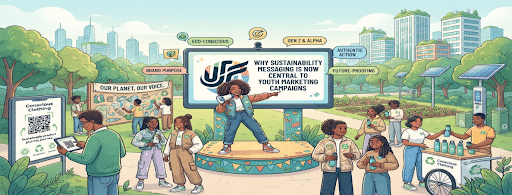
Table of Contents
Key Strategy Takeaways
- Make Sustainability a Core Brand Value: Integrate environmental responsibility into business practices rather than treating it as a temporary promotional strategy.
- Prioritise Authenticity and Transparency: Support sustainability claims with credible evidence, measurable outcomes, and clear communication to build trust among Gen Z consumers.
- Avoid Greenwashing: Replace vague terms such as “eco-friendly” with specific explanations of sustainable materials, responsible sourcing, and waste-reduction initiatives.
- Bridge the Sustainability Say-Do Gap: Combine environmental benefits with affordability, convenience, durability, and product performance to encourage sustainable purchasing decisions.
- Use Social Media to Demonstrate Impact: Leverage short-form videos, creator collaborations, and behind-the-scenes content to show genuine sustainability practices.
- Align Youth Campaigns With Consumer Values: Develop relatable campaigns that connect environmental responsibility with the interests, concerns, and expectations of younger audiences.
- Measure Real Campaign Outcomes: Evaluate engagement, conversions, customer trust, repeat purchases, and participation in sustainability initiatives rather than relying solely on reach or impressions.
Abstract
Sustainability has moved from being a supporting theme in advertising to becoming an important part of youth-oriented brand communication. Young consumers increasingly examine not only what a brand sells but also how it operates, what values it represents, and whether its environmental claims appear credible.
In India, this shift is particularly visible among Generation Z, whose purchasing decisions are influenced by authenticity, social values, and environmental awareness. Recent surveys suggest that eco-conscious messaging can influence Gen Z consumers’ purchase decisions.
This article examines why sustainability marketing has become central to youth campaigns and how brands can communicate environmental responsibility without relying on superficial claims.
I. Introduction
Marketing to young consumers has changed significantly with the growth of social media, creator culture, and digitally informed purchasing. Generation Z can quickly compare brands, investigate product claims, and publicly discuss their experiences. As a result, traditional advertising messages based only on price, celebrity endorsements, or product features may not be sufficient.
Sustainability has emerged as one of the issues influencing this generation’s relationship with brands. The 2025 ET-Snapchat Gen Z Index reported that young Indians show strong interest in environmentally responsible brands and products. The research also highlighted the importance of authenticity and shared values in building connections with Gen Z.
These developments make sustainability marketing increasingly relevant to youth campaigns, particularly when brands can demonstrate genuine environmental responsibility rather than relying on promotional claims.
II. Research Analysis

A. Sustainability Is Becoming a Brand Expectation
Sustainability marketing involves communicating environmental and social responsibility as part of a brand’s broader value proposition. For younger consumers, sustainability can influence perceptions of trust, relevance, and brand identity.
An Economic Times report based on the second edition of the ET-Snapchat Gen Z Index found that 86% of surveyed young Indians aged 18-28 valued brands that actively demonstrate their environmental impact, compared with a reported average of 79%. This suggests that sustainability is becoming an important consideration in brand perceptions rather than merely an additional promotional message.
However, brands need to distinguish between communicating sustainability and simply using sustainability-related language. Consumers can question claims that lack evidence, measurable outcomes, or transparency.
B. Authenticity Matters More Than Promotional Language
Youth campaigns increasingly depend on credibility. A sustainability campaign saying that a product is “green” or “eco-friendly” without explaining how it achieves that claim may create scepticism.
Research reported by ETBrandEquity in 2025 found that Indian Gen Z places considerable importance on authenticity, openness, and social and environmental values [2]. This creates an opportunity for brands to explain tangible actions such as recycled materials, responsible sourcing, reduced packaging, repair programs, or product take-back schemes.
For sustainability marketing to resonate with Gen Z, brands should ensure that their environmental messaging reflects actual practices and can be supported by credible evidence.
C. The Sustainability “Say-Do” Gap
Interest in sustainability does not automatically translate into purchasing behavior. Boston Consulting Group findings reported by ETBrandEquity indicated that India has a substantial gap between consumers’ sustainability concerns and their actual purchasing actions [3].
The finding is important for marketers because young consumers may support sustainability while remaining price-sensitive. Therefore, successful youth campaigns should connect environmental benefits with practical consumer value such as durability, affordability, convenience, or better product performance.
This distinction is important when interpreting surveys about Gen Z purchasing preferences: expressing concern about environmental responsibility does not necessarily mean that every consumer will choose or pay more for a sustainable product.
D. Social Media Makes Sustainability More Visible
Social platforms have changed the way sustainability messages spread. Short-form videos, creator collaborations, behind-the-scenes content, and customer-generated content can demonstrate how a brand actually implements sustainable practices.For youth campaigns, showing the process can therefore be more persuasive than simply making a claim. A fashion company, for example, can demonstrate material sourcing, manufacturing practices, packaging reduction, and garment-recycling initiatives rather than communicating sustainability through a single slogan.
Brands can also strengthen these efforts through community marketing, encouraging young consumers to share experiences, participate in conversations, and build connections around shared environmental values.
This approach allows sustainability marketing to connect environmental responsibility with brand authenticity and gives young consumers more information with which to evaluate a brand’s claims.
III. Conclusion
Sustainability messaging has become increasingly important in youth marketing because younger consumers often connect purchasing with personal values and brand identity. Nevertheless, sustainability communication works best when it is supported by visible actions, credible evidence, and genuine consumer value. The future of youth-focused sustainability marketing is therefore likely to depend less on environmental terminology and more on transparency, measurable action, affordability, and authentic storytelling.
IV. Key Takeaways
Sustainability is increasingly relevant to Gen Z brand consideration.
Young consumers expect brands to demonstrate rather than merely claim environmental responsibility.
Authenticity and transparency are essential for sustainability marketing.
Sustainability campaigns should provide consumer value alongside environmental benefits.
Social media can make sustainable practices more visible and easier for consumers to evaluate.
Frequently Asked Questions
1. What is sustainability marketing?
Sustainability marketing promotes products and brands by communicating genuine environmental and social responsibility through transparent, evidence-based practices.
2. Why is sustainability marketing important for youth campaigns?
Sustainability marketing helps youth campaigns connect with environmentally conscious consumers by highlighting authentic values, responsible practices, and meaningful brand actions.
3. How does sustainability marketing influence Gen Z consumers?
Sustainability marketing can influence Gen Z purchasing decisions by building trust, demonstrating environmental responsibility, and aligning with consumers’ personal values.
4. What do Gen Z consumers expect from sustainable brands?
Gen Z consumers increasingly expect transparency, credible environmental claims, ethical practices, and measurable sustainability efforts rather than promotional promises.
5. How can brands create effective sustainability campaigns for young consumers?
Brands can create effective campaigns by showcasing real environmental initiatives, using relatable storytelling, collaborating with credible creators, and providing evidence.
6. What is greenwashing in sustainability marketing?
Greenwashing occurs when brands exaggerate or misrepresent their environmental benefits without sufficient evidence to support their sustainability claims.
7. How can businesses avoid greenwashing in youth campaigns?
Businesses can avoid greenwashing by verifying environmental claims, sharing measurable results, disclosing limitations, and communicating sustainability efforts transparently.
8. What role does social media play in sustainability marketing?
Social media helps brands demonstrate sustainable practices through short videos, creator partnerships, behind-the-scenes content, and customer experience.
9. Is sustainability marketing effective in India?
Sustainability marketing can resonate with Indian consumers, particularly younger audiences, when environmental responsibility is combined with affordability, convenience, and credible evidence.
10. How can brands measure the success of sustainability marketing campaigns?
Brands can measure success through engagement, conversion rates, customer trust, repeat purchases, campaign reach, and participation in sustainability initiatives.
Citations & References
ET Online, “Planet over profit: Gen Z’s rulebook for brands,” The Economic Times, Aug. 2025.
ETBrandEquity, “The $2 trillion prize: India’s GenZ demands authenticity, sustainability to seal the deal,” Sep. 25, 2025.
ETBrandEquity, “India leads in sustainability concern, but lags in action: BCG,” Apr. 7, 2025.
J. Fromm, “Gen Z Cares About Sustainability: Make Your Brand Actions Tangible,” Forbes, Jan. 21, 2025.
Connect Your Brand with Gen-Z
Unlock high-impact youth marketing strategies with EvePaper.
Book Strategy Call